
Iran said Friday it had agreed with Oman on a mechanism to manage navigation through the Strait of Hormuz, while warning that it would not accept any US role in administering the strategic waterway.
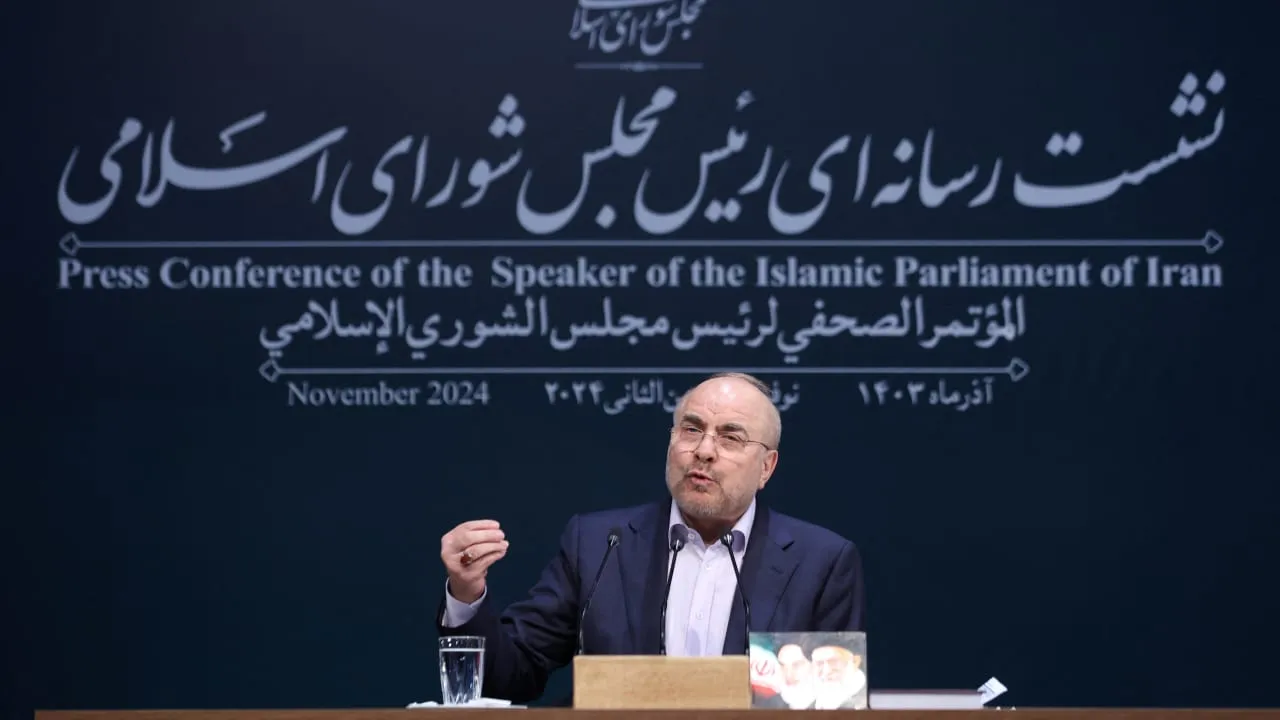
Iranian Parliament Speaker Mohammad Bagher Ghalibaf made the remarks during a meeting in Tehran with He Wei, vice chairman of the Standing Committee of China’s National People’s Congress, on the sidelines of funeral ceremonies for Iran’s late Supreme Leader Ali Khamenei.
Ghalibaf said Tehran and Muscat had developed a navigation mechanism based on the fifth clause of a memorandum of understanding, adding: “We will not allow the United States to interfere in the management of the strait.”
His comments come amid visible differences between Iran and Oman over the future regulation of shipping in Hormuz. Tehran has insisted that vessels must use designated routes through the waterway, while Muscat has rejected any transit fees and stressed that freedom of navigation must remain protected under international law.
The issue has gained urgency as Iran and Oman seek to translate recent understandings reached after a fragile US-Iran agreement into practical arrangements for the strait, one of the world’s most important energy corridors.
Iran is seeking a larger role in managing navigation through Hormuz, while Oman is trying to balance sovereignty, maritime safety and the demands of international trade without alarming energy markets or shipping companies.
Omani Foreign Minister Badr Al-Busaidi has said Muscat does not support imposing fees on vessels crossing the strait, but left open the possibility of discussing maritime service arrangements, including navigation safety, emergency response and pollution control. He compared such services to models used in the Straits of Malacca and Singapore.
Oman’s position appears aimed at separating practical maritime services from any new financial burden on global trade, as energy markets remain heavily dependent on uninterrupted exports through Hormuz.
Al-Busaidi said Oman continues to work to reduce tensions and supports implementation of the US-Iran memorandum of understanding. He stressed that any future arrangements with Iran would remain consistent with international law and the UN Convention on the Law of the Sea, ensuring that navigation remains safe and free for all states.
He also pointed to Gulf consensus on the need for de-escalation and preventing any move that could threaten regional security or trade flows.
Iran has previously objected to Oman’s move to publish alternative navigation corridors through Hormuz, with the Revolutionary Guards warning vessels against using routes outside those accepted by Tehran.
Ghalibaf also warned that Iran would resume what he described as “appropriate measures” if the United States and Israel failed to meet their commitments under the memorandum of understanding. He did not specify what measures Tehran might take, but the comments risk adding further strain to an agreement already viewed as fragile.
“The Israelis are undoubtedly seeking to undermine the memorandum of understanding between Iran and the United States,” Ghalibaf said, arguing that Iran’s deterrent power in the region would prevent a renewed war. He added that stronger relations between Iran and China would help reduce global tensions.
US officials, including Vice President JD Vance, have previously warned Tehran against escalation or any miscalculated steps that could threaten regional stability.