
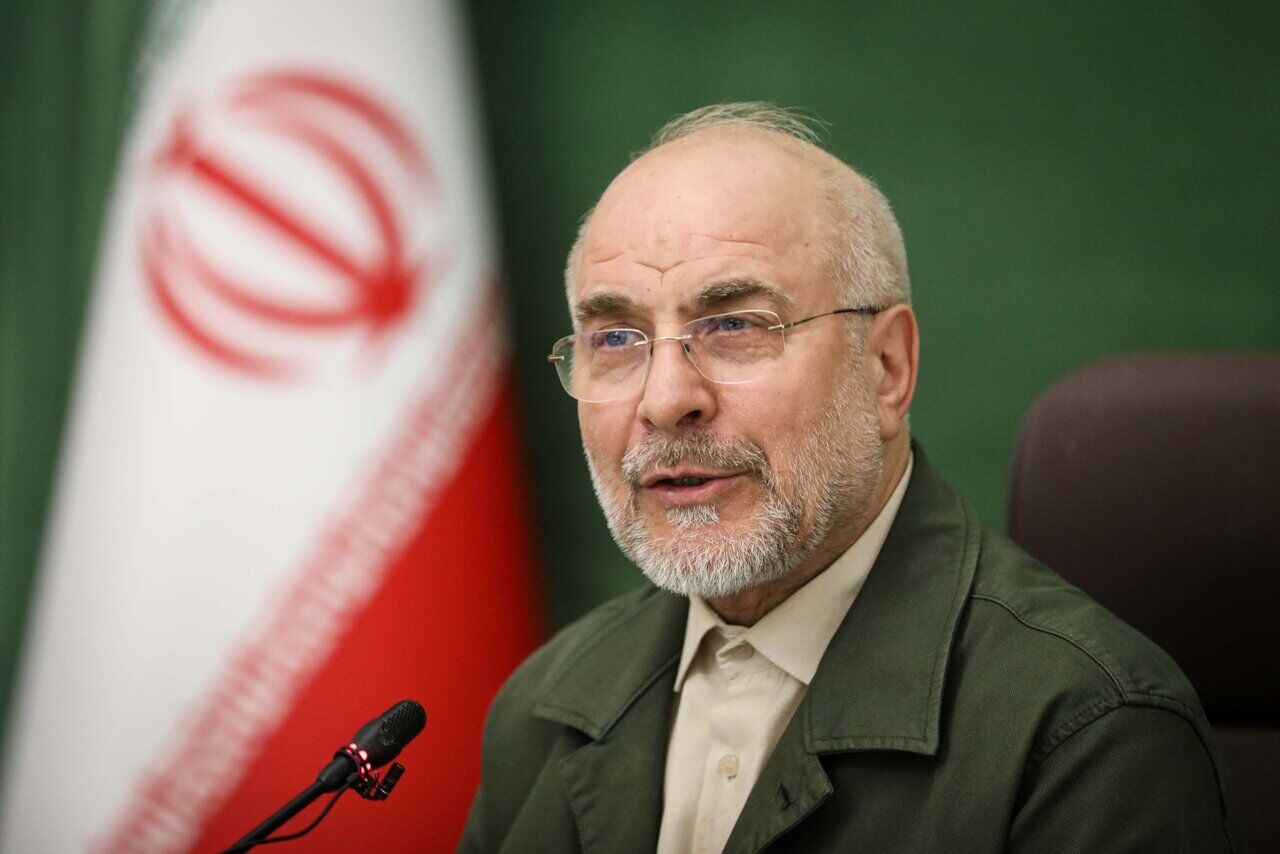
Iranian Chief Negotiator Mohammad Bagher Ghalibaf warned that Tehran will not accept any peace agreement that fails to fully secure Iranian rights.
This declaration follows reports that United States President Donald Trump submitted a significantly tougher draft proposal to the Islamic Republic.
The heightened diplomatic friction threatens to delay a formal end to the war and stall the reopening of the blockaded Strait of Hormuz.
Tensions escalated earlier this year when the United States and Israel launched devastating joint air and missile strikes against Iran’s leadership.
While Washington demands the total eradication of Iran’s nuclear weapons capabilities, Tehran continuously maintains its program serves purely civilian purposes.
President Trump stated his primary war objectives remain preventing a nuclear-armed Iran and securing the vital, blockaded global oil shipping lanes.
Despite extensive American bombardment of Iranian ballistic missile infrastructure, satellite intelligence reveals Tehran has successfully excavated dozens of targeted underground facilities.
Sporadic military flare-ups persist, including claims by the Revolutionary Guards that they successfully downed an American military drone near Iranian waters.
Simultaneously, the regional conflict intensifies on the Lebanese front, where Israel has aggressively expanded its military operations against Iran-backed Hezbollah forces.
Beirut officials have fiercely accused Israel of implementing a scorched-earth policy during its latest sweeping offensive into southern Lebanon territory.
The United Nations Security Council called an emergency meeting following Israel’s highly strategic capture of the historic Beaufort Castle fortress.
Israeli Prime Minister Benjamin Netanyahu lauded the capture as a dramatic shift, while Hezbollah vows resistance against the expanding occupation.