
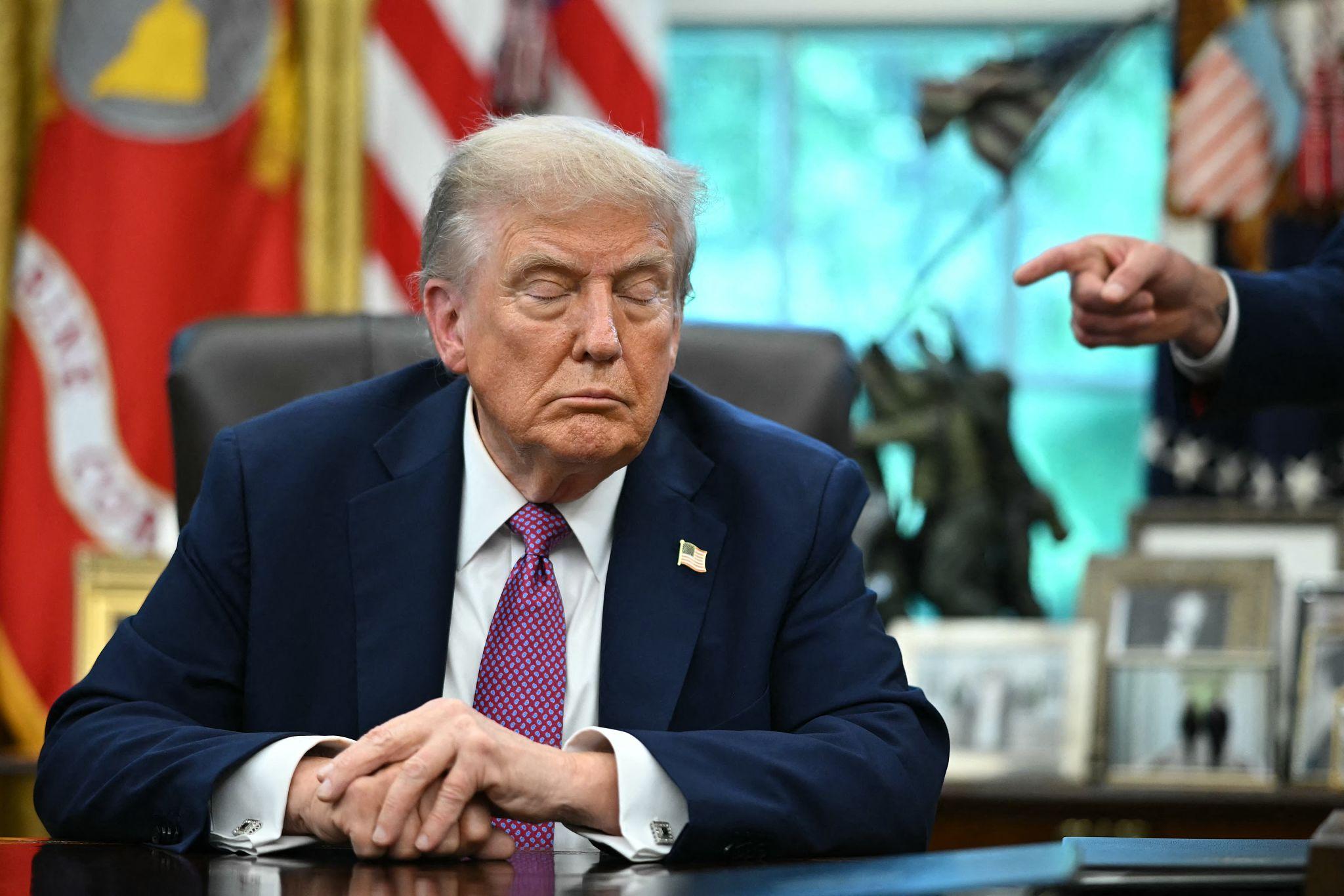
The United Arab Emirates has already unlocked a first tranche of more than $3 billion for Iran ahead of an expected memorandum of understanding with Washington, Reuters reported Friday, sharply undercutting President Donald Trump’s public claim that Tehran was not receiving favorable terms.
The reported payment forms part of a wider UAE-Iran arrangement worth at least $10 billion, according to two regional sources cited by Reuters. Two other sources familiar with the deal put the figure as high as $20 billion.
The report said the first tranche of more than $3 billion had already been delivered or made available, even as Trump dismissed reports of a favorable deal for Iran as “fake news” and senior US officials insisted economic benefits would only come after Tehran met its obligations.
Reuters said it could not determine whether the funds came directly from the UAE or from long-blocked Iranian-linked accounts held in the Emirati banking system or elsewhere. But the political effect is the same: Iran has already gained access to billions of dollars before the broader US-Iran understanding has been signed.
The disclosure lands at a critical moment in negotiations between Tehran and Washington, with diplomats saying the two sides are close to finalizing an MOU aimed at ending the US-Israeli war with Iran and reopening key regional trade routes.
Vice President JD Vance said Friday that money would not be released to Iran simply for signing a deal or attending a meeting, arguing that any economic benefits would depend on Iranian compliance.
But the UAE arrangement appears to offer Tehran an alternative route to immediate liquidity while allowing Washington to maintain that it has not directly paid Iran.
One source familiar with the arrangement told Reuters the deal allowed all sides to avoid crossing their stated red lines: Iran could claim compensation for war damage, the US could insist it paid nothing, and Abu Dhabi could secure a halt to Iranian attacks while presenting the move as part of regional de-escalation.
The UAE official response did not deny the arrangement. Asked about the transfer, an Emirati official said Abu Dhabi’s foreign policy was guided by reducing tensions and supporting efforts to protect the region from the consequences of conflict.
The reported payment follows weeks of Iranian attacks on the UAE during the war, which damaged confidence in Dubai and Abu Dhabi’s image as safe business hubs. Reuters said Iran’s last known direct attack on the UAE was a May 4 strike on Fujairah port.
Under the arrangement, Iran would halt missile and drone attacks on the UAE, while the two sides would rebuild bilateral ties, including intelligence sharing and economic cooperation, one source told Reuters.
The timing is politically explosive for Trump, who has repeatedly framed the emerging Iran deal as tough, conditional and favorable to the United States. His administration has sought to portray Tehran as receiving benefits only after making concessions on security, nuclear material and regional activity.
Yet the Reuters report suggests Iran has already secured a major financial win before the final MOU — not through an open US payment, but through a Gulf-side mechanism that gives Tehran billions in immediate relief.
The arrangement also mirrors earlier Iranian demands in the talks. Tehran had sought access to billions of dollars in frozen funds, while Washington had pushed for staged releases tied to specific obligations and humanitarian channels.
For Iran, the UAE deal provides what it has sought for months: liquidity, de-escalation and political breathing room without publicly surrendering its leverage.
For Trump, it creates a serious credibility problem. His public denial may still be technically defensible if US funds were not directly released. But the broader claim that Iran is not receiving upfront financial benefits is now directly challenged by Reuters’ reporting that more than $3 billion has already been made available.
The disclosure could also intensify criticism from Trump’s opponents and regional hawks who argue that Tehran is being rewarded for attacks on Gulf infrastructure while the administration presents the emerging agreement as a victory.
Iranian authorities did not immediately respond to Reuters’ request for comment. The White House also did not immediately respond to a request for comment on the UAE arrangement.