
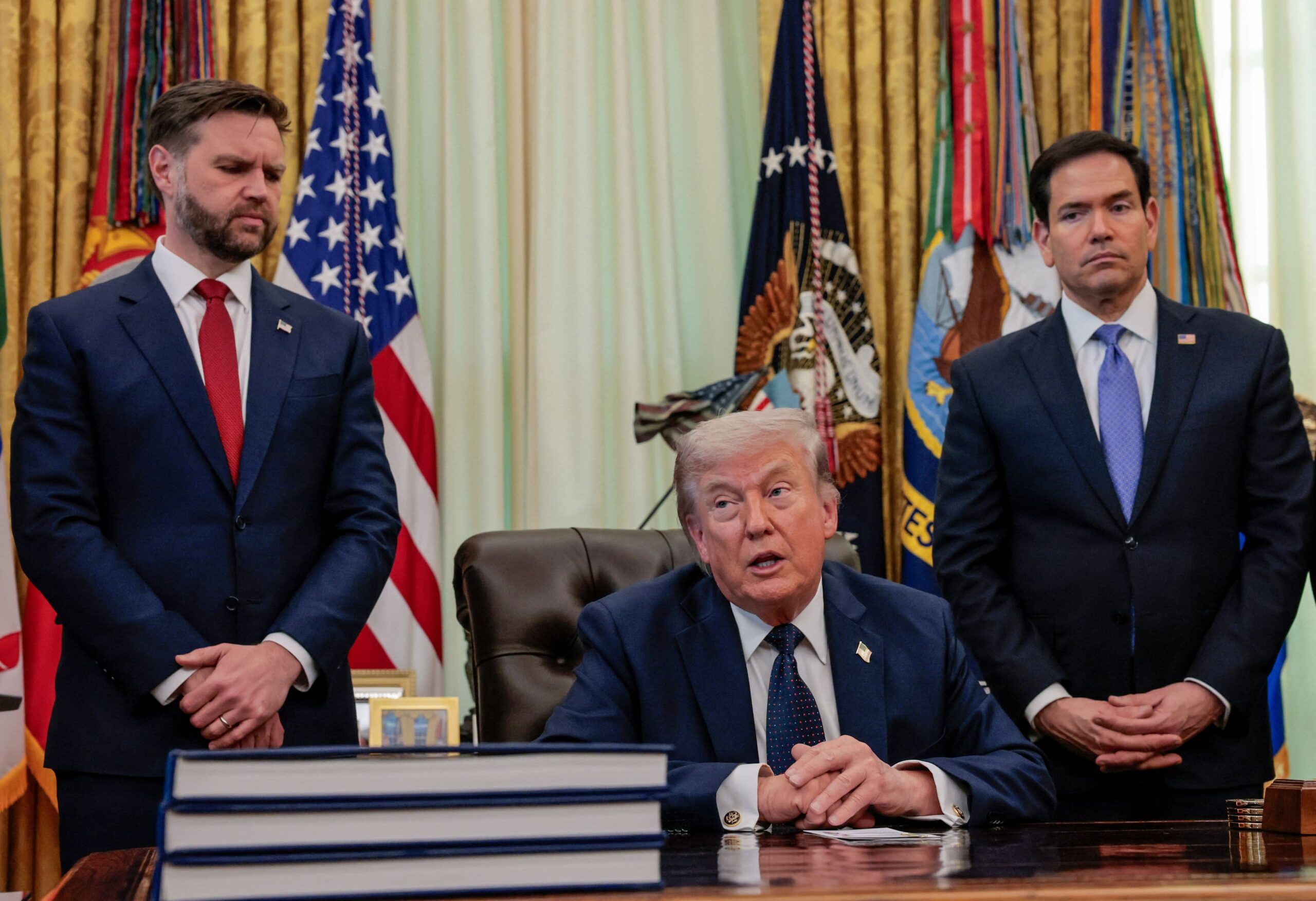
Israel and Lebanon have agreed to extend their fragile ceasefire by three weeks following talks at the White House led by Donald Trump, even as the wider regional conflict with Iran remains unresolved and increasingly volatile.
The extension comes amid continued clashes on the ground and mounting pressure on global energy markets, with the Strait of Hormuz effectively choked by ongoing naval tensions.
Trump signaled he is in no rush to end the war with Iran, insisting he is holding out for what he described as “the best deal” — one he claims must be permanent.
“I want it everlasting,” he said, brushing off questions about timelines.
Despite the rhetoric, the situation at sea tells a different story. Iran’s recent seizure of two large cargo vessels and continued harassment of shipping lanes have exposed the limits of US control over the strait, a critical artery for global oil supplies.
Washington has responded with threats of force. Trump said US naval forces have standing orders to “shoot and kill” Iranian boats suspected of laying mines, while claiming Iran’s military capabilities had already been “decimated” by conventional strikes.
He also ruled out the use of nuclear weapons, saying they were unnecessary.
Iran, however, has pushed back sharply. Mojtaba Khamenei dismissed US claims of internal instability, framing them as propaganda aimed at weakening Tehran.
“Unity will become stronger,” he said in a statement, rejecting suggestions that Iran’s leadership is fractured.
The broader conflict — now entering its second month after erupting in late February — continues to simmer across multiple fronts.
In southern Lebanon, fighting has persisted despite the ceasefire extension. Israeli forces have continued strikes targeting positions linked to Hezbollah, while the group has carried out retaliatory operations.
Israel said it killed two individuals it described as armed threats approaching its troops. Meanwhile, Lebanese sources confirmed that journalist Amal Khalil was among those killed in Israeli strikes this week, underscoring the growing civilian toll.
Hezbollah has not been part of the ceasefire negotiations, raising further doubts over how durable the agreement can be.
At the same time, Israeli officials are openly preparing for escalation. Defence Minister Israel Katz said Israel is awaiting a US “green light” to resume direct attacks on Iran, warning that any renewed campaign would target top leadership and critical infrastructure.
For now, the ceasefire between Israel and Lebanon offers only a temporary pause — one that does little to address the deeper confrontation between Washington and Tehran, or the mounting risks to global energy flows.