
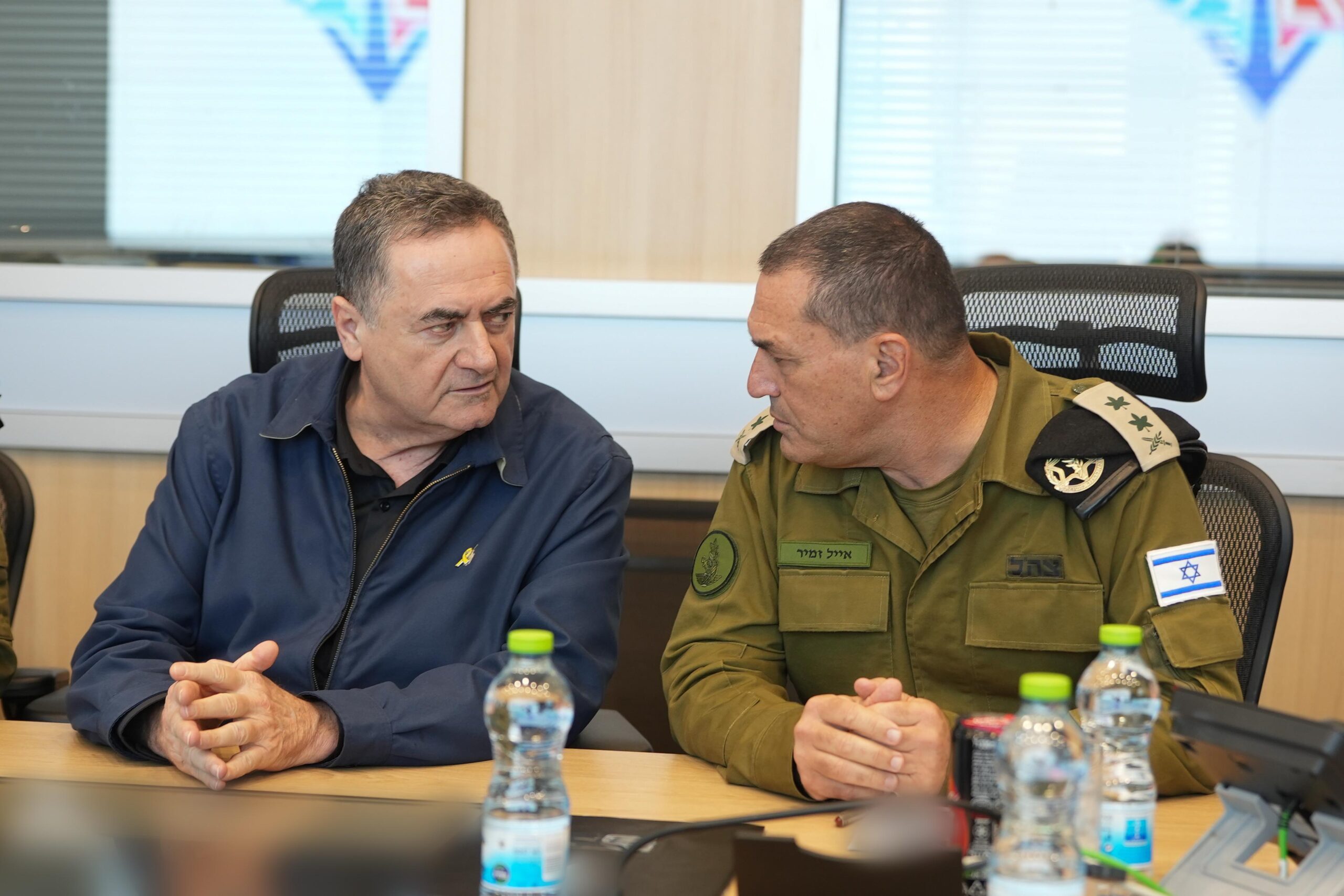
A public dispute between Israeli Defence Minister Israel Katz and senior army commanders has exposed growing tensions within Israel’s security establishment after Katz announced plans to replace Central Command chief Major General Avi Bluth.
Katz said Major General Dado Bar Kalifa would succeed Bluth, but the Israeli military said the announcement had not been coordinated with Chief of Staff Eyal Zamir.
The controversy began after Katz revealed the planned appointment during an interview with Israel’s Channel 14, prompting questions from within Prime Minister Benjamin Netanyahu’s office.
Katz later denied that he had independently decided to remove Bluth, saying Zamir had recommended several months ago that a successor be appointed. He argued that his comments had been misinterpreted as an announcement that the Central Command chief was being dismissed.
The Israeli military, however, said Katz’s statements had not been coordinated with the chief of staff. It added that Bluth retained the confidence of the military leadership and that no immediate changes to senior command positions were planned.
The confrontation comes amid reported disagreements between Katz and Bluth over Israeli security policy in the occupied West Bank.
Katz said Bluth had challenged in court a decision to release Israeli settler Tal Yanon Derdik, who has been accused of attacks against Palestinians. The case reportedly intensified tensions between the defence minister and the Central Command chief.
Bluth has led the Central Command since July 2024. Commanders in the position usually serve for about three years.
The dispute escalated further when Katz posted a video on X showing part of a 1979 speech by former Iraqi president Saddam Hussein.
Katz commented that dismissal procedures had been handled differently in the past, drawing widespread criticism because the footage was linked to Saddam’s notorious Baath Party purge at Baghdad’s al-Khuld Hall.
During the event, senior party officials were accused of plotting against the Iraqi leadership before several were arrested and later executed.
The public confrontation reflects widening divisions between Israel’s political and military leadership as the country faces security challenges across several fronts.