
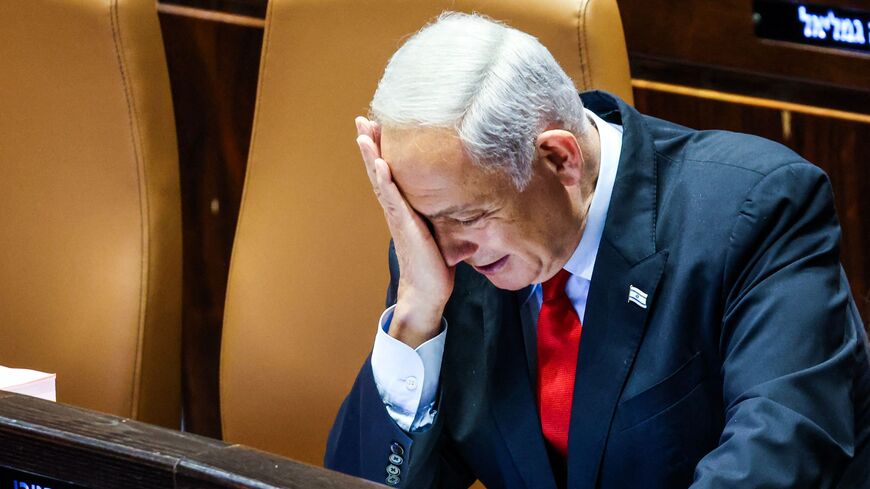
Israeli Prime Minister Benjamin Netanyahu has requested a presidential pardon, saying his lengthy corruption trial is fracturing Israel’s already divided society. US President Donald Trump recently urged President Isaac Herzog to pardon Netanyahu, who denies all allegations and has not admitted guilt.
Netanyahu said the six-year trial could drag on for years, arguing that national stability demands an end to proceedings he once vowed to fight. He warned that the case inflames political tensions, deepens social fractures and pushes the country toward a dangerous internal rupture.
The charges accuse Netanyahu and his wife of accepting luxury gifts from wealthy businessmen in exchange for political favours. Other counts allege he sought favourable media coverage through secret negotiations with prominent Israeli outlets.
Netanyahu called the court’s demand for thrice-weekly testimony “impossible”, insisting the requirement pushed him to seek clemency. Herzog’s office confirmed receipt of the request, calling it “extraordinary” and promising a careful review before making a decision.
Legal experts say a pardon could take weeks to assess and may face a Supreme Court challenge if granted, prolonging uncertainty. Some opposition figures argue that any pardon must require Netanyahu’s admission of guilt and a full withdrawal from political life.
Supporters claim he has been unfairly targeted by a biased judiciary and say a pardon would help heal national wounds. Netanyahu’s judicial overhaul proposals previously sparked mass protests, halted only by the outbreak of war in Gaza in late 2023.
Demonstrators gathered outside Herzog’s home on Sunday, warning that a pardon could undermine democratic norms and destabilise the rule of law. Activists say Netanyahu’s request represents an attempt to escape accountability, threatening what they describe as the fragile core of Israeli democracy.