
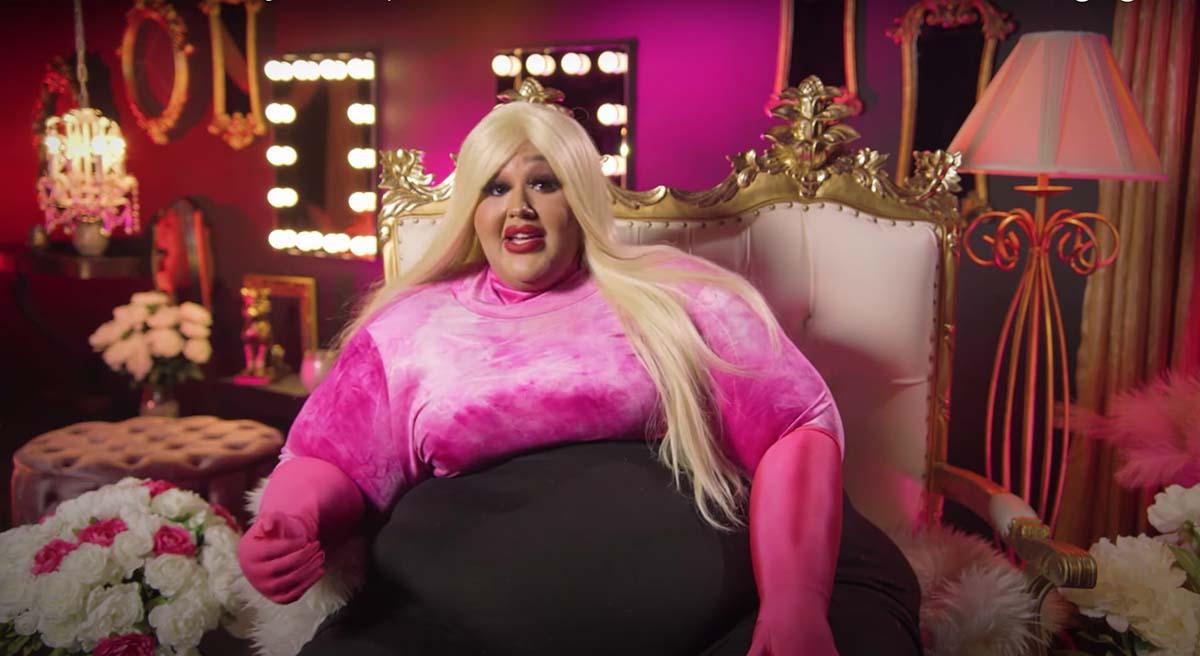
The internet has found its latest uncomfortable pattern: a string of plus-size, body-positive and extreme-eating influencers dying young, often after building audiences around food, size acceptance or “love yourself at any size” content.
The headline is barely a joke anymore. The bafflement is real, just not because the mystery is hard. It is because too many doctors now go on television and immediately wander outside medicine into the activist lounge: feelings, stigma, gender bias, language policing, “lived experience,” “larger bodies,” and every fashionable euphemism except the one their training should force them to say plainly.
They speak like campaigners with stethoscopes, as if the human heart is a TED Talk audience that can be persuaded to clap through a 10,000-calorie binge challenge. The body keeps saying enough. The ideology keeps asking are you sure?
The science is not mysterious. Obesity is a complex chronic disease, and public health agencies have long warned that excess body fat increases the risk of heart disease, stroke, type 2 diabetes, sleep apnea, liver disease and several cancers.
What changed was not biology. What changed was that a large part of liberal society decided to rebrand obvious health danger as empowerment, then handed microphones, sponsorships and algorithmic rewards to people visibly losing the argument with their own bodies.
In January 2025, Dominican-American influencer Carol Acosta, known online as Killadamente, died at 27 after reportedly choking during a family dinner in New York. Acosta had millions of followers and built much of her platform around humor, self-love and body positivity. Reports said she suffered breathing difficulty and was taken to hospital, where doctors were unable to save her.
In December 2022, Jamie Lopez, the star of Super Sized Salon and founder of Babydoll Beauty Couture, died at 37. Her company confirmed her death, while several reports said she had been hospitalized in Las Vegas and died after heart complications. Lopez had spoken openly about her weight, mobility struggles and efforts to lose hundreds of pounds after reaching an extreme size.
Taylor LeJeune, the TikTok food creator known as Waffler69, died in January 2023 at 33. His brother said he had passed away after a “presumed heart attack.” LeJeune was not a fat-acceptance activist in the academic sense, but his page was built around viral food challenges and novelty eating. It was the purest version of the machine: eat the thing, get the views, eat a worse thing, get more views.
In Turkey, 24-year-old TikTok creator Efecan Kültür, known for mukbang-style eating videos, died in 2025 after months of health problems reportedly linked to obesity. His case became a local warning about the danger of turning extreme eating into entertainment. It should not take a public-health PhD to understand that filming yourself eating huge amounts of food for attention may not end well, but apparently the internet needed another case study.
Then there was Cat Pausé, a fat studies academic and activist who died suddenly in her sleep in 2022 at 42. Her cause of death was not disclosed, and it would be wrong to claim one. But Pausé’s death was inevitably pulled into the wider argument because she was one of the movement’s best-known intellectual voices, part of a culture that often treated basic medical concern as oppression dressed in a white coat.
In Russia, fitness coach Dmitry Nuyanzin died at 30 after an extreme binge-eating challenge in which he reportedly consumed around 10,000 calories a day to rapidly gain weight before later trying to lose it as part of a promotional stunt. Reports said he suffered fatal cardiac arrest after gaining significant weight in a short period. It was influencer logic in its final form: damage the body first, monetize the recovery later, hope the body plays along.
Brittany Sauer, a body-positive TikTok creator, died unexpectedly in January 2023 at 28. Her obituary confirms her death, while later reports and interviews with former body-positive influencer Gabriella Lascano described Sauer as having warned followers shortly before her death about binge eating, food and lack of self-care. Because the official cause is not clear, her case should be handled with caution. Still, it became one of the stories that pushed some former body-positivity influencers to publicly rethink what they had been selling.
The point is not that every large creator who dies young died because of obesity. Some causes are undisclosed. Some may be unrelated. But the opposite lie is obscene: pretending extreme obesity has no relationship to health, then calling every warning “hate.”
How far are we from emptying psychiatric wards, rebranding the patients as “ultra-sane,” and telling the public to applaud? That is what parts of body positivity did to obesity. A medical crisis was repackaged as an identity. Risk became stigma. Weight loss became betrayal. Concern became bigotry.
And denial pays. Eat more, get views. Reject doctors, get praise. Turn “I will not change” into a brand, and sponsors get engagement, platforms get watch time, viewers get a show. The person on screen gets applause until the ambulance arrives.
The body does not care. The heart does not respect hashtags. The lungs do not read think pieces. The pancreas does not negotiate with activists. You can call obesity “living in a larger body” all you want. You are still fat and obese.
Self-love should not require self-destruction. If a movement cannot say that plainly, the problem is not “fatphobia.” The problem is the movement.