
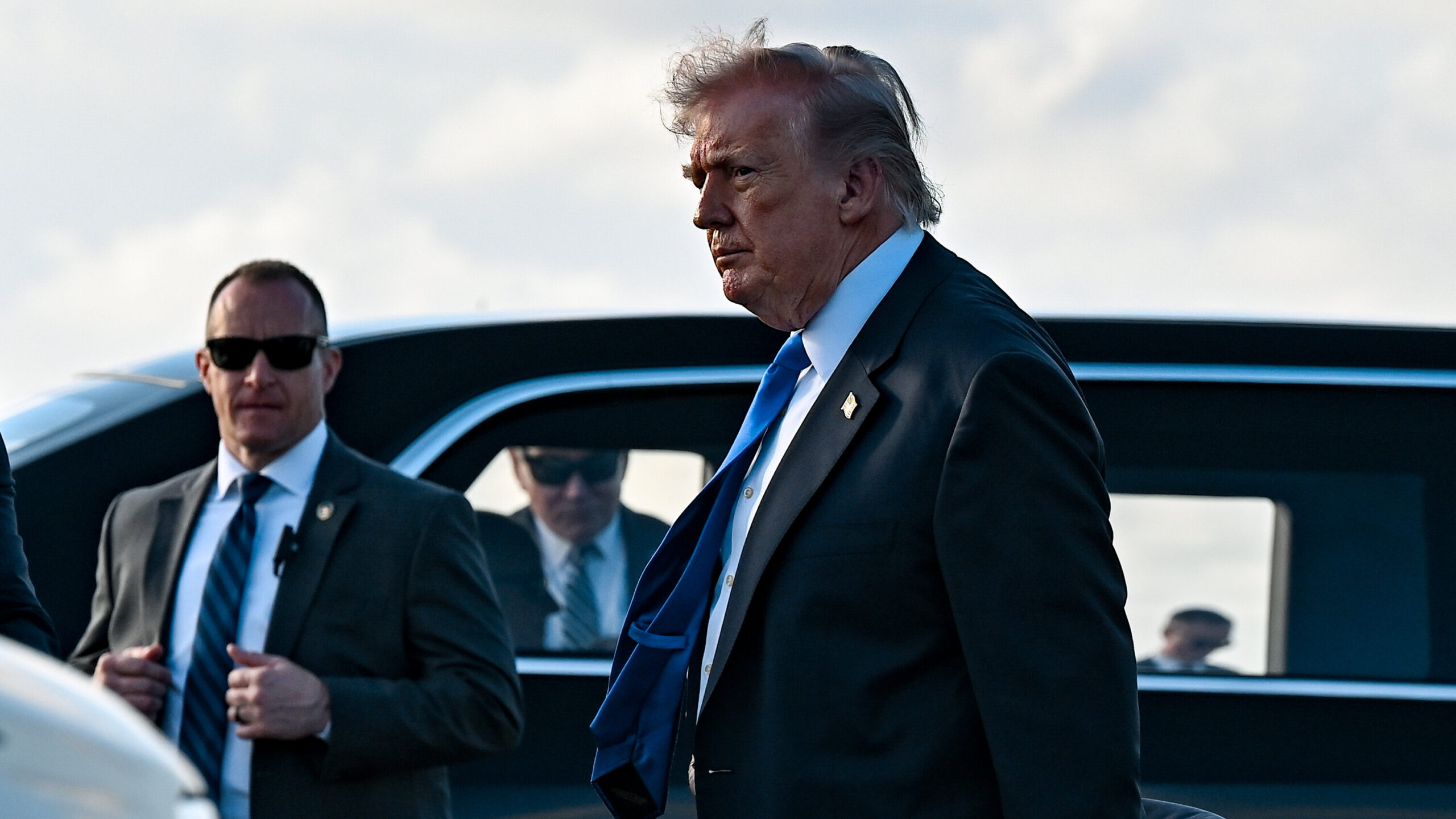
A fragile diplomatic push to halt the Iran war suffered another setback after U.S. President Donald Trump abruptly cancelled a planned trip by his top envoys to Pakistan, signalling growing frustration in Washington.
The move came as Abbas Araqchi wrapped up his visit to Islamabad and departed without securing any visible progress in indirect talks.
Trump scrapped the trip by special envoy Steve Witkoff and senior adviser Jared Kushner, dismissing the need for further engagement under current conditions.
In a blunt statement, he accused Iran’s leadership of internal disarray and suggested there was little value in continuing back-and-forth diplomacy. “Nobody knows who’s in charge,” he said, adding that Washington remains in a dominant position.
The cancellation effectively stalls Pakistan’s role as a mediator, with Prime Minister Shehbaz Sharif having hosted the latest round of discussions aimed at bridging gaps between Tehran and Washington.
Iran shifts track, questions US intent
Araqchi offered a contrasting narrative, calling his meetings in Islamabad constructive while casting doubt on U.S. commitment to negotiations.
“We’ve outlined a workable framework,” he said, but added that it remains unclear whether Washington is “genuinely pursuing diplomacy.”
Soon after leaving Pakistan, the Iranian foreign minister travelled to Muscat, underscoring Oman’s continued role as a quieter but more trusted channel for Tehran.
Iran has maintained a firm red line against direct talks with the United States, with officials insisting they will not accept sweeping conditions imposed by Washington.
War pressures overshadow diplomacy
The breakdown in momentum reflects a broader deadlock shaped by battlefield realities and economic pressure.
Iran’s tightening control over the Strait of Hormuz has rattled global markets, threatening a key artery for energy shipments, while U.S. measures targeting Iranian oil exports continue to squeeze Tehran.
The conflict, sparked by U.S.-Israeli strikes in late February, has expanded into a multi-front confrontation, with Iran responding through attacks on Israel, U.S. military assets, and regional infrastructure.
Although a ceasefire remains technically in place, neither side appears willing to make the concessions needed to turn it into a lasting settlement.
Earlier signals from Washington had hinted at possible progress, with officials even floating the idea that Vice President JD Vance could join talks if conditions improved.
Instead, Trump’s decision to cancel the Pakistan visit highlights a widening gap — one where rhetoric escalates, diplomacy fragments, and the prospect of a breakthrough continues to slip.