
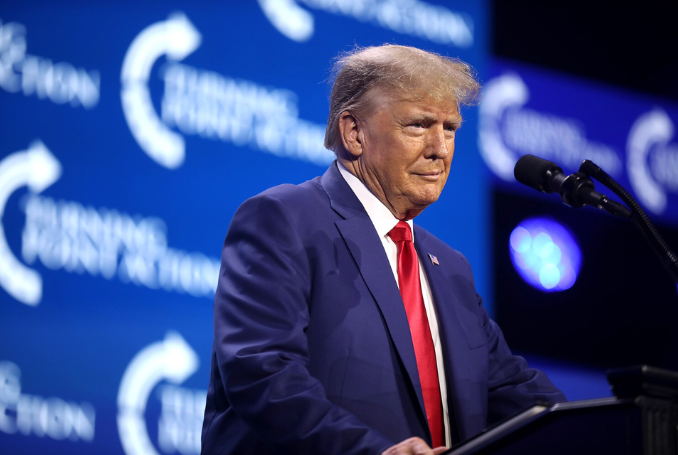
Efforts to halt the ongoing Iran war hit a new deadlock Tuesday after U.S. President Donald Trump dismissed Tehran’s latest proposal, saying Iran is “figuring out its leadership” amid internal turmoil.
Trump’s remarks came after Iran floated a phased plan that would postpone negotiations over its nuclear programme until after the conflict ends — a condition Washington has rejected outright.
“Iran has just informed us that they are in a ‘State of Collapse’… trying to figure out their leadership situation,” Trump wrote on Truth Social, without clarifying how the message was conveyed.
Nuclear dispute blocks ceasefire path
According to U.S. officials, the core disagreement centers on timing: Washington wants Tehran’s nuclear programme addressed immediately, while Iran insists it be deferred until after a ceasefire and maritime issues are resolved.
Tehran’s proposal, carried by Foreign Minister Abbas Araqchi during shuttle diplomacy between Islamabad, Muscat, and Moscow, outlines a step-by-step process:
- First, end the U.S.-Israeli war and secure guarantees against renewed hostilities
- Then resolve the U.S. naval blockade and reopen the Strait of Hormuz
- Only afterward begin talks on nuclear enrichment and related disputes
The U.S. position, however, remains unchanged: no deal without immediate nuclear concessions.
Leadership vacuum hardens Iran’s stance
Negotiations are further complicated by upheaval inside Iran following the reported killing of Supreme Leader Ali Khamenei early in the war.
His successor, Mojtaba Khamenei, has yet to consolidate authority, with power increasingly shifting toward hardline commanders in the Islamic Revolutionary Guard Corps.
Analysts say the fragmented leadership structure is making Tehran less flexible at the negotiating table.
Strait of Hormuz crisis disrupts global trade
Meanwhile, the war continues to choke global shipping routes.
Iran has effectively blocked most traffic through the Strait of Hormuz since late February, while the U.S. has imposed a counter-blockade on Iranian vessels. The impact has been severe:
- Daily ship traffic has plunged from around 130 vessels to just a handful
- Several Iranian oil tankers have been forced to turn back
- No oil shipments were recorded exiting the strait in the past day
The disruption has driven oil prices higher, with Brent crude climbing above $111 per barrel.
Regional fractures deepen
The crisis is also exposing divisions among Gulf states. The United Arab Emirates has announced plans to exit OPEC+, signaling growing frustration over the regional response to the conflict.
Iran, for its part, says it is bypassing the blockade by shifting trade to alternative land corridors.
Diplomacy at a standstill
With both sides holding firm — Washington demanding immediate nuclear concessions and Tehran prioritizing military de-escalation first — prospects for a breakthrough appear increasingly remote.
Trump, facing domestic pressure to end the war, has already scrapped planned diplomatic engagements, including a visit by his envoy to Pakistan.
For now, the conflict shows no clear path toward resolution, as military escalation and political fragmentation continue to undermine fragile diplomatic efforts.