
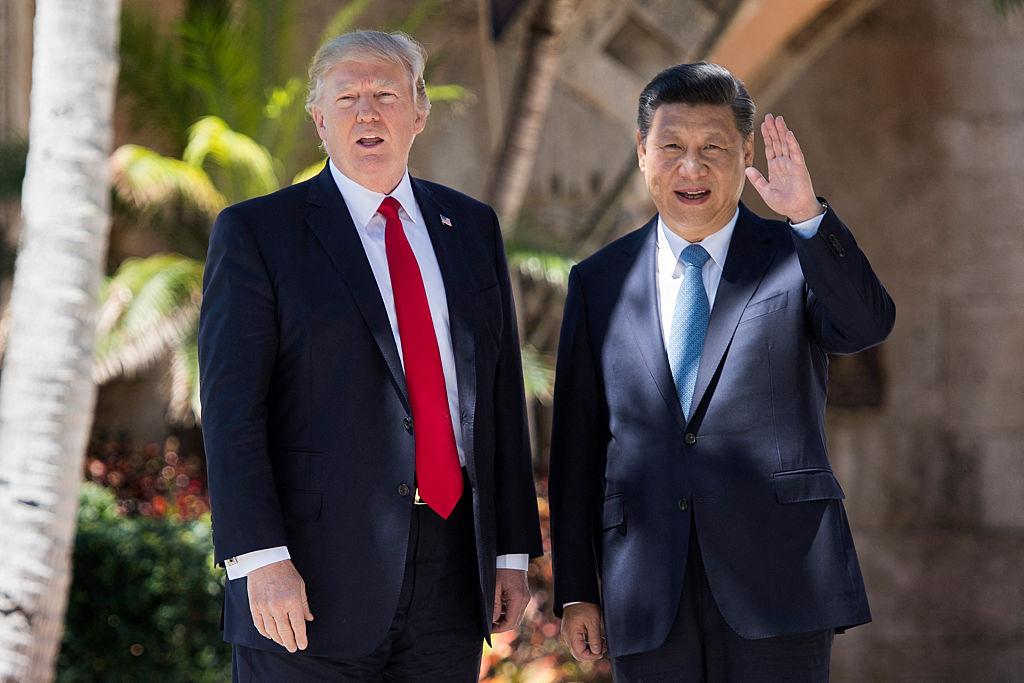
Iran has requested a new 10-day deadline to respond to a U.S. “one-page” proposal aimed at ending the Gulf conflict, in what American diplomatic sources described as a deliberate strategy to delay negotiations ahead of President Donald Trump’s expected meeting with Chinese President Xi Jinping.
According to a U.S. diplomatic source cited by Emirati outlet Erem News, Tehran informed Pakistani mediators that it needed additional time to study the proposal, a move Washington reportedly sees as an attempt to complicate Trump’s diplomatic agenda before the Beijing summit.
The source claimed the delay tactic was being coordinated closely with China and was intended to create uncertainty around the Iranian file during Trump’s talks in Beijing.
The proposed U.S. agreement reportedly includes a temporary suspension of uranium enrichment. Washington is said to be pushing for a 20-year freeze, while Iran has proposed five years. Pakistani mediators are reportedly floating a compromise formula of 12 years.
In exchange, the proposal includes the lifting of U.S. sanctions on Iran, the release of billions of dollars in frozen Iranian assets, and an agreement by Tehran to remove obstacles to maritime traffic in the Strait of Hormuz in return for an end to what Iran describes as a U.S. blockade of its ports.
The U.S. source said Washington had informed Islamabad that Tehran would only be granted a 24-hour deadline to respond, arguing that the core issues had already been discussed for weeks and did not constitute new demands. Pakistan reportedly requested that the U.S. extend the review period by an additional day.
The source added that Tehran prefers prolonged negotiation processes and repeated diplomatic offers from Washington, as long as pressure measures such as sanctions and covert restrictions are not fully tightened.
The report also claimed that unofficial communication channels between U.S. and Iranian negotiators continue to operate behind the scenes, while decision-making power in Tehran remains heavily influenced by the Islamic Revolutionary Guard Corps (IRGC), which the source described as favoring high-risk brinkmanship.
As indirect contacts continue over the “one-page” proposal, speculation is growing over whether Iran is intentionally slowing its response to secure better terms or to politically embarrass Trump before his visit to China.
Western political sources told Erem News that Tehran understands the importance of timing for the White House, particularly as Trump seeks to present himself to Beijing as a leader capable of resolving major Middle East crises, including the Iranian nuclear issue.
International relations researcher Mohammed Bayram said Iran appeared less focused on delivering a final answer quickly and more interested in managing the pace of negotiations to exploit Washington’s need for a rapid diplomatic achievement.
“Iran believes that if Trump arrives in Beijing without a clear breakthrough on the Iranian file, it could weaken his negotiating image before Xi Jinping,” Bayram told Erem News.
He added that Tehran likely does not want the negotiations to collapse entirely, but instead aims to prolong uncertainty in order to increase political and media pressure on the White House.
At the same time, Bayram warned that Iran understands prolonged delay tactics could increase the risk of limited military action, especially as the Iranian economy continues to face severe pressure.
He predicted that Tehran would likely continue maneuvering until the final moments before offering a partially flexible response that keeps negotiations alive without producing a final agreement before the Beijing summit.
According to Bayram, such a strategy would allow Iran to preserve leverage while preventing Washington from claiming a full diplomatic victory. He added that any upcoming round of talks could become one of the most sensitive negotiation phases in years.