
The United States has placed its military forces on heightened alert amid mounting indications that strikes on Iran could be imminent, as Washington continues a major military buildup across the Middle East while diplomatic efforts show limited progress.
U.S. officials have publicly maintained that diplomacy remains the preferred path, but regional security sources say preparations for potential military action are accelerating, with force deployments reaching levels not seen in years. Indirect talks between U.S. and Iranian negotiators in Geneva this week failed to bridge key gaps over Tehran’s nuclear programme, leaving tensions unresolved.
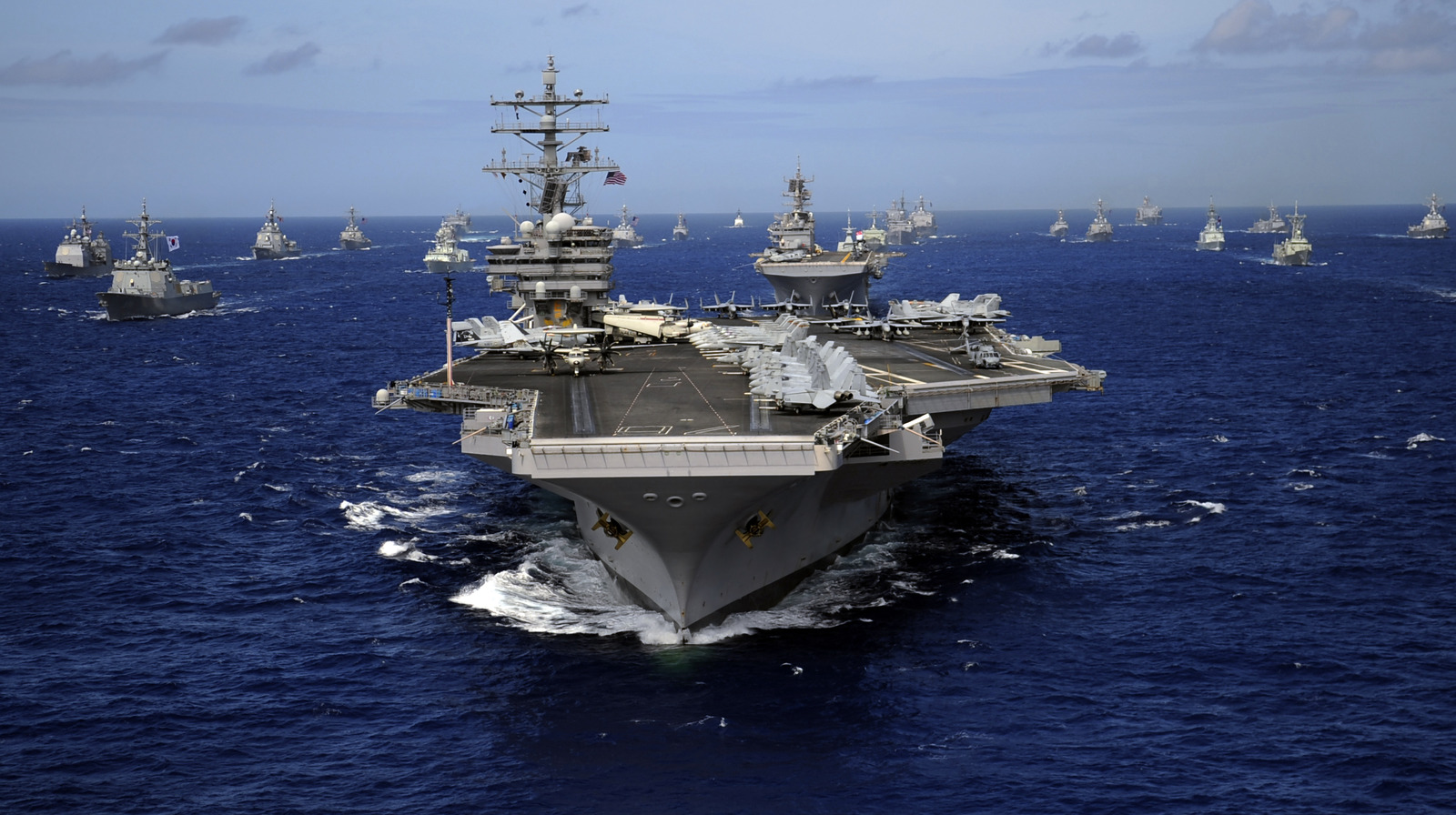
According to regional security sources and open-source naval tracking data, the USS George H.W. Bush aircraft carrier is advancing at high speed toward the Mediterranean and is expected to transit the Strait of Gibraltar imminently, placing it in the eastern Mediterranean by Friday. The movement is part of a broader U.S. naval surge, with estimates suggesting that roughly 30 percent of total U.S. naval forces are currently committed to operations linked to a potential attack on Iran.
The Pentagon has steadily reinforced its regional posture in recent weeks, deploying warships, combat aircraft and support assets across key locations as planners prepare for multiple contingencies. U.S. national security advisers have reportedly briefed the White House that forces would be fully positioned by mid-March should a strike order be issued.
Iran, meanwhile, has rejected U.S. demands to abandon its nuclear programme, insisting that its enrichment activities are for peaceful purposes and remain within its rights under the Nuclear Non-Proliferation Treaty. Tehran has warned that any attack on its territory would trigger a strong response, raising fears of rapid escalation across the region.
Russia and several regional governments have urged restraint, warning that military action could ignite a wider conflict and reverse recent diplomatic gains, including improved relations between Iran and neighbouring states. Arab countries and Gulf monarchies have privately conveyed concerns to Washington over the risks of destabilisation, according to diplomatic sources.
While no final decision has been publicly announced, officials caution that the coming days will be critical, as military readiness peaks and diplomatic channels narrow, leaving the region on edge amid fears of a major confrontation.