
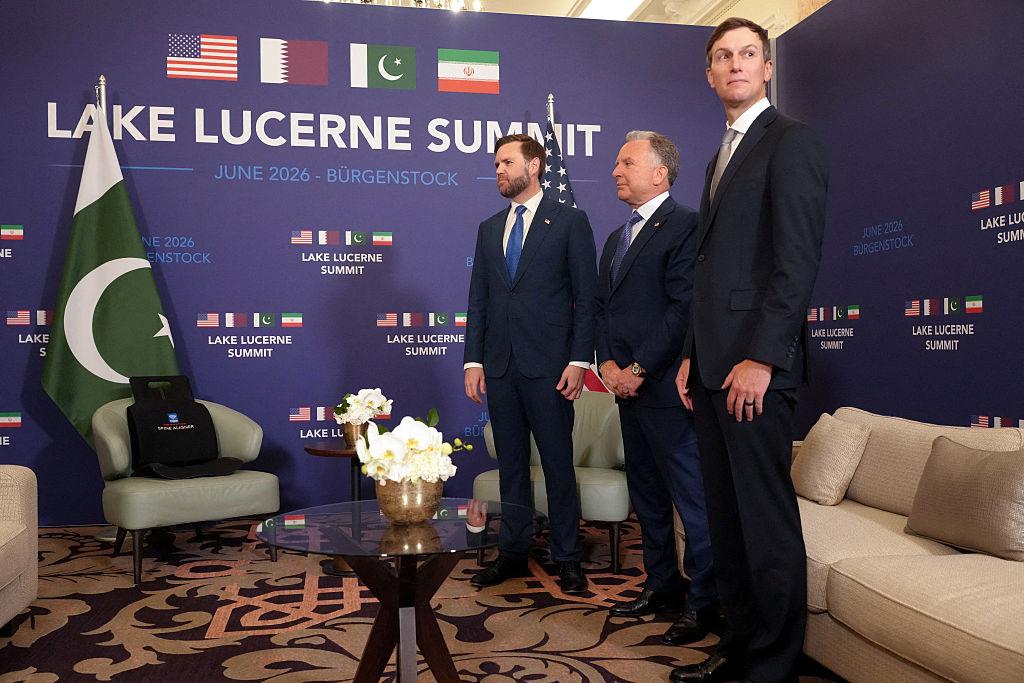
Iranian negotiators privately warned US Vice President JD Vance that Jared Kushner and special envoy Steve Witkoff were allegedly exploiting their access to negotiations with Tehran for financial gain, according to a report by Drop Site News.
The report, citing an unnamed senior Iranian official, said the message was sent through an intermediary during US-Iran talks held in Lucerne, Switzerland, in late June.
According to the Iranian official, Tehran told Vance that Kushner and Witkoff’s continued participation could undermine efforts to transform a June 17 framework agreement into a lasting diplomatic settlement.
The official alleged that the two men were more interested in using confidential knowledge of diplomatic and military developments to profit from financial markets than in securing an agreement. Iranian negotiators also reportedly raised concerns about information being shared with Israeli Prime Minister Benjamin Netanyahu.
Drop Site said it could not independently confirm whether the intermediary delivered the message to Vance. The Iranian official nevertheless claimed Tehran was confident that the vice president had received it.
Vance’s office denied receiving such a communication.
“A message of this nature was never conveyed to the vice president or his team,” a US official told Drop Site, rejecting suggestions that members of President Donald Trump’s negotiating team were motivated by anything other than advancing the administration’s objectives.
The White House also denied the allegations, saying no such message had been transmitted to the United States. Kushner and Witkoff did not respond directly to Drop Site’s requests for comment.
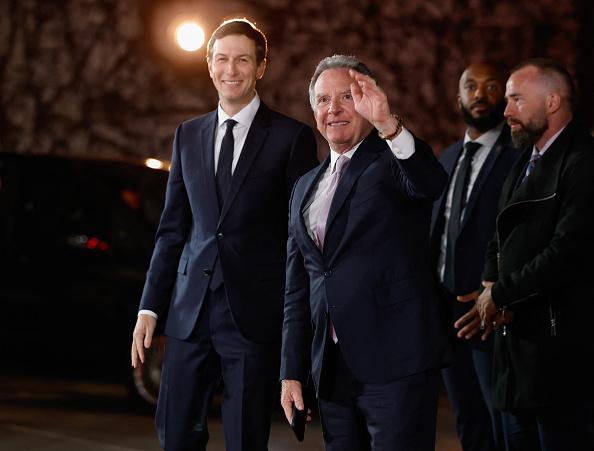
Iran reportedly presented documents to mediators
The Iranian official claimed Tehran had previously presented mediators with written documentation that it described as evidence that individuals close to Trump had manipulated markets using information connected to the Iran conflict and diplomatic negotiations.
Iran allegedly calculated that profits generated through the suspected activity had reached approximately $9 billion and demanded that half of that amount be allocated to the Iranian side.
No independent evidence substantiating the alleged market manipulation was presented in the Drop Site report.
The Iranian official also accused Witkoff of misrepresenting Tehran’s negotiating positions to Trump, particularly regarding Iran’s stockpile of highly enriched uranium and the concessions it was prepared to consider.
According to the report, Iranian negotiators viewed Vance as more pragmatic and more committed to reaching a durable agreement than other members of the US delegation. Tehran therefore sought to establish a separate communication channel with him.
A source close to Vance told Drop Site that the vice president had been attempting to identify Iranian officials who were more willing to pursue dialogue, describing that approach as a routine element of diplomacy.
Vance calls report ‘completely bogus’
Following publication of the report, Vance publicly rejected the allegations.
“This is completely bogus. I never received a message like this,” Vance wrote on X, adding that Kushner and Witkoff were trusted members of Trump’s team and dismissing accusations that they had traded on inside information as “absurd.”
The White House later said experts from the National Security Council and the departments of State, Energy and Defense had participated in the Iran negotiations.
Drop Site maintained, however, that the US delegation involved in earlier negotiations in Oman and Geneva did not include American nuclear experts.
The allegations emerged as prospects for a renewed US-Iran agreement remained uncertain amid continuing military escalation and conflicting signals from Washington over whether diplomatic talks would continue.