
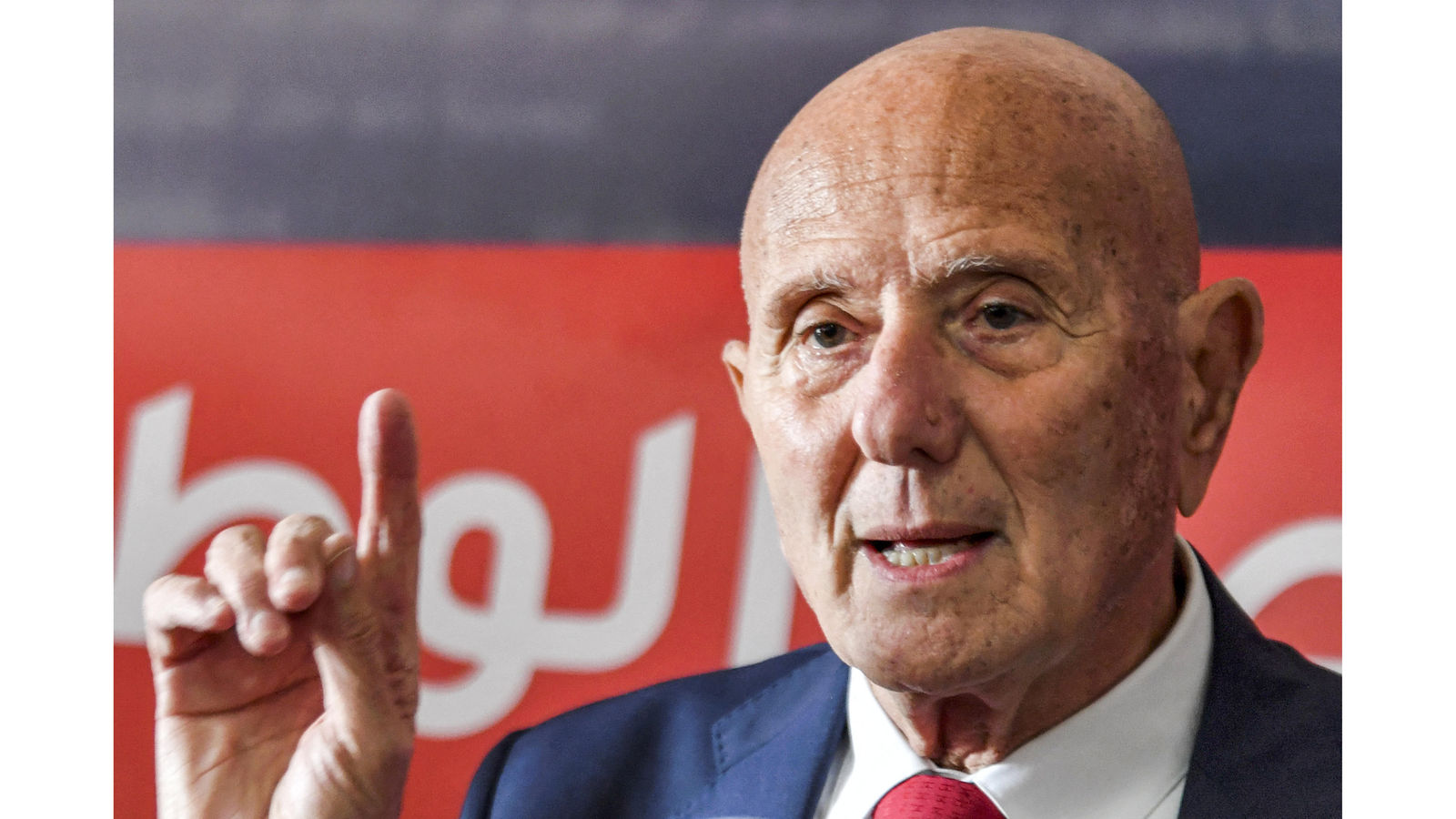
Chebbi, 82, is one of Tunisia’s most prominent opposition figures, active since the 1970s under the presidencies of Habib Bourguiba and Zine El Abidine Ben Ali, who was ousted in the 2011 uprising. His arrest comes days after an appeals court issued prison terms of up to 45 years for dozens of opposition politicians, business leaders and lawyers accused of plotting to overthrow Saied, a verdict critics say reflects the president’s increasingly authoritarian direction.
Police have also enforced sentences against other opposition figures, including Chaima Issa, who received a 20-year term, and lawyer Ayachi Hammami, jailed for five years. Both have begun open-ended hunger strikes calling for their release. In total, 40 defendants were charged in the conspiracy case, one of the largest political prosecutions in Tunisia in recent years.
Speaking to media last week, Chebbi said he had come to terms with the likelihood of imprisonment, urging Tunisians to “intensify protests to defend democracy, which Saied seeks to suppress.” After his arrest, his son Louay Chebbi insisted that the detention “will not halt the countdown to the hour of freedom.” Tunisian security authorities say the defendants, including former intelligence chief Kamel Guizani, sought to destabilise the country and remove Saied from power. Rights groups argue the convictions reflect a deepening crackdown on critics since Saied expanded his powers in 2021, with opponents, journalists and civil society figures arrested and independent NGOs suspended.
Opposition leaders maintain that the charges are fabricated to eliminate Saied’s rivals through the courts. Saied denies interfering in the judiciary, saying he is confronting years of entrenched corruption within the political class. When the conspiracy case was opened in 2023, Saied labelled the accused politicians “traitors and terrorists” and warned that judges who acquitted them would be considered accomplices.