
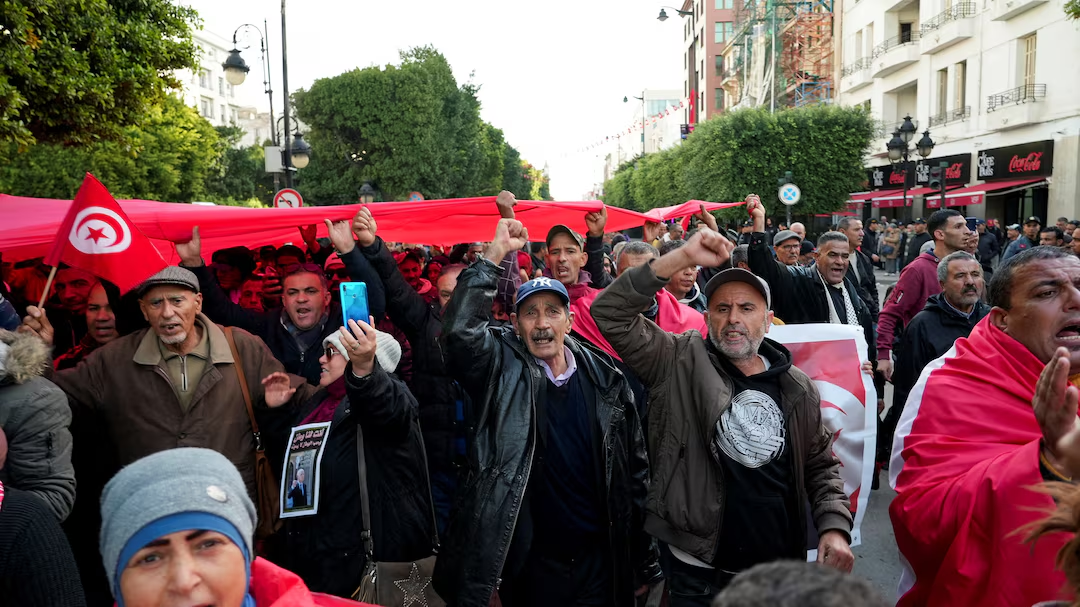
Supporters of Tunisian President Kais Saied gathered in the capital on Wednesday, accusing the opposition of betrayal as street protests and political tensions continue to intensify across the country.
The rival demonstrations come against the backdrop of a worsening economic crisis marked by high inflation, shortages of basic goods and deteriorating public services, factors that have driven growing public frustration and unrest in recent weeks.
Human rights groups say the president has expanded an unprecedented crackdown on political opponents, accusing him of using the judiciary and security forces to silence dissent. Saied has rejected these claims, insisting his actions are aimed at purging the state of corruption and what he describes as disloyal elites.
At the rally in central Tunis, demonstrators waved national flags and chanted slogans in support of Saied, praising him for confronting corruption and entrenched political interests. Protesters accused opposition figures of attempting to destabilise the country, repeatedly labelling them as traitors.
Some demonstrators said the president was defending Tunisia’s sovereignty and restoring order after years of political paralysis. Chants included calls for Saied to remain in power and declarations of loyalty to the current leadership.
Critics, however, argue that the arrests of opposition leaders, civil society figures and journalists reflect an increasingly authoritarian approach since Saied assumed sweeping powers in 2021 and began ruling largely by decree.
The country’s influential labour union has announced plans for a nationwide strike next month, raising concerns about further disruption amid the fragile economic situation.
Tensions have also escalated following recent court rulings against opposition figures, including lengthy prison sentences that critics say are intended to consolidate one man rule. Supporters of the president deny this, arguing that the judiciary is holding accountable those accused of undermining the state.
Saied was elected in 2019 with strong popular backing, but his continued consolidation of power has alarmed opponents at home and raised concerns among international partners, who warn that Tunisia is moving further away from democratic governance.