
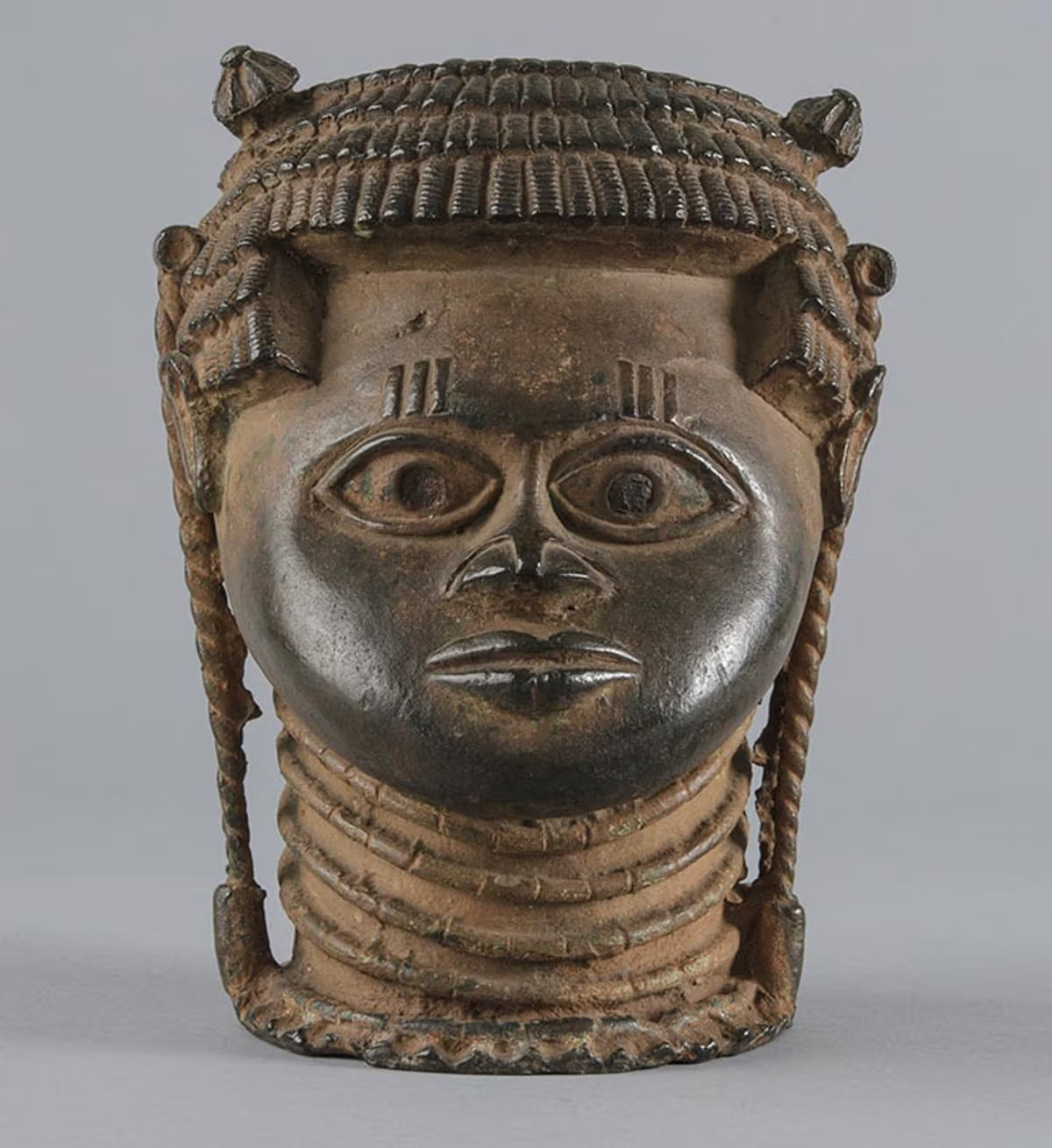
Ownership of more than 100 artefacts looted by British troops from the Kingdom of Benin in 1897 has been formally transferred from the University of Cambridge to Nigeria, marking a significant step in the long-running campaign for the restitution of colonial-era treasures.
In a joint announcement with Nigeria’s National Commission for Museums and Monuments (NCMM), the university confirmed that 116 artefacts—commonly known as the Benin Bronzes—will be returned to Nigeria. The objects were seized during the British military occupation of Benin City, in present-day Edo State, in the late 19th Century.
The artefacts are currently housed at the university’s Museum of Archaeology and Anthropology (MAA). Planning for their physical repatriation is under way, with both sides expressing hope that most of the pieces will be returned before the end of the year.
The restitution follows a formal request submitted by the NCMM in January 2022. The university endorsed the application, which subsequently received approval from the UK Charity Commission.
The term “Benin Bronzes” refers to thousands of intricately crafted metal sculptures, plaques and carvings produced between the 15th and 19th Centuries in the Kingdom of Benin. Widely admired for their artistry, the works hold deep spiritual, cultural and historical significance for the Edo people.
According to NCMM Director General Olugbile Holloway, the returned artefacts will be displayed in museums in Lagos and Benin City, with plans for a new permanent exhibition in the future.
While 116 objects will be transferred outright, 17 pieces will remain on loan at the MAA for an initial three-year period to allow continued access for visitors, students and researchers.
In a statement, the University of Cambridge said the museum has engaged in long-term research and dialogue with Nigerian stakeholders, including representatives of the Royal Court of Benin, artists and academics, over the past decade.
MAA Director Prof Nicholas Thomas described the process as “immensely rewarding,” noting growing international support for the repatriation of artefacts taken in the context of colonial violence.
Holloway welcomed the move, saying the return represents more than the transfer of physical objects.
“For us, it is not just about the artefacts,” he said. “It is about restoring the pride and dignity that were lost when these objects were taken.”