
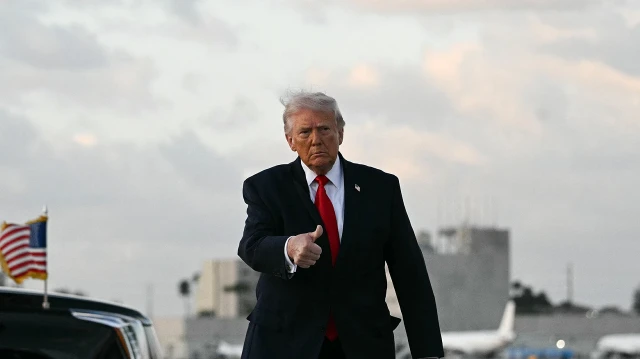
Donald Trump warned Iran to “get smart soon” and agree to a deal as his administration explored maintaining a months-long naval blockade targeting Tehran’s oil exports, according to a White House official.
Speaking after a meeting with major U.S. oil executives at the White House on Tuesday, officials said discussions focused on how to sustain pressure on Iran while limiting disruptions to global energy markets and shielding American consumers from rising fuel costs.
The talks come as diplomatic efforts to resolve the conflict remain stalled. Washington has intensified measures aimed at restricting Iranian oil shipments, part of a broader strategy to force Tehran to reopen the strategically vital Strait of Hormuz.
Trump, posting on Truth Social, criticized Iran’s leadership, saying it “couldn’t get its act together,” while urging a rapid agreement. “They don’t know how to sign a nonnuclear deal. They’d better get smart soon,” he wrote.
Oil markets reacted swiftly. Brent crude rose nearly 4% on Wednesday, hitting a one-month high amid concerns that prolonged disruptions in the Gulf could tighten global supply.
Tehran, however, signaled it would not back down. Iranian officials warned of “unprecedented military action” if the U.S. blockade continues, while reiterating that their nuclear programme is for peaceful purposes.
The standoff has already taken a heavy economic toll on Iran. The rial plunged to a record low of 1,810,000 to the dollar, according to local reports, marking a sharp depreciation in recent days. Inflation remains severe, with official figures showing prices rising by more than 65% over the past month.
Despite mounting pressure, Iran has proposed delaying nuclear negotiations until a formal end to hostilities is agreed, a position rejected by Washington, which insists the nuclear issue must be addressed upfront.
Meanwhile, U.S. officials are assessing potential next steps, including scenarios in which Trump could declare a unilateral victory, according to sources familiar with the matter.
The conflict has also reshaped Iran’s internal power structure following the deaths of several senior figures, including Supreme Leader Ali Khamenei in earlier strikes. His son Mojtaba has reportedly assumed a more prominent role, strengthening the influence of hardline factions.
At home, Trump faces growing criticism over the economic impact of the war, particularly rising fuel prices. His approval ratings have slipped, reflecting public concern over the cost and duration of the conflict.
With neither side showing signs of compromise, the risk of prolonged disruption in one of the world’s most critical energy corridors remains high.