
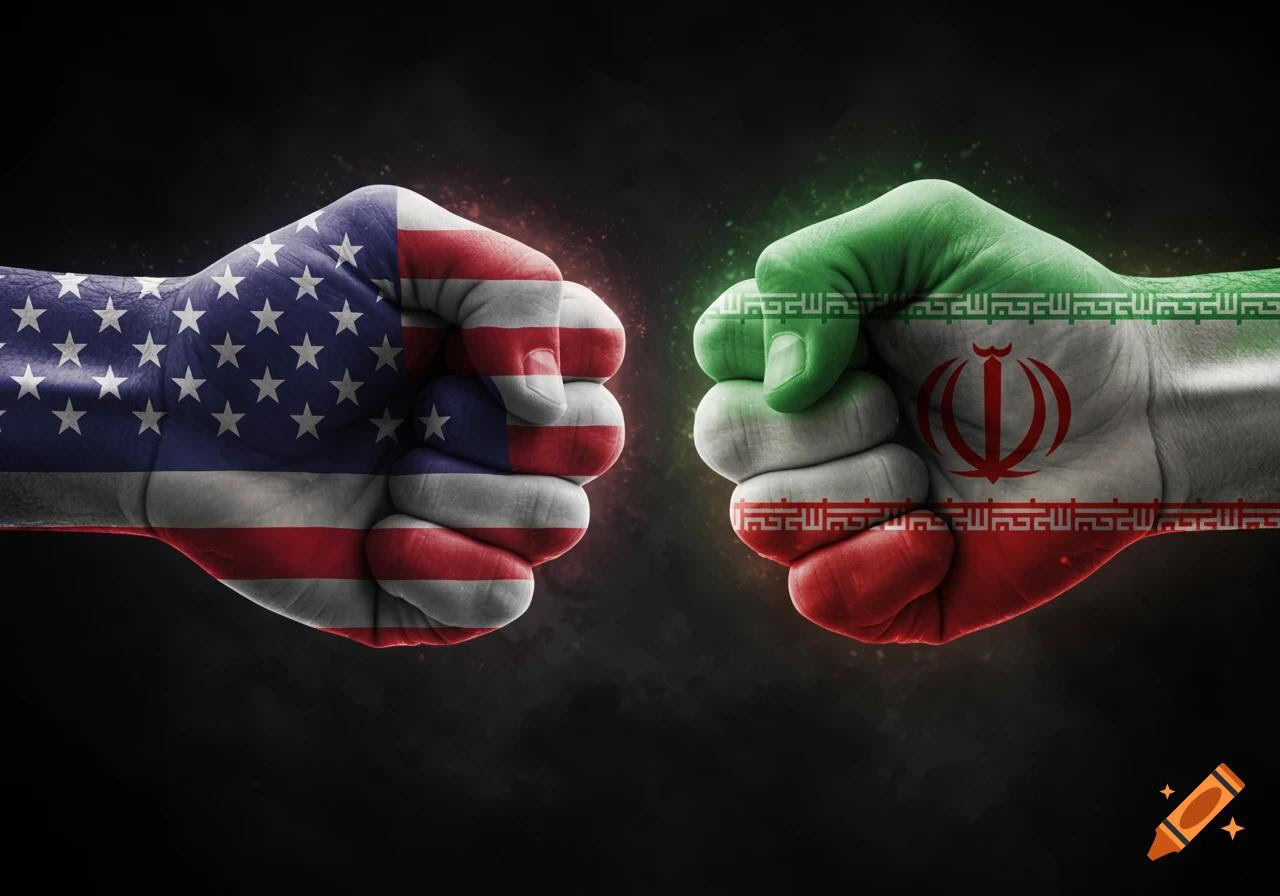
Iran has proposed reopening the Strait of Hormuz and ending a U.S. blockade as part of a phased deal, according to a senior Iranian official.
The proposal would postpone nuclear negotiations, placing them after an initial easing of military and economic tensions.
U.S. President Donald Trump rejected the latest Iranian offer, insisting Iran must never obtain a nuclear weapon under any agreement.
Speaking at the White House, Trump said he was weighing diplomacy against continued military pressure, without ruling out further escalation.
He told reporters that he prefers a negotiated settlement but warned against allowing the conflict to resurface in coming years.
Iran’s foreign minister said Tehran remains open to diplomacy if Washington changes its current approach.
The Strait of Hormuz, a vital global energy route, has become a central flashpoint in the confrontation.
Iran has restricted maritime traffic in the Gulf, while the United States has imposed its own blockade measures.
The proposed framework envisions an initial ceasefire backed by guarantees against renewed strikes by Israel or the United States.
Under the plan, sanctions relief and nuclear restrictions would be discussed in later negotiations.
Iran is demanding recognition of its right to enrich uranium for peaceful civilian purposes within any future agreement.
U.S. and Israeli bombing operations were suspended four weeks ago, yet no comprehensive settlement has emerged.
The prolonged standoff has disrupted global energy flows and heightened fears of wider economic instability.
Trump continues to face domestic pressure over rising fuel prices linked to tensions in the Gulf region.
Analysts warn the deadlock could deepen uncertainty across already volatile international markets.
Both sides remain publicly firm, even as backchannel diplomacy continues through intermediaries.