
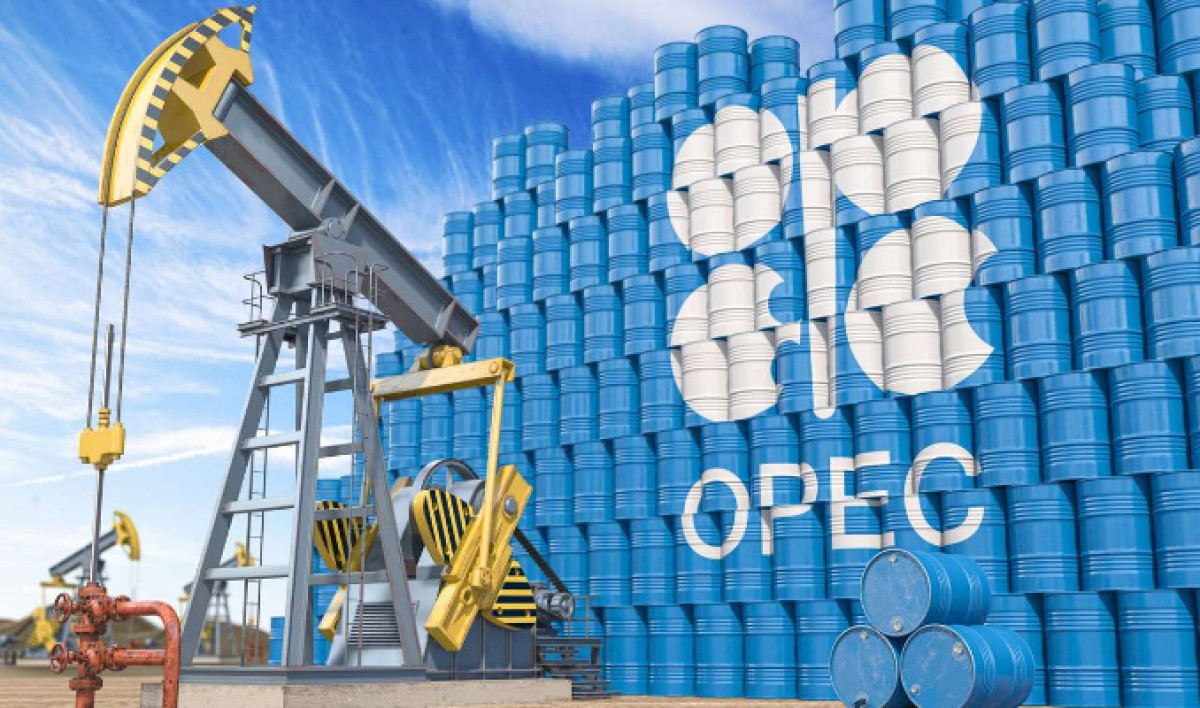
Seven members of OPEC+ agreed on Sunday to a modest production increase, signalling caution as geopolitical tensions tighten control over global energy flows.
The group, including Saudi Arabia and Russia, plans to raise output by 188,000 barrels per day starting in June.
Other participants, including Algeria, Iraq, Kazakhstan, Kuwait and Oman, framed the decision as a step toward market stability.
The announcement followed a virtual meeting held against the backdrop of mounting regional conflict and disrupted supply routes.
The increase appears largely symbolic as Iran continues to block the Strait of Hormuz, a vital artery for global energy trade.
Roughly one fifth of the world’s oil and natural gas typically flows through the narrow passage, now choked by war-linked restrictions.
The disruption, unfolding amid a U.S.-Israeli war, has halted significant Gulf exports and stripped millions of barrels per day from global supply.
Markets remain tense as traders weigh the gap between planned production increases and the sharp decline in available النفط.
The move also comes after United Arab Emirates exited the OPEC cartel, unsettling a decades-old alliance that shapes global oil prices.
Despite the shift, coordination between OPEC members and partners like Russia continues under the broader OPEC+ framework.
The seven countries said they will meet monthly to assess market conditions, compliance levels and potential adjustments to production targets.
They are scheduled to reconvene on June 7, as uncertainty continues to ripple through energy markets worldwide.