
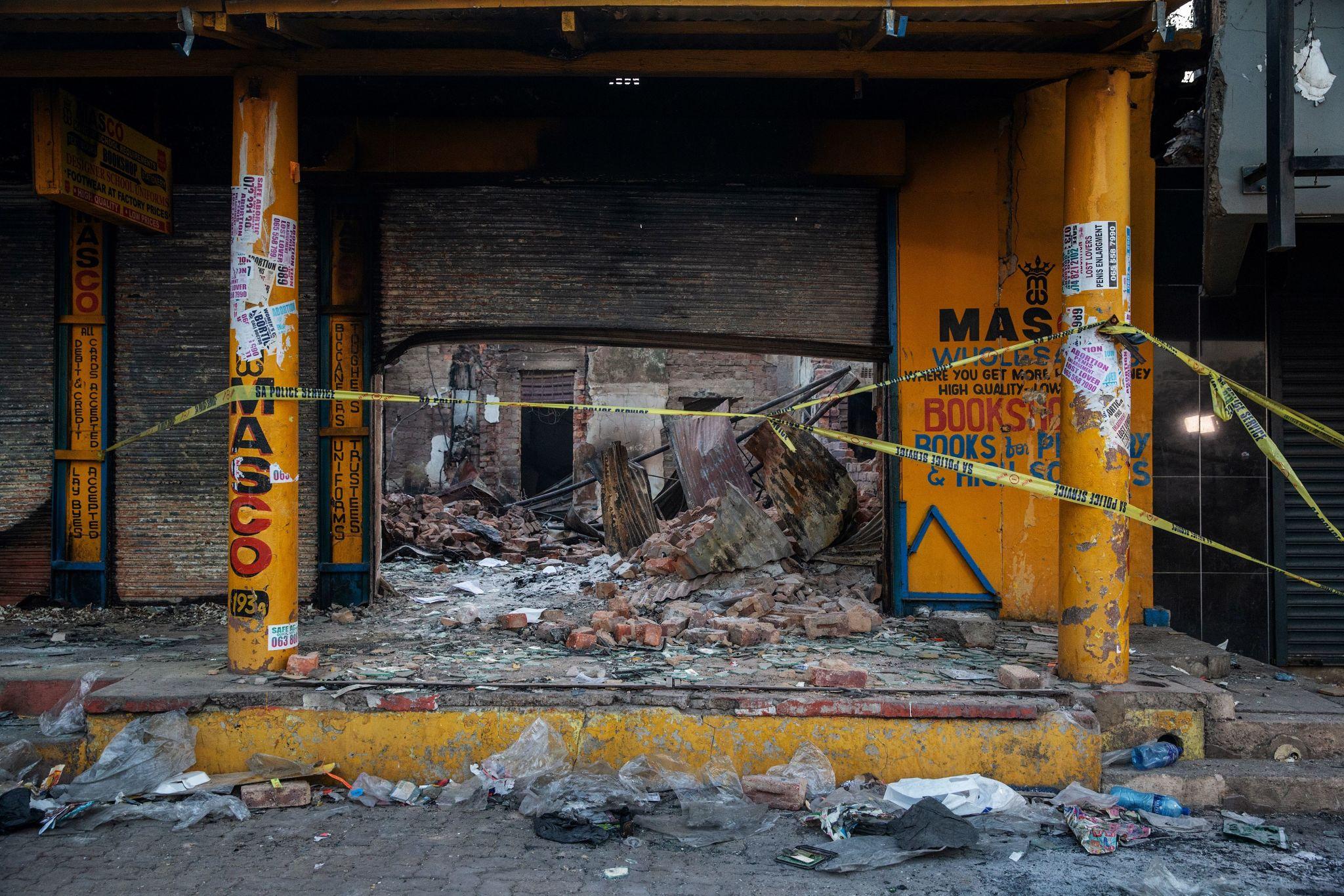
Several African countries, including Kenya, Malawi, Lesotho, and Zimbabwe, have urged their nationals in South Africa to exercise caution and, in some cases, remain indoors following a wave of attacks targeting foreign migrants.
The warnings come amid a surge in protests against illegal immigration, some of which have turned violent, with migrants from across sub-Saharan Africa reporting harassment and attacks.
Rights groups say foreign nationals are increasingly being scapegoated for South Africa’s economic challenges, particularly high unemployment, which exceeds 30% and disproportionately affects the Black majority.
Ghana said it had assisted in the safe return of a citizen who appeared to be targeted in a widely circulated video. Meanwhile, Nigeria announced it was repatriating at least 130 nationals following the deaths of two Nigerians.
In one video shared on social media, a man identified as Ghanaian is confronted by a crowd demanding proof of his legal status, with individuals questioning the authenticity of his documents and telling him to leave.
Regional leaders have also weighed in. Daniel Chapo, president of Mozambique, met with Cyril Ramaphosa earlier this week, calling for calm. Ghana has also formally raised the issue with the African Union, seeking coordinated action.
Xenophobic violence has periodically erupted in South Africa over the past two decades. Activist group Operation Dudula has led campaigns against undocumented migrants, at times preventing them from accessing public services such as healthcare.
The South African government has condemned the violence while acknowledging public frustration over illegal immigration.
“South Africans are within their right to protest against the spiralling illegal immigration challenge, but violence linked to those protests is not acceptable, and law enforcement must act against those responsible,” a cabinet statement said.
According to the national statistics agency Stats SA, the country’s immigrant population has grown steadily, rising from about 2% of the population in 1996 to roughly 4% in 2022, with most migrants originating from countries within the Southern African Development Community.