
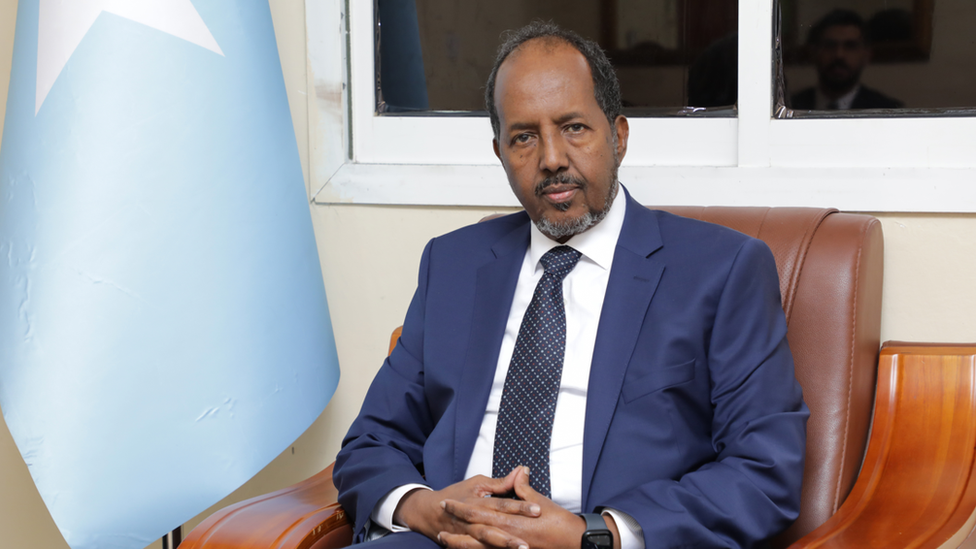
Somalia has entered a tense political transition following the expiration of President Hassan Sheikh Mohamud’s term this Friday.
Months of intense negotiations failed to yield a consensus between the federal government and deeply entrenched opposition factions.
The core dispute centers on Mohamud’s ambitious campaign to dismantle the traditional, clan-based voting system across the country.
He has consistently advocated for a modern democratic framework rooted firmly in the concept of universal citizen suffrage.
However, deeply rooted clan divisions and widespread territorial control by the Al-Shabaab insurgency have paralyzed nationwide voting.
Opposition leaders vehemently reject the initiative, characterizing it as a disguised strategy to centralize executive power in Mogadishu.
International mediators, including high-level diplomatic teams from Britain and the United States, failed to bridge the political chasm.
The presidency maintains its legitimacy based on a controversial constitutional amendment passed by the federal parliament in March.
This legislative adjustment effectively granted Mohamud an additional year in office to prepare the country for direct elections.
Dissident parties completely boycotted that parliamentary vote and now refuse to recognize any extension of the executive mandate.
The political opposition is threatening to orchestrate a parallel government structure by unilaterally appointing their own parliamentary members.
Observers fear this constitutional standoff could rapidly deteriorate, pushing the fragile Horn of Africa nation back toward civil conflict.