
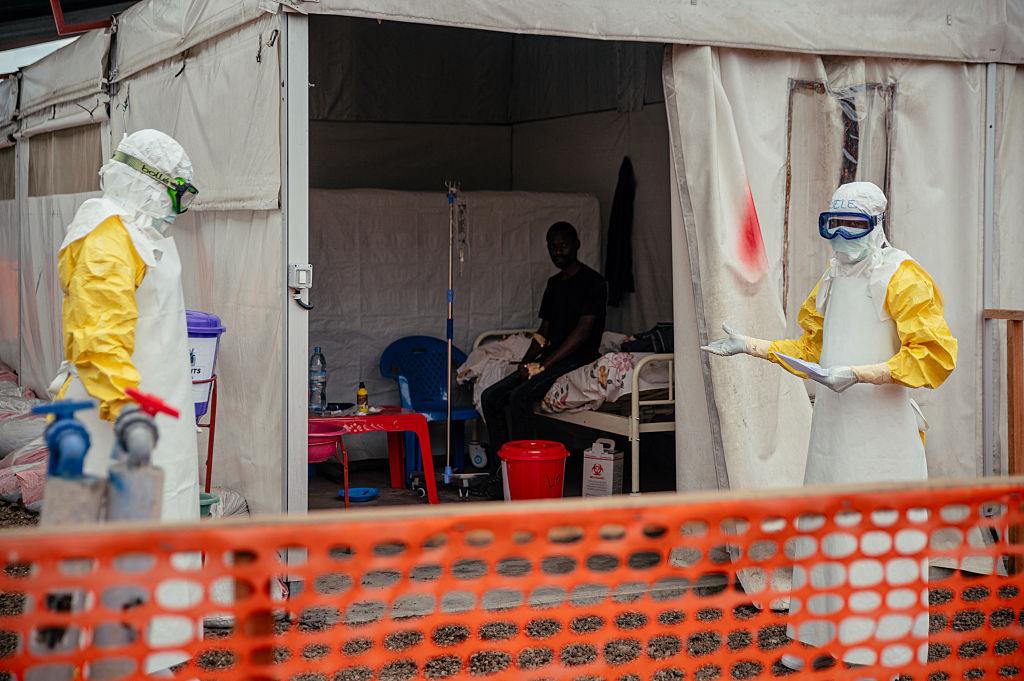
Doctors Without Borders has called for a rapid expansion of efforts to contain the Ebola outbreak in the Democratic Republic of Congo after confirmed infections surpassed 2,000 and the virus spread into new areas.
The medical charity, also known by its French acronym MSF, warned Wednesday that the epidemic was advancing faster than the response intended to control it.
According to a Health Ministry situation report, Congo had recorded 2,011 confirmed cases and 754 deaths as of Wednesday, giving the outbreak a case fatality rate of 37.5% since it was declared on May 15.
The virus has reached more than 40 health zones across five provinces: Haut-Uele, Ituri, North Kivu, South Kivu and Tshopo.
MSF said the outbreak was spreading at an unprecedented pace while surveillance, treatment and prevention efforts remained insufficient.
“Every delay costs lives. We are still chasing the outbreak instead of staying ahead of it,” said Trish Newport, MSF’s emergency program manager.
She warned that continued delays would lead to more infections, additional deaths and greater difficulty bringing transmission under control.
“We need stronger, more coordinated international action to move faster and improve access to both Ebola care and other essential health services,” Newport said.
The outbreak is caused by the Bundibugyo strain of the Ebola virus. MSF said it had become the third-largest and fastest-growing Ebola outbreak on record within just two months.
The World Health Organization said Tuesday that the number of affected health zones had risen from 36 to 42 over the previous week.
WHO has warned that the true scale of the outbreak could be between two and four times larger than official figures, with many new infections linked to previously unidentified chains of transmission.
The Africa Centers for Disease Control and Prevention has launched the first clinical trial in Congo and neighboring Uganda evaluating obeldesivir as post-exposure preventive treatment for Ebola.
MSF urged Congolese authorities and international humanitarian organizations to increase funding, personnel and supplies across the response.
The organization said urgent improvements were needed in community outreach, disease surveillance, laboratory testing, diagnosis, treatment and the safe and dignified management of bodies and burials.