
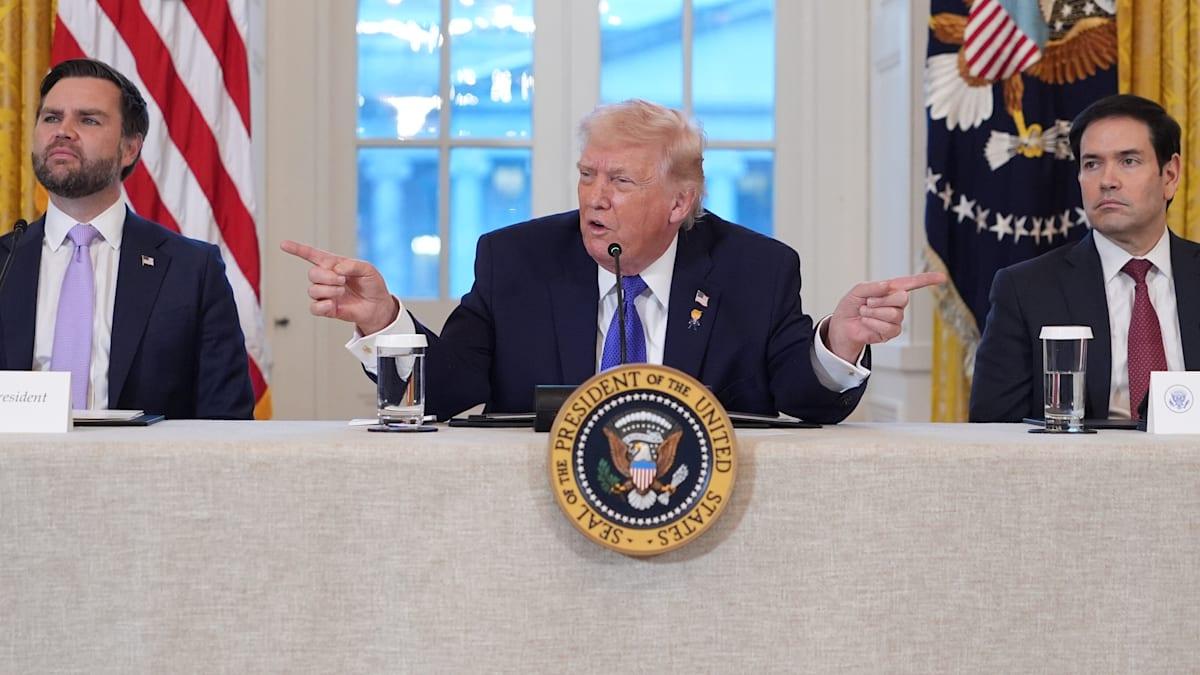
Internal disagreements within the Trump administration contributed to the suspension of US military strikes against Iran, CNN reported, citing officials familiar with a White House meeting on Friday.
Vice President JD Vance and Chairman of the Joint Chiefs of Staff General Dan Caine reportedly raised concerns about the consequences of further escalating the conflict during discussions convened by President Donald Trump to consider expanding US military operations.
The meeting came shortly before Washington halted its air campaign against Iran on Friday evening, ending nearly two weeks of consecutive nightly strikes. A US Defence Department source told CNN that military operations were now “on hold.”
According to the network, Caine warned about pressure on US ammunition reserves and the wider risks of intensifying the war. While he assured Trump that the military could carry out the proposed operations and meet their objectives, he also cautioned that escalation could produce serious consequences.
It remains unclear whether concerns over weapons stockpiles or the broader risks of escalation were the decisive factors behind the pause, or whether the suspension is only temporary.
Trump weighs escalation against diplomacy
White House communications director Steven Cheung told CNN that Trump preferred a diplomatic solution but continued to keep all options open should Iran maintain its activities in the Strait of Hormuz or launch further attacks against US allies.
Cheung said sanctions and sustained military strikes had caused significant damage to Iran and urged Tehran to reach a negotiated agreement.
Following Friday’s meeting with cabinet members and senior advisers, Trump said US officials remained engaged in negotiations with Iran. However, he also suggested that the air campaign could resume or be expanded, while claiming that Tehran had become more serious about talks.
Sources told CNN that Trump had continued trying to preserve diplomatic channels even after announcing that he was considering a major new attack on Iran.
Some officials reportedly believe that the United States has limited options for significantly escalating the campaign without deploying American ground forces.
Concerns over depleted weapons reserves
The discussions come amid previous CNN reports that US weapons reserves have fallen sharply and that a prolonged military campaign could place further pressure on American capabilities.
Caine and other senior military commanders had reportedly warned Trump before the war began that an extended campaign against Iran could drain key ammunition stockpiles.
Pentagon spokesperson Sean Parnell rejected suggestions that the US military lacked the necessary resources, saying American forces possessed the capabilities required to carry out missions ordered by the president.
He added that the military continued to maintain a broad range of weapons and defensive systems needed to protect US interests.
The debate highlights persistent divisions within the administration over how to balance military pressure on Iran with the dangers of a wider regional conflict and the need to keep negotiations open.
The New York Times separately reported that Trump had, for the moment, postponed plans to intensify military operations against Iran.
Administration officials told the newspaper that concerns over the depletion of Patriot interceptor missiles and other air-defence munitions had become a major factor behind the more cautious approach.
Officials were also reportedly concerned that a broader conflict could destabilise the region, disrupt global energy markets and trigger further economic and refugee crises.