
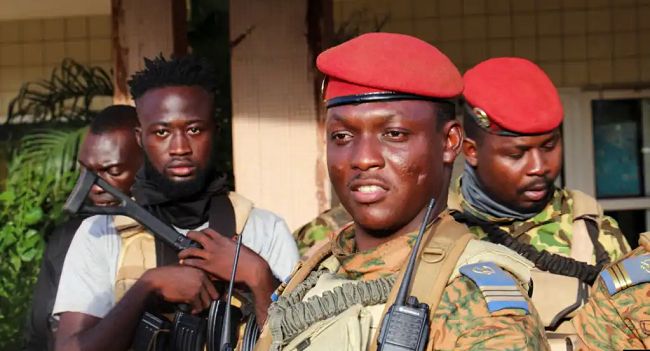
The Sahel region continues to face complex geopolitical shift, as detailed by Al Jazeera English. Captain Ibrahim Traoré came to power through a September 2022 military coup.
Traoré quickly gained continental renown by challenging traditional Western security relationships.
His government ousted French troops, built stronger ties with Russia, and severed relations with regional blocs like ECOWAS.
Drawing explicit inspiration from revolutionary icon Thomas Sankara, Traoré presents his platform as a battle for true economic and political self-reliance.
He has actively prioritized domestic agricultural investment, local manufacturing, and state ownership over national resources.
Supporters celebrate him as a bold standard-bearer of African sovereignty against former colonial powers.
However, the reality on the ground in Burkina Faso reveals a deeply challenging transition.
Long-standing conflicts involving groups linked to al-Qaeda and ISIL continue to displace millions across the country.
Critical observers note that security claims are difficult to verify independently due to restrictions on press and civil society.
Political freedoms have narrowed significantly after authorities extended military rule, dissolved political parties, and suspended electoral activities.
The administration recently broadened its state controls by passing a Religious Freedoms Law targeting prominent Sunni clerics.
Local citizens express pride in his anti-imperialist stance, yet express pressing concerns regarding everyday physical security.
Traoré’s presidency ultimately faces a definitive test: whether anti-colonial messaging can produce true stability and justice.