
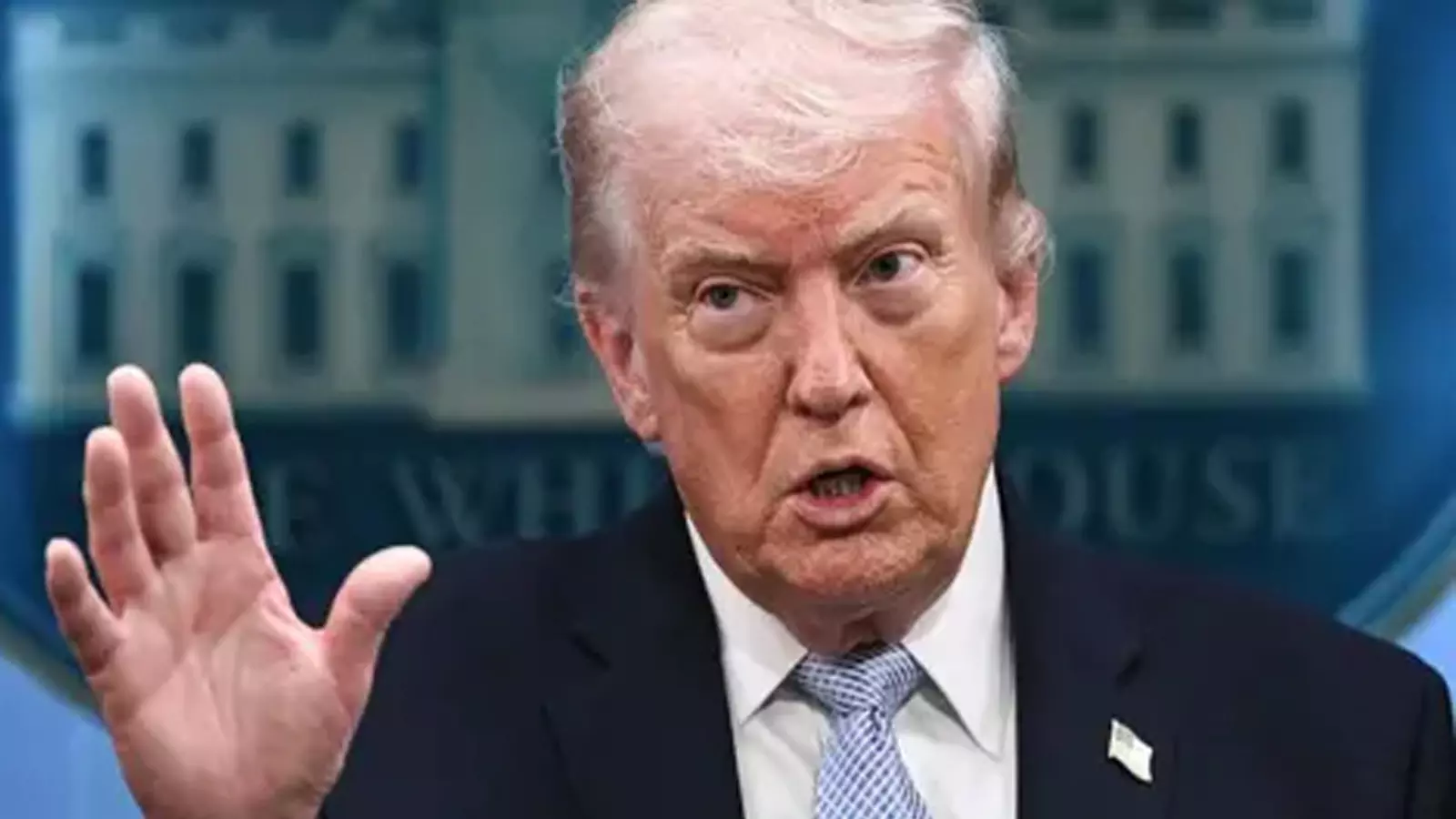
U.S. President Donald Trump has pivoted toward a campaign targeting Iran’s global commercial lifelines as military strikes give way to financial coercion.
Posting on social media, Trump threatened “tremendous economic consequences” for any nation maintaining commercial, banking, or maritime links with Tehran.
The strategy shift follows two weeks of night airstrikes that failed to force Iranian officials back to the negotiating table.
Defense advisers reportedly warned the White House that the military campaign had reached its limits, exhausting viable targets across Iran.
U.S. sanctions now aim directly at secondary trading partners, a move that risks a major economic confrontation with Beijing.
China remains Iran’s primary economic partner, complicating Washington’s attempts to enforce a total global blockade on Iranian petroleum exports.
Treasury officials intend to clamp down on illicit oil transfers, financial swap lines, and clandestine shadow tanker networks across the region.
Meanwhile, a U.S.-led naval operation continues enforcing a strict maritime blockade against Iranian ports inside the Strait of Hormuz.
Tehran has remained firm, with senior leadership advisers declaring that military posturing and economic blockades will not force a capitulation.
Iranian officials insisted they remain open to diplomatic dialogue, provided the U.S. does not mistake negotiations for unconditional surrender.
Simultaneously, regional dynamics shifted as the United Arab Emirates suspended all trade and financial transactions with Tehran following recent missile incidents.
The move severely fractures Iran’s commerce, cutting off a key partner that previously supplied over thirty percent of its imports.
Washington also reported its naval forces are escorting select international merchant vessels through the vulnerable Strait of Hormuz each night.
Analysts warned that secondary sanctions will fail to break Tehran’s resolve, ensuring the geopolitical stalemate drags on indefinitely.