
The United States has renewed its travel advisory for Mozambique, urging citizens to avoid the country’s turbulent northern regions entirely.
The State Department cited a volatile mix of terrorism, crime, unrest and fragile health infrastructure as the driving forces behind the warning.
Cabo Delgado province, the Niassa Special Reserve and parts of Nampula province were singled out as the most dangerous areas for travelers.
Armed militants remain active across northern Mozambique, capable of striking crowded public spaces and tourist sites without warning.
The advisory warned that attackers have previously stormed upscale hunting lodges tucked deep within remote, unguarded wilderness areas.
Security forces, the document cautioned, often struggle to respond swiftly once violence erupts in these isolated corners.
Beyond the threat of bloodshed, the State Department flagged Mozambique’s crumbling health system, where medicine shortages remain distressingly common.
Many clinics reportedly demand upfront cash payments, leaving emergency and routine medical care perilously out of reach.
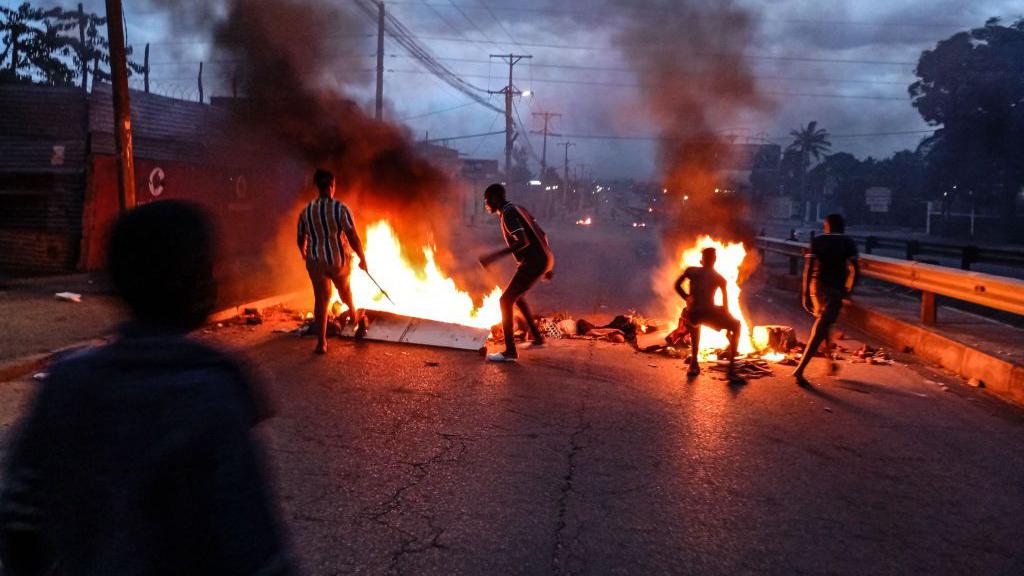
Washington further warned that spontaneous protests could erupt nationwide, swiftly turning violent and paralyzing major roads and border crossings.