
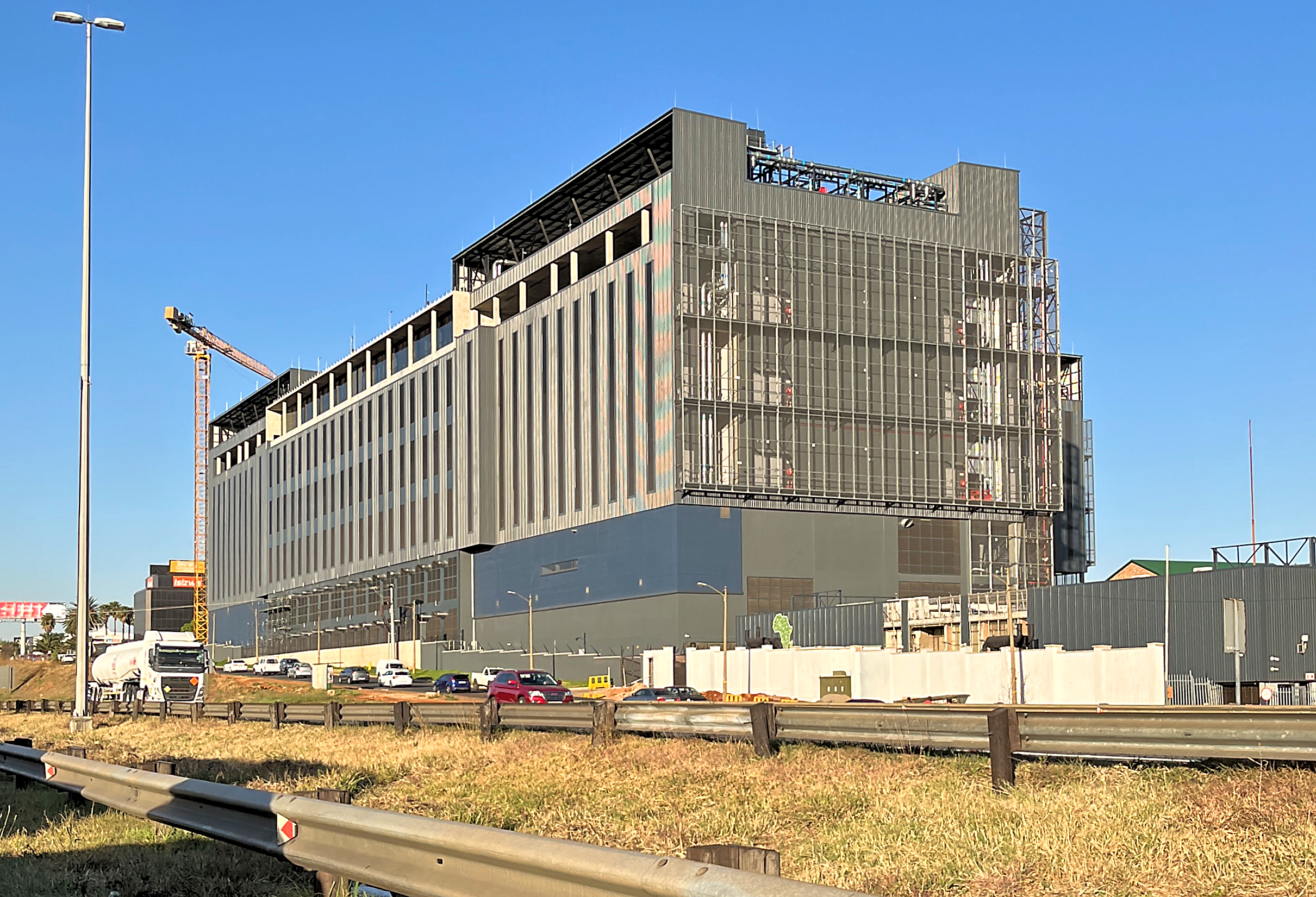
According to Africanews, Civil society groups in South Africa are calling for a temporary halt to new data centres amid concerns over water and electricity use.
South Africa has become Africa’s biggest data centre hub. Global technology companies are also expanding their digital infrastructure in the country.
However, campaigners want authorities to examine the impact of new facilities before approving more projects.
South Africa data centres face growing scrutiny
The South African Human Rights Commission is examining concerns surrounding the rapid growth of data centres.
The commission received more than 250 submissions after asking for public input in May.
One major concern is transparency.
According to the commission, more information is needed about how much electricity, water and land these facilities require. Questions have also been raised about their impact on surrounding communities.
South Africa currently hosts around 70% of Africa’s data centre capacity, according to President Cyril Ramaphosa.
The government sees the industry as an important opportunity for South Africa’s digital economy. It has therefore encouraged international technology companies to invest in the country.
Water and electricity concerns
A planned hyperscale data centre in Cape Town has become a particular focus of the debate.
Water use remains a sensitive issue in the city. In 2018, Cape Town narrowly avoided “Day Zero,” when officials warned that municipal water supplies could run critically low.
There are also concerns about electricity.
The planned facility could require an estimated 160 megawatts of power. South Africa has only recently emerged from years of widespread electricity shortages and load shedding.
However, the country’s electricity situation has improved.
Power utility Eskom has reported surplus electricity during the winter peak-demand period. Still, some civil society groups are concerned about large amounts of that power being allocated to data centres.
Industry defends South Africa data centres
Supporters of the industry say tighter rules do not have to discourage foreign investment.
Instead, they argue that clear regulations could provide certainty for investors while addressing environmental concerns.
Data centre operators also say South African facilities should not be directly compared with much larger centres in the United States.
Industry representatives say many local facilities increasingly use renewable energy and technologies designed to reduce water consumption.
They also argue that growing data centre demand is not responsible for electricity shortages or higher power prices.