
Imagine walking towards the ocean only to discover that the water has seemingly vanished.
In parts of Madagascar, the difference between high and low tide can dramatically transform the coastline. When the tide retreats, vast stretches of seabed, sand and tidal flats can suddenly appear.
The ocean hasn’t disappeared, of course. It has simply moved away from the shore.
Where does the ocean go?
The effect can be particularly striking along parts of Madagascar’s western coastline, where shallow coastal waters and large tidal ranges can expose extensive areas at low tide.
As the tide falls, water that covered the coastline only hours earlier retreats.
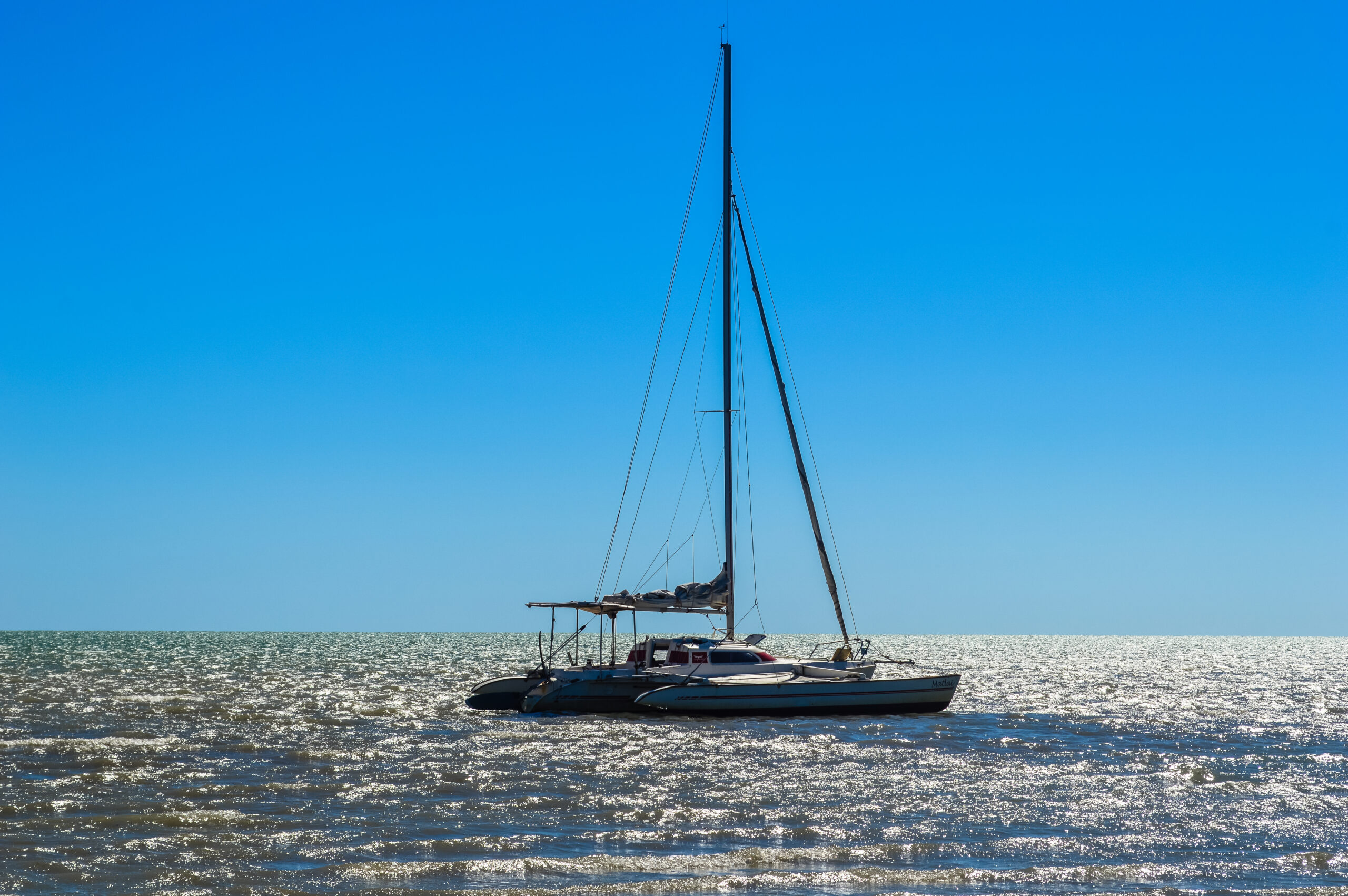
Boats can be left sitting on exposed sand or mud, while people can walk across areas that were previously underwater.
Several hours later, the tide returns and the landscape changes again.
Why does this happen?
Tides are mainly caused by the gravitational pull of the Moon and the Sun on Earth’s oceans.
But the size of a tide is also affected by the shape of the coastline and the depth of the surrounding seabed.
Madagascar’s western coast borders the Mozambique Channel, where local geography can produce substantial differences between high and low tide.
Because some coastal areas are very shallow, even a relatively small vertical drop in sea level can cause the shoreline to move a surprisingly long distance.
That creates the illusion that the ocean itself has disappeared.
Entire landscapes appear for a few hours
Low tide doesn’t simply reveal more beach.
It can expose sandbanks, mudflats, rocks and shallow marine environments that normally sit beneath the water.
These tidal zones are also important ecosystems.
Crabs, shellfish and other marine organisms live in areas that repeatedly move between being underwater and exposed to the air.
For coastal communities, the changing tides can also shape fishing, boat travel and daily life.
Then the ocean comes back
The transformation is temporary.
As the tide rises again, water gradually covers the exposed seabed and moves back towards the coastline.
Boats begin floating again. Sandbanks disappear. Areas that people could walk across hours earlier return underwater.
It is an everyday consequence of tides — but in the right place, the scale can make it look as though Africa’s coastline has swallowed an entire ocean and brought it back again.