
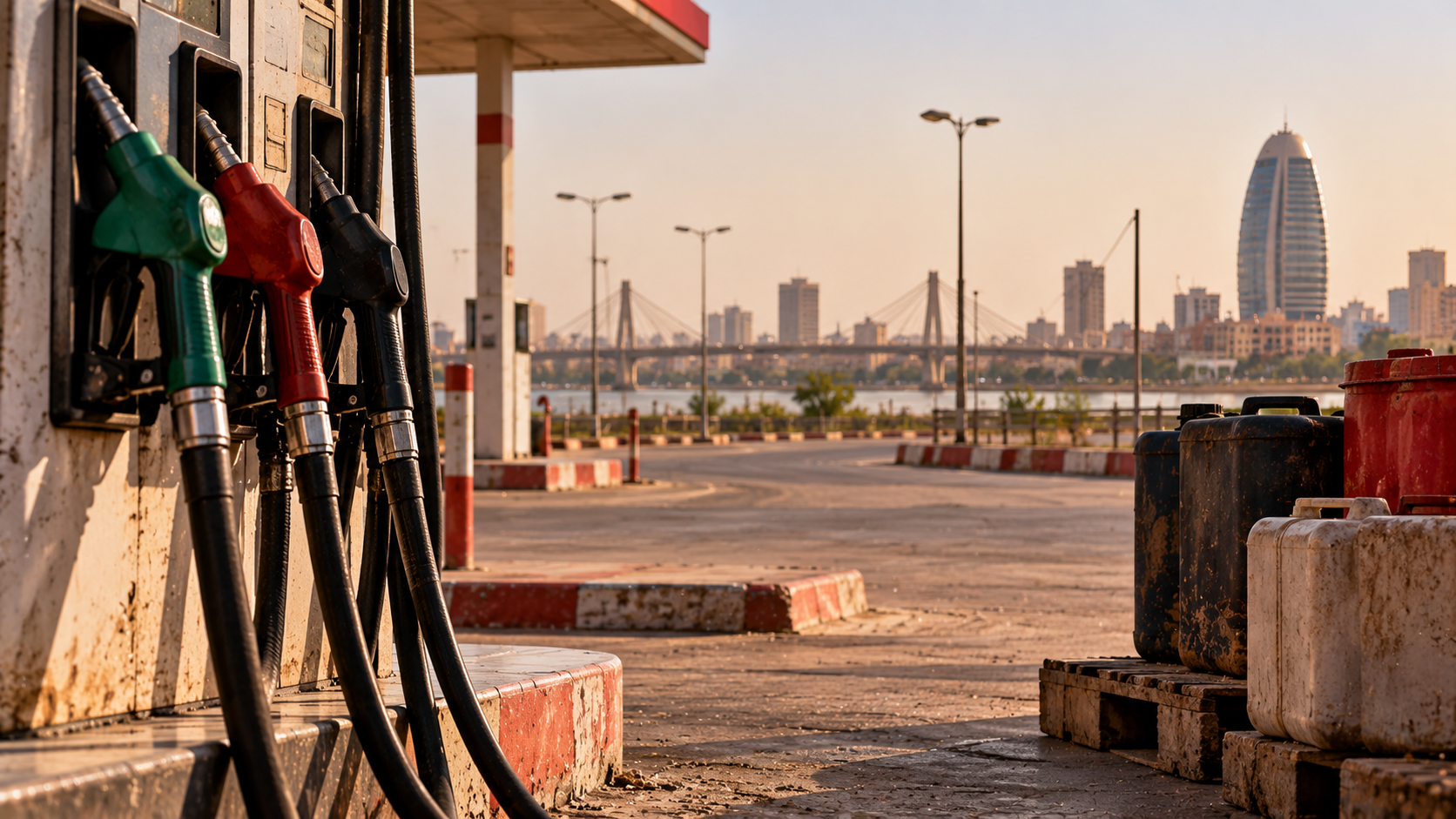
A Sudan fuel shortage is disrupting transport and businesses while increasing costs for households already facing severe economic pressure from the war.
The shortage has affected public transport, freight services and factory production. Rising transport costs have also contributed to higher food prices.
Africanews, citing news agencies, reported that the shortage has been linked to disruptions in global oil markets as well as restrictions affecting fuel imports into Sudan.
Fuel shortage disrupts daily life
Residents say the lack of fuel is making it increasingly difficult to move people and goods.
“The movement of goods and people has stopped, and the market is totally paralyzed, we need solutions, not promises,” Khartoum resident Mohamed Hassan said.
Prime Minister Kamil Idriss has ordered additional petroleum products to be supplied to service stations.
The measure is intended to increase availability and ease pressure on the market.
Import restrictions add pressure
The Sudan fuel shortage has also been linked to difficulties importing petroleum products.
According to the report, a central bank requirement obliges importers to deposit the equivalent of 200 kilograms of gold.
The requirement has limited the number of businesses able to participate in the fuel import market.
Analysts also pointed to foreign currency shortages and difficulties financing imports.
Another major problem is the prolonged shutdown of the al-Jaili refinery, which has affected Sudan’s domestic fuel supply.
Black market fuel trade grows
The shortage comes as Sudan’s war continues to damage the economy and disrupt supply networks.
Africanews reported that the supply crisis has contributed to increased black market fuel trading in areas controlled by the army-led authorities.
Higher fuel costs can also affect the prices of basic goods because businesses pay more to transport products.
For ordinary Sudanese, the shortage adds another layer of economic pressure after years of conflict and displacement.
Efforts to increase supplies could provide some relief. However, the broader problems affecting imports, refining and access to foreign currency remain significant challenges.