
The Djibouti migrant boat disaster has killed at least 109 people, including 15 children, while more than 116 others remain missing, according to the International Organization for Migration (IOM).
The vessel, carrying more than 300 migrants towards Yemen, capsized near Guhere on Djibouti’s eastern coast. More than 80 Ethiopian nationals survived as authorities continued search and rescue operations.
The International Organization for Migration (IOM) said survivors reported that the disaster occurred between late Thursday night and early Friday morning.
More than 80 people, all Ethiopian nationals, survived the incident, while Djiboutian authorities continued search and rescue operations.
The tragedy highlights the dangers facing migrants travelling along one of the world’s busiest migration routes between the Horn of Africa and the Arabian Peninsula.
Djibouti migrant boat disaster leaves hundreds dead or missing
The IOM confirmed that at least 109 people had died, including 15 children, while more than 116 remained unaccounted for.
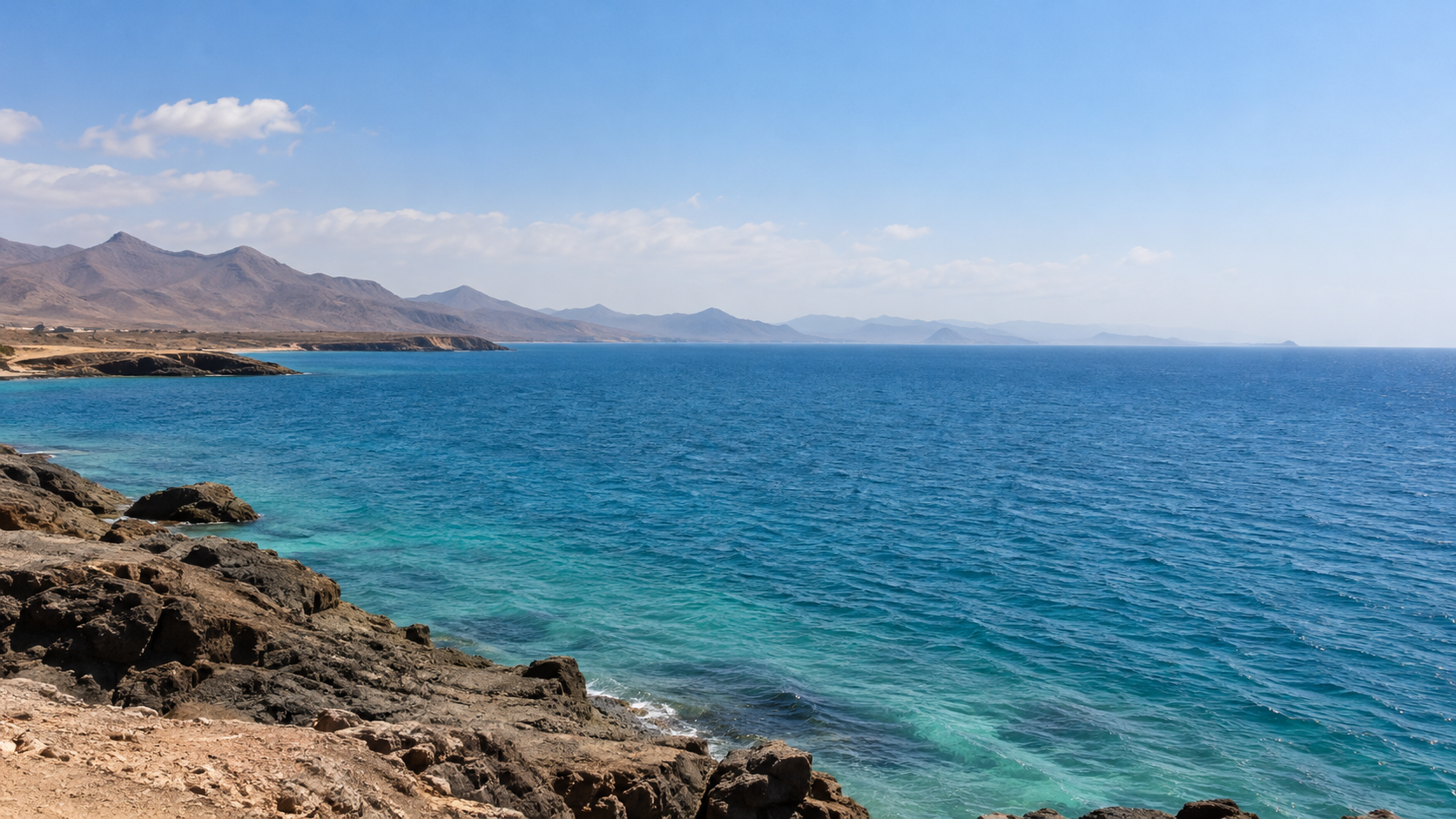
The boat was reportedly carrying more than 300 passengers when it capsized near Guhere, close to the Gulf of Aden and the Bab al-Mandeb strait.
Survivors described the incident to migration officials, who have been working alongside local authorities to provide emergency assistance.
Alexandre Coissac, the IOM’s chief of mission in Djibouti, expressed sorrow over the loss of life and said humanitarian teams were supporting rescue efforts.
He described the disaster as a reminder of the serious risks migrants face while searching for employment and economic opportunities.
The agency said its teams were providing emergency assistance to survivors and coordinating with local authorities.
Search operations continued as officials worked to locate those still missing.
Why migrants risk the dangerous journey to Yemen
Djibouti is a major transit point for migrants travelling from the Horn of Africa towards Yemen and Gulf countries.
Many migrants, particularly those from Ethiopia, cross the Bab al-Mandeb strait in hopes of finding employment and improving their living conditions.
The waterway separates the Horn of Africa from the Arabian Peninsula and measures approximately 20 kilometres at its narrowest point.
Despite the relatively short distance, the crossing can be dangerous because of overcrowded vessels, difficult maritime conditions and the risks associated with irregular migration.
Migrants often face further challenges after reaching Yemen, where years of conflict have created insecurity and severe humanitarian needs.
Nevertheless, thousands continue to attempt the journey each month.
More than 20,000 migrants entered Djibouti from Ethiopia
The IOM reported more than 20,000 migrant movements into Djibouti from Ethiopia since September 10.
The figures illustrate the continued movement of people along the Eastern Route, which connects East Africa with Yemen and other destinations in the Arabian Peninsula.
According to the agency, more than half a million people attempted to travel along this route into Yemen in 2025.
At least 900 migrants were reported dead or missing along the route during that year.
The latest shipwreck adds to the human cost of migration across the Gulf of Aden.
While many migrants are motivated by economic opportunities, others leave their communities because of insecurity and difficult living conditions.
The risks do not end at sea, as migrants may also face exploitation, violence and limited access to essential services during their journeys.
Yemen conflict adds to migration challenges
The latest tragedy comes as fighting in Yemen has intensified, creating additional concerns for people travelling between East Africa and the Arabian Peninsula.
Renewed hostilities between Yemen’s internationally recognised government and Houthi forces have increased instability in the region.
Despite the security situation, migrants continue to travel towards Yemen, often intending to move onwards to other Gulf countries.
At the same time, Djibouti has received people fleeing Yemen because of the renewed conflict.
This has placed the country in a complex position as both a transit point for migrants heading towards Yemen and a destination for people escaping insecurity there.
Humanitarian organisations have warned about the dangers facing migrants along the Eastern Route and the need for stronger protection measures.
Search and rescue operations continue
Djiboutian authorities and humanitarian teams continued their efforts to locate missing passengers following the shipwreck.
The IOM said it was working with local officials to support survivors and respond to the emergency.
With more than 116 people still missing, the final death toll remained uncertain.
The disaster has once again drawn attention to the dangers faced by migrants crossing the Gulf of Aden in search of employment, safety and better opportunities.
For families across the Horn of Africa, the latest tragedy represents another devastating loss along a migration route that continues to claim hundreds of lives.