
Former fighters from the Democratic Forces for the Liberation of Rwanda (FDLR) are returning home after years in eastern Democratic Republic of Congo (DR Congo), seeking to rebuild their lives and reunite with their families.
Many say their decisions were driven by disillusionment with the armed group, concerns about personal safety and a desire to return to civilian life.
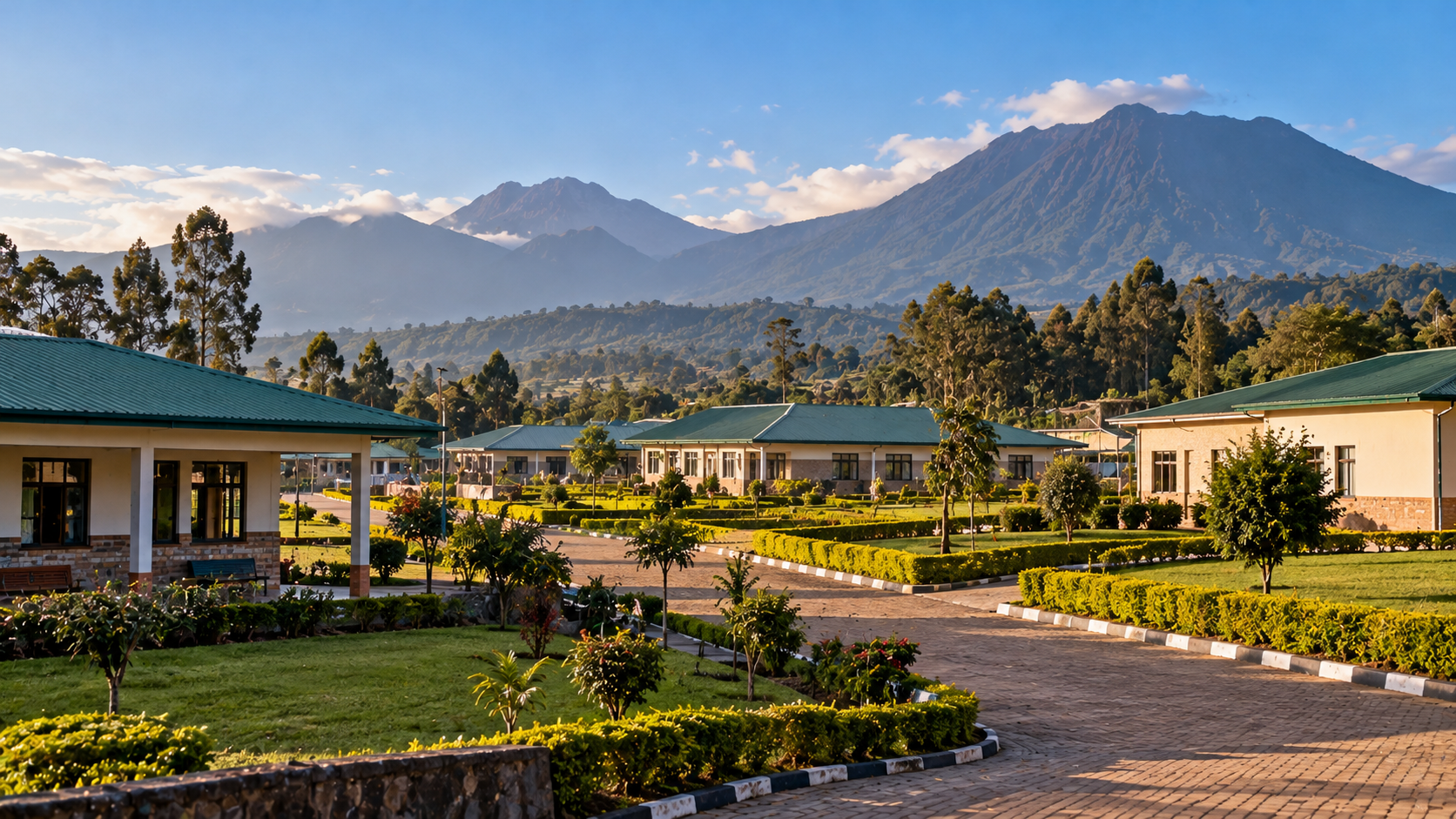
According to Al Jazeera’s reporting from Rwanda, former FDLR members are undergoing rehabilitation at the Mutobo Demobilisation and Reintegration Centre in Musanze, where they receive support before returning to their communities.
Their experiences highlight the challenges of leaving armed groups and rebuilding trust after years of conflict.
Former FDLR fighters describe their return to Rwanda
Jean Claude Hategekimana, a former FDLR captain, said he once believed returning to Rwanda would cost him his life.
Born in western Rwanda in 1996, he moved to DR Congo with his parents and grew up in an area controlled by the armed group.
He joined the FDLR in 2018, underwent military training and eventually reached the rank of captain.
After participating in fighting around Goma, he fled to Masisi before deciding to return home.
Hategekimana arrived in Rwanda on February 24, 2026.
He told Al Jazeera that members of the FDLR had been warned they would be killed if they returned to Rwanda.
However, he said his experience after arriving challenged those beliefs.
His account reflects the fears that can prevent former fighters from leaving armed groups, even when they want to return home.
What is the FDLR?
The Democratic Forces for the Liberation of Rwanda emerged in the aftermath of the 1994 genocide against the Tutsis in Rwanda.
Following the genocide, members of Rwanda’s former armed forces and militia groups fled into what was then Zaire, now DR Congo.
The FDLR subsequently became an armed group operating in eastern Congo.
The Rwandan government accuses the organisation of carrying out attacks against Rwanda and contributing to insecurity along the border.
Its presence has remained a significant issue in relations between Rwanda and DR Congo.
Years of conflict have also complicated efforts to persuade members to disarm and return to civilian life.
Rwanda’s Mutobo centre helps former fighters reintegrate
The Mutobo Demobilisation and Reintegration Centre was established in 2001 to receive former members of the FDLR and other Rwandan armed groups returning from DR Congo.
Francis Musoni, secretary-general of the Rwanda Demobilisation and Reintegration Commission, told Al Jazeera that the centre provides medical care, psychosocial support and civic education.
Former fighters also receive assistance reconnecting with relatives.
The programme allows participants to contact family members and, in some cases, make short visits to their home communities.
According to Musoni, these visits help returnees rebuild confidence before permanently resettling.
The average stay at the centre is approximately five months.
After completing the programme, participants undergo a formal discharge process and may receive further support.
Former commanders explain why they left the FDLR
Several former FDLR commanders interviewed by Al Jazeera described different reasons for abandoning the organisation.
Anastase Munyaneza, a former senior commander who had served in Rwanda’s armed forces during the 1994 genocide, said contact with his family influenced his decision.
While living in DR Congo, he continued receiving news from relatives in Rwanda.
He learned that family members were attending school, working and building their lives.
Their experiences made him question why he remained in the forest.
Munyaneza said he eventually contacted the United Nations peacekeeping mission in DR Congo, known as MONUSCO, which helped facilitate his return.
Another former commander, Idrissa Bizimana, said he no longer believed in the ideology he had promoted while serving in the FDLR.
Bizimana, who had been involved in recruitment and propaganda, said he contacted a MONUSCO official to arrange his departure.
He reported that a helicopter was sent to retrieve him after he shared his location.
Internal disputes and safety fears influence departures
Other former members described growing concerns about their safety within the armed group.
Emilien Mpakaniye, who joined the FDLR in 1998 and later handled economic affairs, said he became increasingly disillusioned with the organisation.
He questioned the differences between the living conditions of senior commanders’ families and those of ordinary fighters.
Augustin Nshimiyimana, a former intelligence commander, said he decided to leave after another commander accused him of cooperating with Rwanda.
He feared the accusation could place his life in danger.
Nshimiyimana returned to Rwanda in 2022 and underwent rehabilitation at Mutobo.
Their accounts suggest that internal tensions, changing beliefs and family considerations have all influenced decisions to leave the FDLR.
Education and employment support civilian reintegration
Returning home is only the first step for former fighters who have spent years outside civilian society.
At Mutobo, participants receive educational and practical assistance to prepare for life after discharge.
Febronie Mukankiko, a teacher at the centre, told Al Jazeera that working with adults who grew up in armed-group environments requires specialised teaching methods.
Some participants have had limited access to formal education.
Completing courses and receiving certificates can therefore represent an important personal achievement.
The reintegration programme may also provide vocational training, financial assistance and support for income-generating activities.
The Rwanda Demobilisation and Reintegration Commission says it follows up with former participants to assess their adjustment to community life.
Rebuilding lives after years of conflict
For former FDLR fighters, returning to Rwanda can involve overcoming years of fear, separation and uncertainty.
Their accounts describe a combination of changing convictions, family connections and concerns about their futures.
While rehabilitation programmes provide a pathway back to civilian life, reintegration also depends on employment opportunities, community acceptance and long-term stability.
The experiences reported at Mutobo offer insight into the difficult transition from armed conflict to civilian society.
For those returning after years in eastern DR Congo, the challenge is no longer only leaving the armed group but also establishing a sustainable future at home.