
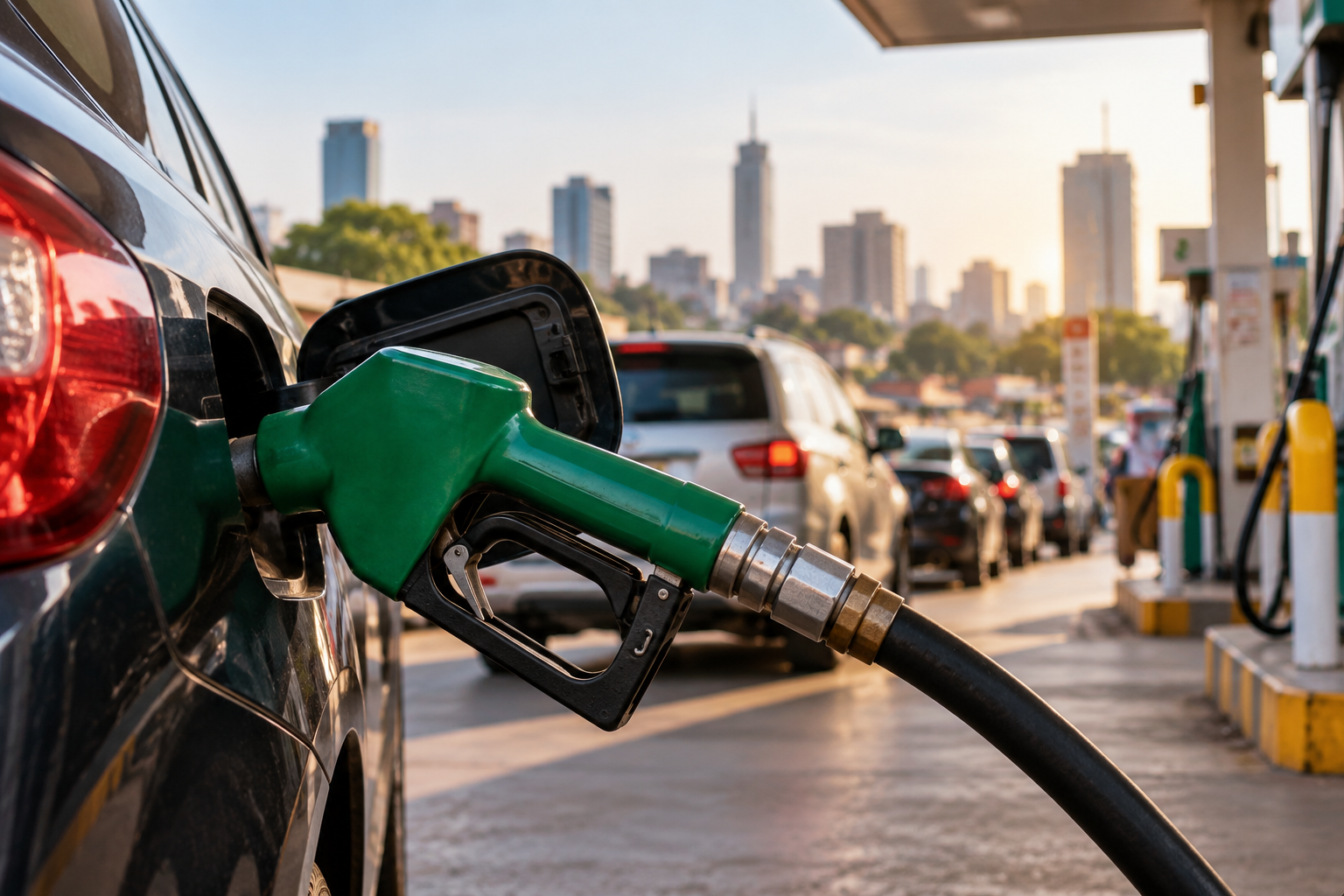
Malawi has the highest petrol prices in Africa in October 2026, with motorists paying $3.23 per litre, according to figures from GlobalPetrolPrices.
Zimbabwe and Sierra Leone follow, with petrol prices exceeding $2 per litre.
The latest rankings highlight the high cost of fuel in several African countries. Expensive petrol affects transport, businesses and household spending.
According to Business Insider Africa, some countries recorded slight price reductions in October. However, others experienced increases.
Malawi tops Africa’s fuel price rankings
Malawi ranks first in Africa, with petrol costing $3.226 per litre. The country also holds the second-highest position globally.
Zimbabwe follows in second place, with petrol priced at $2.050 per litre. It ranks 34th worldwide.
Sierra Leone takes third place at $2.033 per litre, placing it 36th globally.
Cape Verde ranks fourth in Africa, with petrol costing $2.002 per litre. The island nation holds 40th place worldwide.
Meanwhile, Rwanda occupies fifth place, with petrol priced at $1.991 per litre. It ranks 42nd globally.
The Central African Republic follows in sixth place, with petrol costing $1.967 per litre. Its global ranking is 49th.
South Africa ranks seventh, with petrol priced at $1.819 per litre. The country holds 58th place worldwide.
Seychelles comes eighth, with petrol costing $1.774 per litre. It ranks 61st globally.
Lesotho takes ninth place at $1.745 per litre, placing it 65th worldwide.
Finally, Kenya completes Africa’s top 10, with petrol priced at $1.735 per litre. The country ranks 67th globally.
Which African countries saw fuel prices change?
Several African countries experienced changes in petrol prices between September and October.
According to Business Insider Africa, Malawi, Zimbabwe, Rwanda and Seychelles recorded slight reductions.
Meanwhile, Cape Verde, the Central African Republic and Kenya experienced marginal increases.
Sierra Leone’s petrol prices remained unchanged.
The latest rankings also include two new countries.
South Africa and Lesotho entered the top 10 in October, replacing Uganda and Senegal.
These changes highlight how fuel prices can fluctuate across African economies.
Kenya faces higher petrol prices
Kenya experienced a notable increase in petrol prices during October.
On October 15, petrol prices reportedly rose by 12.93 Kenyan shillings per litre, reaching 226.96 shillings.
The increase raised concerns among transport operators and businesses.
Higher fuel costs can lead to more expensive public transport and delivery services.
Meanwhile, manufacturers may face additional production and distribution expenses.
As a result, consumers could pay more for everyday goods.
Why are fuel prices high in Africa?
Several factors influence petrol prices across African countries.
One major factor is dependence on imported petroleum products.
Countries that rely heavily on fuel imports can face higher costs when global oil prices increase.
Exchange rates also play an important role.
When local currencies weaken against the US dollar, importing petrol becomes more expensive.
In addition, taxes, transport expenses and domestic fuel policies can affect prices at petrol stations.
These factors help explain why fuel prices differ between African countries.
Higher fuel costs affect businesses and households
Expensive petrol affects more than motorists.
Transport companies face higher operating costs when fuel prices rise.
Farmers and traders may also spend more transporting goods to markets.
Consequently, increased delivery expenses can contribute to higher food prices.
Businesses face similar challenges.
In June 2026, S&P Global reported that 36 percent of surveyed companies in sub-Saharan Africa experienced higher purchasing costs linked to fuel prices.
Such increases can reduce profit margins and limit investment.
Meanwhile, households may have less money available for essential expenses.
African economies face continued fuel challenges
The October rankings highlight the differences in petrol prices across Africa.
While some countries recorded slight reductions, others continued to experience increases.
For fuel-importing economies, changes in international oil markets remain a major concern.
Improving fuel supply chains and developing affordable transport alternatives could help reduce the impact of future price increases.
For now, petrol prices remain an important factor affecting transport, businesses and household spending across the continent.