
Britain has ruled out a formal apology for its role in the transatlantic slave trade, despite growing demands for reparations from African and Caribbean nations.
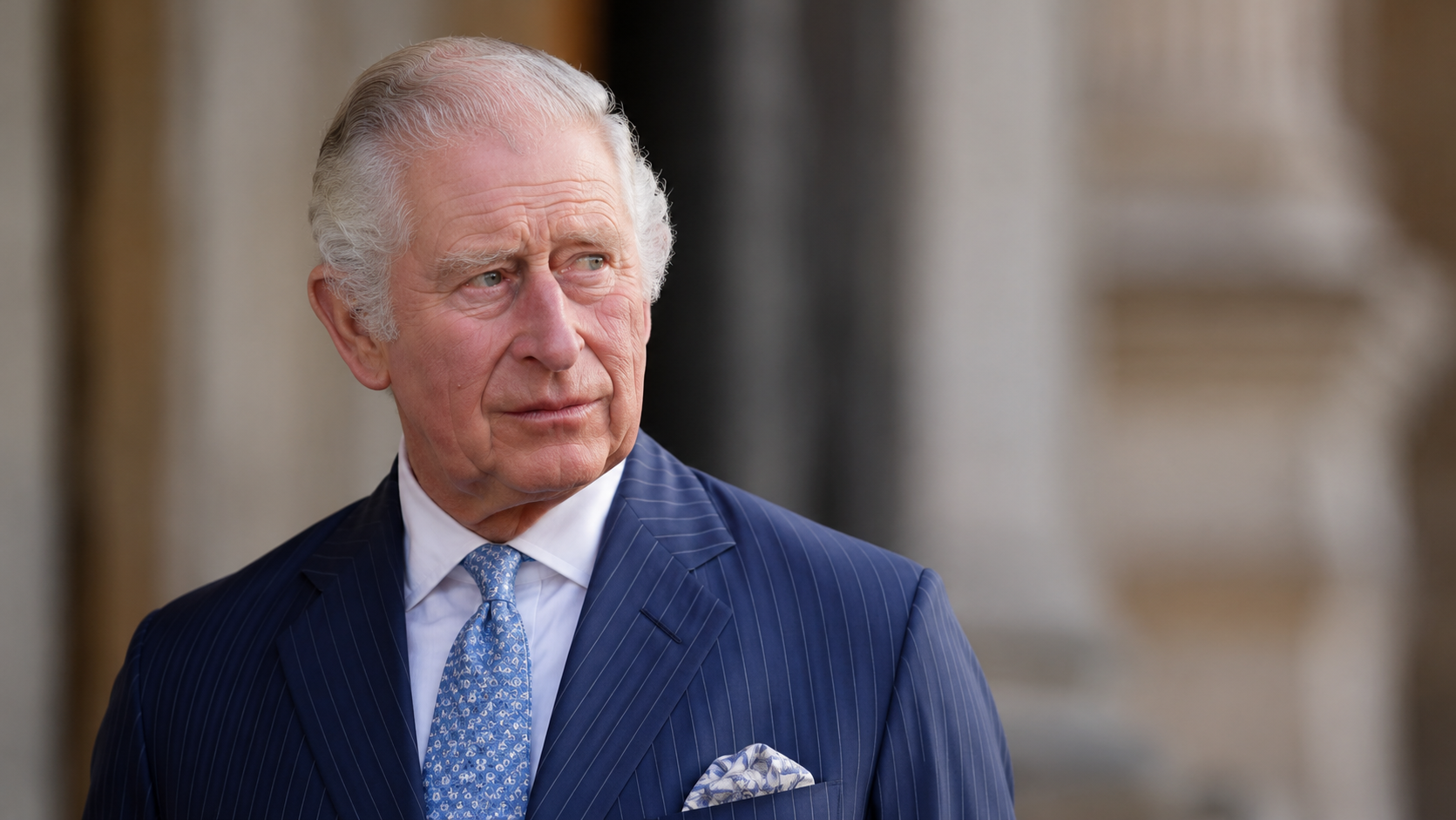
The decision comes as King Charles III begins a Caribbean tour on October 27.
The British monarch is expected to acknowledge the country’s historical involvement in slavery. However, Buckingham Palace has confirmed that he will not issue a formal apology.
The position has renewed debate over Britain’s colonial past and its responsibility towards descendants of enslaved Africans.
King Charles begins Caribbean tour amid reparations debate
King Charles III and Queen Camilla are visiting the Bahamas, Guyana and Antigua and Barbuda.
The trip runs from October 27 to November 4.
It coincides with the Commonwealth Heads of Government Meeting, where reparations are expected to be discussed.
According to Business Insider Africa, Buckingham Palace has confirmed that Charles will recognise Britain’s involvement in slavery without offering a formal apology.
Meanwhile, Reuters reported that the British government continues to oppose both an official apology and financial compensation.
The position has disappointed campaigners who argue that acknowledgement alone is insufficient.
They want Britain to take concrete steps to address the historical and continuing consequences of slavery.
Ghana leads Africa’s campaign for slavery reparations
Ghana has emerged as a leading voice in Africa’s push for reparatory justice.
President John Dramani Mahama has played a prominent role in coordinating international efforts.
Mahama also serves as the African Union’s champion on reparations.
In March 2026, the United Nations General Assembly adopted a resolution recognising the trafficking and enslavement of Africans as the gravest crime against humanity.
The resolution received 123 votes in favour, three against and 56 abstentions.
Ghana has also worked to strengthen cooperation between African and Caribbean governments.
In June, the country hosted an Africa-Caribbean conference focused on reparatory justice.
The meeting produced the Accra Next Steps Commitments on Reparatory Justice.
The framework called for formal apologies, compensation and the return of cultural artefacts.
It also proposed measures to address the lasting economic effects of slavery and colonialism.
Jamaica seeks legal action over Britain’s slavery legacy
The reparations campaign is also gaining momentum in the Caribbean.
In September, Jamaica formally petitioned King Charles to refer questions about Britain’s responsibility for slavery to the Judicial Committee of the Privy Council.
The petition seeks legal consideration of possible remedies for the enslavement of Africans in Jamaica.
It received support from the Caribbean Community (CARICOM) and Ghanaian President Mahama.
The initiative represents another effort to move the reparations debate beyond political statements.
Caribbean leaders have also called for the issue to receive greater attention within the Commonwealth.
Hilary Beckles, chairman of the CARICOM Reparations Commission, has urged King Charles to support discussions on reparatory justice.
Commonwealth Secretary-General Shirley Ayorkor Botchwey has also supported serious dialogue on the issue.
Why are African nations demanding reparations?
The transatlantic slave trade forcibly transported millions of Africans across the Atlantic.
Enslaved people were subjected to forced labour, violence and the denial of basic rights.
European colonial powers and commercial interests benefited economically from the system.
Today, reparations advocates argue that the consequences continue to affect African and Caribbean societies.
Their demands extend beyond financial compensation.
They include official apologies, cultural restitution, historical recognition and measures to address economic inequalities.
Supporters believe these steps are necessary to confront the legacy of slavery.
However, the British government has maintained its opposition to formal apologies and financial reparations.
Will Britain reconsider its position?
The growing campaign has increased diplomatic pressure on London.
African and Caribbean leaders are seeking greater international recognition of slavery’s lasting consequences.
Ghana’s efforts at the United Nations have helped bring the issue into wider diplomatic discussions.
Meanwhile, Jamaica’s legal initiative could create another avenue for addressing historical responsibility.
King Charles’s Caribbean visit has placed the debate back in the international spotlight.
For now, Britain remains unwilling to commit to an official apology or financial compensation.
The central question is whether growing international pressure will eventually lead to formal negotiations on reparatory justice.