
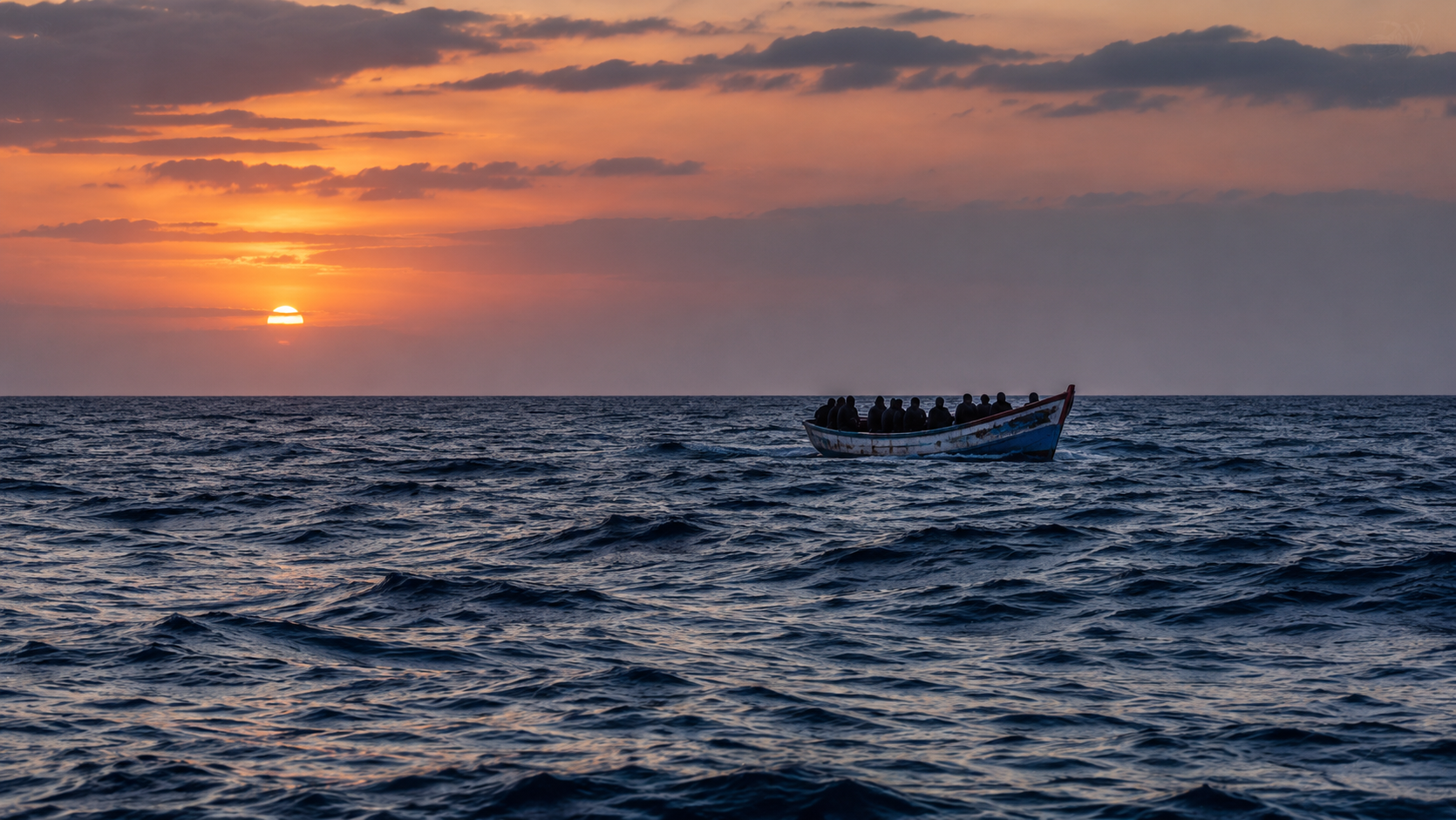
Spain’s Canary Islands are facing a new migration emergency after more than 3,300 migrants and refugees arrived on El Hierro in the first week of November.
Authorities on the small Spanish island have declared an emergency and requested urgent assistance from the national government.
The arrivals have placed growing pressure on accommodation, transport and healthcare services.
According to Al Jazeera, AFP and Reuters, around 30 boats have reached El Hierro since the beginning of November.
The island has a population of approximately 11,400 people.
Canary Islands migration surge strains services
Alpidio Armas, head of El Hierro’s governing council, said the sharp increase in arrivals had raised serious concerns.
He explained that the emergency declaration would allow closer cooperation with regional and national authorities.
Meanwhile, officials are searching for temporary accommodation for newly arrived migrants and refugees.
The island’s hospital is also struggling to manage the situation.
As a result, medical workers have been brought in from other Canary Islands.
Buses have also been redirected to support migration operations.
Canary Islands regional president Fernando Clavijo described the pressure on local services as unsustainable.
More than 3,200 rescued in six days
Maritime rescue teams rescued 3,261 migrants and refugees near the Canary Islands during the first six days of November.
Officials say arrivals are approaching the record levels recorded in 2024.
On some days, the number of people reaching the islands has exceeded the pace seen during that year.
However, the latest surge follows a period of declining arrivals.
Spain’s Interior Ministry recorded 13,327 sea arrivals between January and October 2026.
That was 5.5% fewer than during the same period in 2025.
Atlantic migration route remains deadly
The Atlantic crossing from West Africa to the Canary Islands remains one of the world’s most dangerous migration routes.
Many people travel in overcrowded boats, often facing difficult weather conditions and limited supplies.
According to AFP, two people were found dead aboard a boat heading towards the islands this week.
Survivors also reported that five others may have died during the journey.
At least nine migrants and refugees have reportedly died near the islands in recent weeks.
These incidents highlight the continuing dangers faced by people attempting the crossing.
West African departures shift further south
Increased maritime surveillance has changed migration routes along West Africa’s Atlantic coast.
Patrols near Senegal, Mauritania and Morocco have contributed to departures shifting towards countries farther south.
These include The Gambia, Guinea-Bissau and Guinea.
However, longer journeys can expose passengers to additional risks at sea.
On Saturday, Senegalese police said they intercepted 142 migrants off the coast of Dakar.
The group reportedly included women and young children.
Spain faces growing humanitarian pressure
More than 46,000 migrants and refugees reached the Canary Islands in 2024, setting a record.
Although arrivals declined afterward, the latest increase has renewed concerns about reception capacity.
For El Hierro, the immediate priority is providing safe accommodation, healthcare and assistance to those arriving.
Meanwhile, regional authorities are seeking additional support from Madrid.
The emergency highlights the humanitarian challenges facing both European receiving communities and people making dangerous journeys from West Africa.