
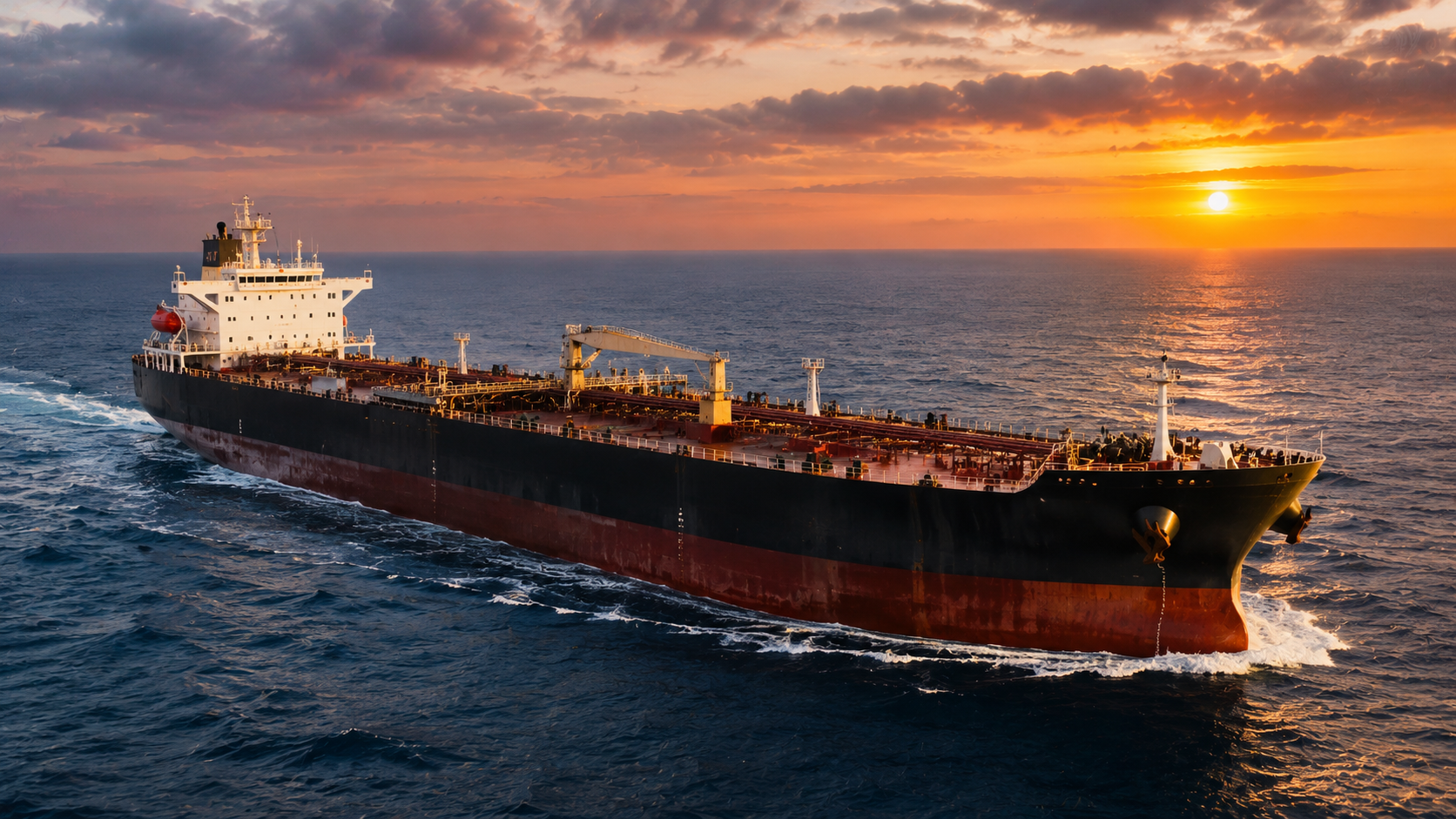
Two African-linked tankers are among vessels caught in uncertainty over a US-Russia diesel agreement, as shipments originally expected to reach American buyers face legal and political obstacles.
The agreement between US President Donald Trump and Russian President Vladimir Putin was intended to release more than 1.8 million tonnes of Russian diesel onto global markets.
However, several tankers have changed course, while no deliveries to the United States have been confirmed under the arrangement.
According to Business Insider Africa, which cited reporting from Al Jazeera and Reuters, at least four vessels have been affected.
African-linked tankers change routes
Two of the vessels have connections to African countries.
The tanker Leruo, registered under Sierra Leone’s flag, initially listed the US East Coast as its destination.
However, it later changed course towards Brazil.
Meanwhile, Beast, a sanctioned tanker owned by a Seychelles-based company, departed Russia’s Primorsk port in late October.
The vessel has been signalling the Atlantic as its destination, although its final port remains unconfirmed.
Two other vessels have also faced uncertainty.
The Russian tanker Talisman moved into the Mediterranean after initially indicating a US destination.
The Malta-flagged Agioi Fanendes changed its destination signal from New York to an unspecified port.
Importantly, the African connections do not mean the diesel originated in Africa.
Leruo’s link is through its Sierra Leone registration, while Beast is connected through corporate ownership in Seychelles.
Both shipments involve Russian fuel.
Trump-Putin diesel deal faces legal obstacles
Trump announced the diesel arrangement on October 9 following a telephone conversation with Putin.
He said more than 300,000 tonnes would be released initially, followed by another 500,000 tonnes in November.
A further one million tonnes was expected afterward.
The announcement came as American diesel prices rose amid disruptions to global energy supplies.
Business Insider Africa reported that average US diesel prices reached $6.27 per gallon, citing the American Automobile Association.
Meanwhile, attacks on Russian energy infrastructure have added pressure to global fuel supplies.
US import restrictions create uncertainty
The United States banned imports of Russian oil and petroleum products in 2022 following Russia’s invasion of Ukraine.
However, the US Treasury later introduced a temporary sanctions exemption covering certain Russian diesel transactions until April 7, 2027.
Despite that exemption, existing congressional import restrictions remain a legal obstacle.
As a result, companies face uncertainty over whether the shipments can enter the American market.
According to Al Jazeera, no Russian diesel had reached the United States under the new arrangement nearly a month after its announcement.
What the dispute means for Africa
Russia has traditionally exported diesel to several international markets, including African countries.
Reuters has previously identified Africa, Turkey and Brazil among destinations for Russian fuel exports.
Therefore, shipments diverted away from the United States could eventually reach other established markets.
However, there is no confirmation that the affected tankers will deliver their cargoes to African ports.
The situation also highlights Africa’s role in international shipping.
Countries such as Sierra Leone provide vessel registration services, while companies based in Seychelles participate in global maritime ownership.
For now, the tankers’ final destinations remain uncertain.
The dispute illustrates how sanctions, trade restrictions and geopolitical tensions can disrupt international fuel shipments, even after governments announce new supply agreements.