
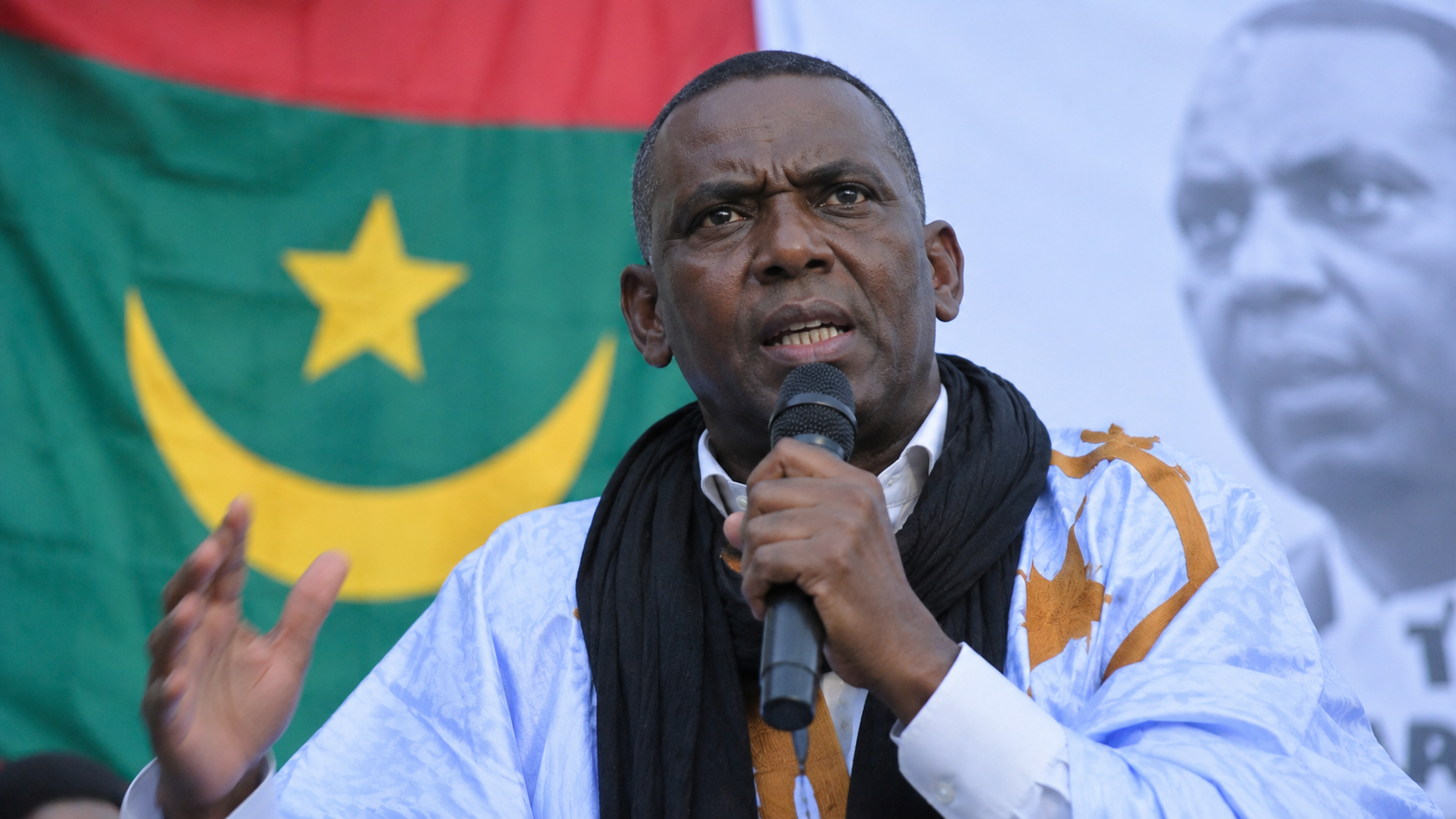
Prominent Mauritanian anti-slavery activist Biram Dah Abeid has resigned from parliament, accusing the government of widespread corruption and mismanagement.
The opposition politician announced his resignation on Monday, November 9, during a televised parliamentary session.
According to Africanews, Abeid said parliamentary debates had become ineffective. He also accused the government of failing to address corruption.
His resignation marks a significant development in Mauritania’s opposition politics.
Biram Dah Abeid accuses government of corruption
Abeid announced his decision during a parliamentary session attended by the prime minister.
He criticised the government’s performance and accused the administration of allowing corruption to spread.
The Mauritanian anti-slavery activist argued that parliament was no longer providing meaningful opportunities to challenge government policies.
He also questioned why, according to his assessment, nobody had been imprisoned on corruption charges despite what he described as widespread wrongdoing.
However, Abeid did not provide detailed evidence supporting his allegations during the session, Africanews reported.
He pledged to continue opposing the government through lawful political activities and public mobilisation.
Opposition leader challenges Mauritania’s president
Abeid is one of Mauritania’s most prominent opposition figures.
He has contested three presidential elections, including the 2024 vote against President Mohamed Ould Cheikh El Ghazouani.
In that election, Ghazouani secured approximately 56% of the vote, while Abeid received around 22%.
Despite his electoral defeats, Abeid has remained an influential political voice.
He was first elected to parliament in 2018 while imprisoned. He subsequently won another parliamentary seat in May 2023 through an opposition alliance.
His resignation now raises questions about how he will pursue his political activities outside parliament.
Anti-slavery campaign remains central to his work
Beyond politics, Biram Dah Abeid is widely recognised for his campaign against slavery and discrimination in Mauritania.
He leads the Initiative for the Resurgence of the Abolitionist Movement (IRA), an organisation campaigning against slavery and slavery-related practices.
Mauritania has enacted legislation prohibiting slavery. However, activists continue to raise concerns about the persistence of exploitative practices and their consequences.
The Mauritanian government maintains that slavery no longer exists in the country, although it acknowledges the continuing effects of historical slavery.
Abeid, who comes from a community historically affected by slavery, has repeatedly challenged this position.
What happens after Abeid’s resignation?
Abeid’s departure from parliament comes amid his continuing criticism of President Ghazouani’s administration.
Although he has surrendered his parliamentary position, he has made clear that he intends to remain politically active.
His next steps could influence opposition mobilisation and the national debate over corruption, governance and human rights.
For now, Abeid’s resignation highlights continuing tensions between Mauritania’s government and one of its most prominent critics.