
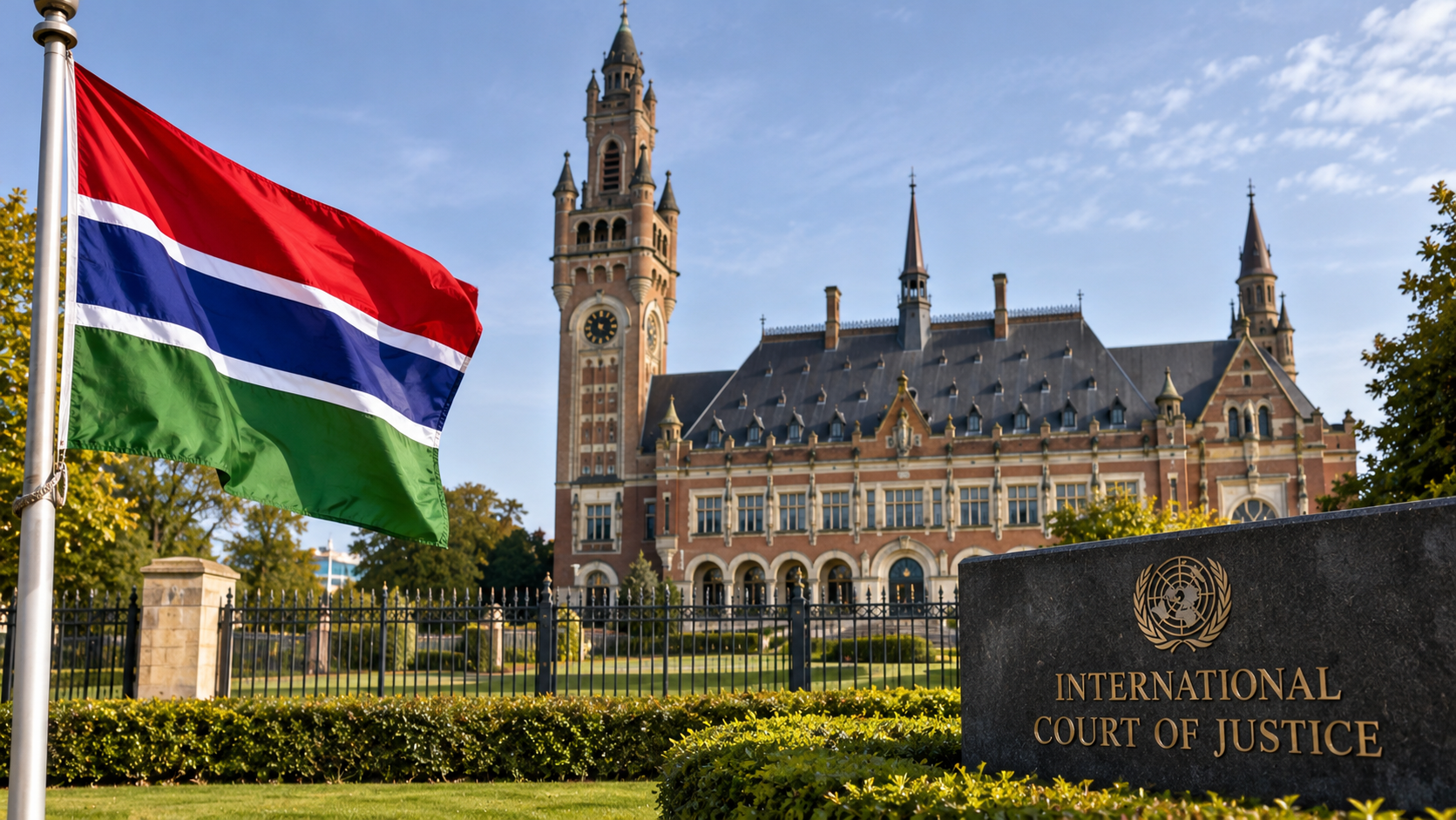
Governments, international organisations and human rights groups have welcomed a landmark ruling by the International Court of Justice (ICJ) finding Myanmar responsible for genocide against the Rohingya Muslim minority.
Thursday’s judgement marked the first time the court has held a state responsible for committing genocide, Reuters reported in an article published by Al Jazeera.
The ruling follows a case brought by The Gambia in 2019 with the support of the Organisation of Islamic Cooperation (OIC).
The court also ruled that Myanmar must compensate the Rohingya for violations it committed, with the terms to be determined later.
Gambia welcomes historic ICJ ruling
The Gambian government welcomed the judgement, describing it as a historic moment for international justice.
It emphasised that preventing and punishing genocide remains a shared responsibility among countries party to the 1948 Genocide Convention.
Furthermore, The Gambia urged Myanmar to comply fully with the court’s decision without delay.
The OIC also welcomed the judgement, highlighting its importance in securing justice for victims and combating impunity.
The ruling represents a significant achievement for The Gambia’s efforts to pursue accountability through international legal institutions.
Global leaders call for accountability
United Nations Secretary-General Antonio Guterres welcomed the judgement and urged Myanmar to comply with the court’s decision.
Meanwhile, UN human rights chief Volker Turk highlighted the severity of the crimes committed against the Rohingya.
Bangladesh also welcomed the ruling, expressing hope that it would help establish conditions for the safe, voluntary and dignified return of Rohingya refugees.
Britain announced the expulsion of Myanmar’s defence attache and called for an urgent UN Security Council meeting.
However, the United States said it was studying the judgement and its implications while stressing the importance of preventing the politicisation of the court.
Myanmar’s shadow National Unity Government also expressed respect for the ruling and reaffirmed its commitment to accountability.
Rohingya demand citizenship and safe return
Despite the legal breakthrough, the humanitarian crisis remains unresolved.
According to the UN refugee agency, more than 1.3 million Rohingya refugees remain displaced across the region, primarily in Bangladesh.
Additionally, more than 100,000 people remain internally displaced in Myanmar’s Rakhine State.
Rohingya activist Nay San Lwin stressed that justice requires the restoration of citizenship, recognition of Rohingya identity and a safe return to their homeland.
A coalition of 219 civil society organisations also called for reparations, citizenship rights and criminal accountability for Myanmar’s military leadership.
Amnesty International and Human Rights Watch welcomed the ruling as a long-awaited recognition of the suffering endured by the Rohingya.
While the judgement represents a historic legal milestone, its implementation remains crucial to securing lasting justice and protecting the rights of displaced Rohingya communities.