
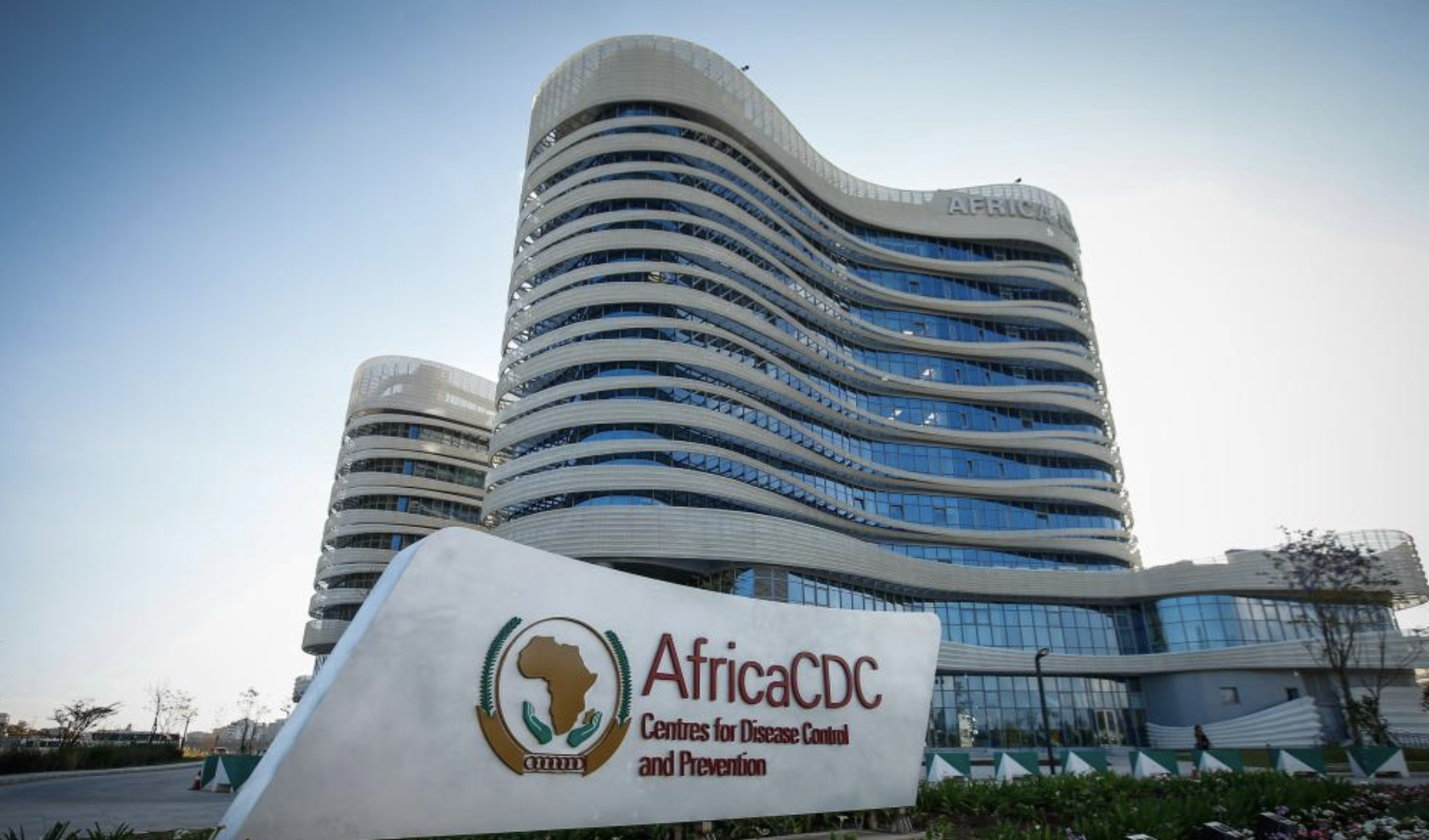
Africa’s public health guardians have lowered the emergency flag on mpox, marking a cautious milestone after a year of continental vigilance.
The Africa Centres for Disease Control and Prevention announced Thursday that the mpox outbreak no longer carries emergency status across the continent.
The decision followed guidance from the Africa CDC Emergency Consultative Group, which advises the agency’s leadership on outbreak risks and readiness.
Director General Jean Kaseya said the move reflects Africa’s growing capacity to confront complex health threats with unity and determination.
He praised political leadership, regional solidarity and international partnerships that helped steer the continent through the storm of rising infections.
Africa CDC first declared mpox a continental emergency in August 2024, after cases surged rapidly across multiple countries.
In 2024 alone, at least 80,276 suspected infections and 1,340 deaths were recorded, dwarfing figures from the previous year.
The emergency declaration unlocked more than one billion dollars, fuelling surveillance, laboratory expansion and the deployment of millions of vaccines.
Over five million doses reached sixteen countries, while genomic sequencing and community-based monitoring strengthened the continent’s defensive lines.
Africa CDC reports that suspected cases fell by forty percent, while confirmed infections dropped by sixty percent during 2025.
The fatality rate among suspected cases also plunged sharply, signalling improved detection, care and coordination across strained health systems.
The Democratic Republic of Congo bore the heaviest burden, accounting for ninety-six percent of cases and nearly all reported deaths.
Kaseya cautioned that the decision does not mark an end, but rather a shift toward long-term, country-led elimination efforts.
He warned that mpox remains endemic in several settings, requiring continued vigilance, targeted investment and innovation to prevent a dangerous resurgence.
For Africa, the moment carries quiet triumph and sober responsibility, as the continent steps from crisis response into sustained guardianship.