
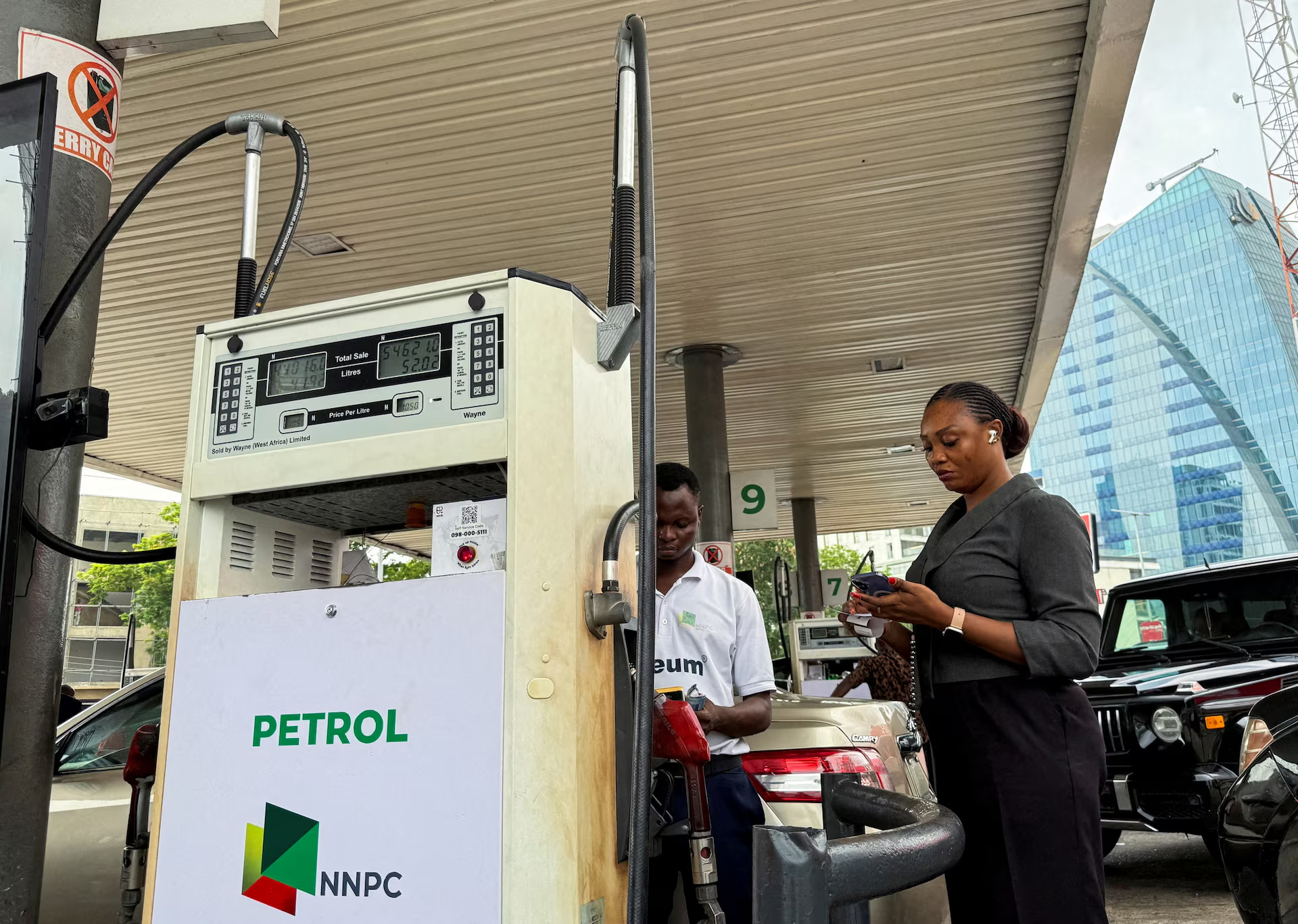
Fuel prices are rising sharply across several African countries as the ongoing Iran war drives global oil costs higher, raising concerns over inflation and economic strain in import-dependent economies.
Governments across the continent have begun adjusting fuel pricing mechanisms, reviewing levies, and introducing mitigation measures to cushion the impact on households.
Africa relies heavily on imported petroleum products, leaving many countries exposed to external shocks in global supply.
In Ghana, authorities raised mandatory fuel price floors for the first half of April, pushing petrol prices up about 15% and diesel nearly 19%. President John Mahama said the government is considering additional steps, including reducing fuel margins and reassessing a recently introduced petroleum levy. He also indicated that Ghana may pursue a supply deal with Nigeria’s Dangote refinery to secure more stable imports, as the country currently sources around 70% of its refined fuel from abroad.
Malawi recorded some of the steepest increases, with petrol prices rising 34% and diesel 35% following a regulatory review. The country’s energy authority cited sharp increases in global costs earlier this year and a shift to more frequent price adjustments.
In Tanzania, regulators set a new fuel price cap in the commercial capital Dar es Salaam, raising both petrol and diesel prices by roughly a third compared to March levels. Officials said supply remains sufficient despite the increases.
Mauritania also raised fuel prices, increasing petrol by over 15% and diesel by 10%. Authorities compared the situation to the 1973 oil crisis and announced plans to raise the minimum wage and provide cash support to low-income households to offset the impact.
Elsewhere, Gambia introduced price hikes of nearly 19% for petrol and over 12% for diesel, while Botswana and Mali have also implemented significant increases.
South Africa, one of the continent’s largest economies, has taken a different approach, temporarily reducing its fuel levy for April in an effort to limit price increases following pressure from labour unions and business groups.
Economists warn that sustained high fuel prices could worsen inflation and deepen economic vulnerabilities across Africa, particularly in countries already facing fragile economic conditions.