
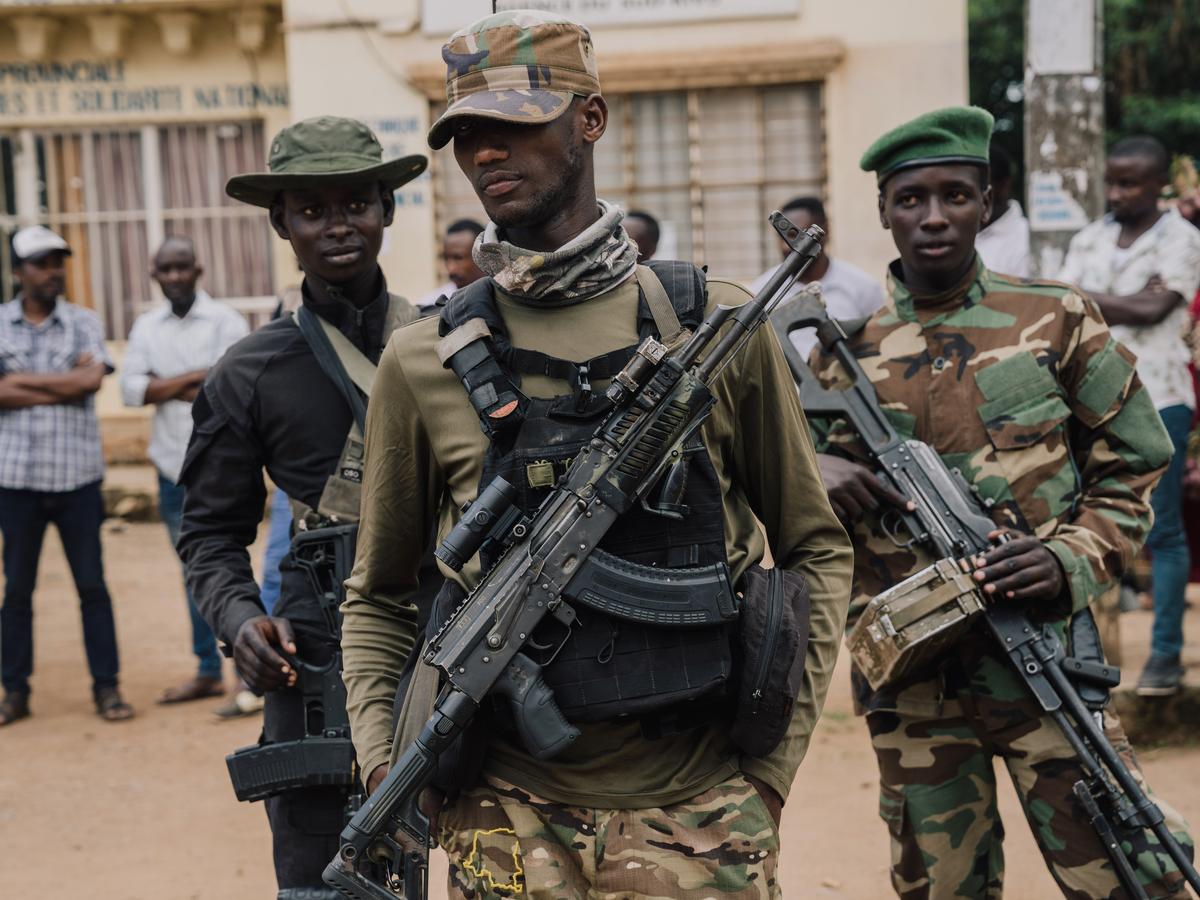
The Democratic Republic of Congo has accused Rwanda of killing more than 1,500 civilians in its eastern provinces since early December, following a renewed offensive by the Kigali-backed M23 militia.
The violence erupted despite a US-brokered peace deal signed on December 4. Congolese officials say the M23 launched its latest campaign just days later, dashing hopes for stability in the conflict-hit region.
In a statement, the government said bombs and kamikaze drones were used in attacks it blamed on Rwandan forces and their allies. It described the violence as an act of aggression and accused Rwanda of deploying three additional battalions to South Kivu.
Officials warned the troop movements suggest a push towards the strategic Kalemie corridor in mineral-rich Tanganyika province. Control of the route would give the M23 access to Congo’s mining heartland, a crucial source of state revenue.
On December 10, the M23 captured the city of Uvira, forcing tens of thousands of residents to flee into neighbouring Burundi. The takeover came just eight days after the group resumed fighting following a six-month pause.
Rwanda and the M23 deny responsibility for civilian deaths and reject allegations of direct military coordination. After US officials accused Kigali of breaching the peace deal, the M23 said it would withdraw from Uvira.
Both Washington and Kinshasa questioned that claim, as residents reported fighters and police still present in the city. “We are living and working with them,” a local security worker told AFP, requesting anonymity.
The Congolese army says it has since retaken several nearby settlements after clashes earlier this week. Uvira’s fall followed earlier M23 advances, including the capture of Goma and Bukavu nearly a year ago.
The United Nations says more than 80,000 people have fled to Burundi during the latest offensive, while at least 500,000 others have been displaced within South Kivu, worsening an already severe humanitarian crisis.
US Ambassador to the United Nations Mike Waltz condemned what he described as the scale and sophistication of Rwanda’s alleged involvement. UN experts say Rwanda uses the M23 to maintain influence over eastern Congo’s vast natural resources.
Rwanda denies backing the group, saying it faces security threats from armed factions linked to the 1994 genocide.
Tensions rose further after a Congolese general accused Rwanda of using Tutsi women in infiltration operations. He was later suspended, as the government sought to quell anger over his remarks.