
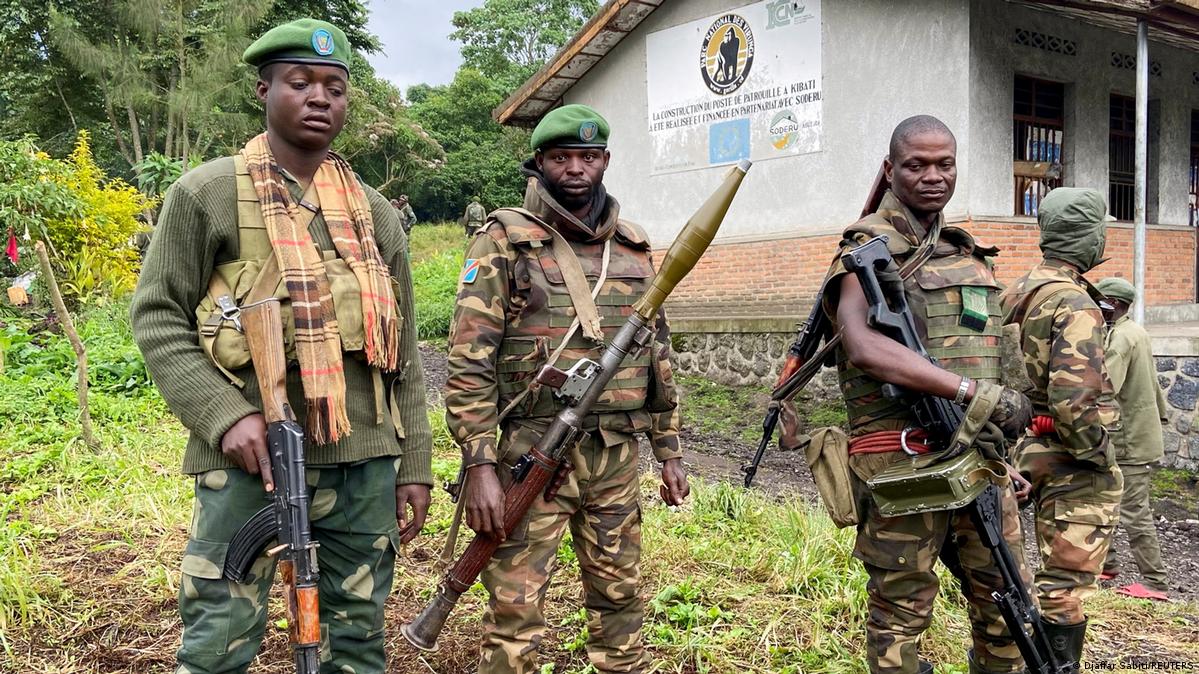
Rwanda-backed M23 rebels have pushed into the strategic eastern DRC town of Uvira, near the Burundian border, marking the most serious escalation in months of a conflict that has already devastated large parts of the region, sources told Reuters on Wednesday.
Uvira, which sits on the shores of Lake Tanganyika, has functioned as the seat of the Kinshasa-appointed administration in South Kivu and as the province’s main military hub since Bukavu fell to M23 in February. Its capture would give the rebels a direct route to press further into South Kivu.
The advance comes less than a week after Congolese President Félix Tshisekedi and Rwandan President Paul Kagame met US President Donald Trump in Washington, where they reaffirmed commitment to a US-brokered peace deal. Since then, Kinshasa and Kigali have traded accusations of violating the agreement.
Congo’s foreign minister has urged Washington to widen sanctions on Rwanda, saying this would help “restore the credibility” of US mediation. Rwanda, which denies backing M23, has in turn blamed Congolese forces and Burundi for the surge in violence. The fighting in Uvira shows that signing deals abroad “is not enough to ensure the safety of civilians in eastern drc”, said Lewis Mudge, Central Africa director at Human Rights Watch.
Control of uvira unclear
Around 200,000 people have fled in recent days and many civilians have been killed, according to the United Nations.
By Wednesday it was still uncertain whether M23 had full control of Uvira. “There’s still shooting,” said a resident who asked not to be named for safety reasons. The resident said M23 fighters were ordering people to stay indoors as they swept through the town for remaining pockets of resistance.
A Congolese government source told Reuters the military would not counter-attack in order to protect civilians. “The city of Uvira is now liberated,” said Lawrence Kanyuka, spokesperson for a coalition that includes M23, writing on X. But Burundi’s foreign minister, Edouard Bizimana, insisted Uvira “has not yet fallen”.
Regional tensions rising
M23 launched a rapid advance in January, taking more territory than ever before, including Goma and Bukavu, the region’s largest cities. Although the group later paused major offensives to participate in Qatar-led peace talks, it has continued tightening control in areas already seized.
Earlier this week, Reuters reported that M23 had taken Luvungi, a long-standing frontline town, and that heavy clashes were unfolding near Sange and Kiliba along the road leading to Uvira.
On Tuesday, the US and nine other members of the International Contact Group for the Great Lakes voiced “profound concern” over renewed hostilities and warned of the potential for wider regional destabilisation.
Congolese Foreign Minister Therese Kayikwamba Wagner told Reuters that Washington should escalate sanctions on Rwanda, targeting “individuals in the chain of command” and institutions, including the Rwandan military. “It is not enough to condemn, it is not enough to be concerned, Washington has to restore the credibility of its process through accountability,” she said.
Rwanda responds
Rwanda maintains that its troops in eastern DRC are present only for “defensive measures”, though both the US and the UN say evidence of its support for M23 is clear.
Rwandan Foreign Minister Olivier Nduhungirehe said more sanctions would not resolve the fighting, arguing that Kinshasa had failed to uphold previous peace deals and an airstrike moratorium that he said was agreed in Washington last month.
He added that Congolese forces had been attacking rebel positions and nearby communities for “weeks and months” before the latest escalation.
Rwanda’s foreign ministry also accused Burundi of aiding Congolese forces and claimed the Burundian army had deployed nearly 20,000 troops in South Kivu “in the service of the government of DRC”. Burundi did not immediately respond to the allegation.