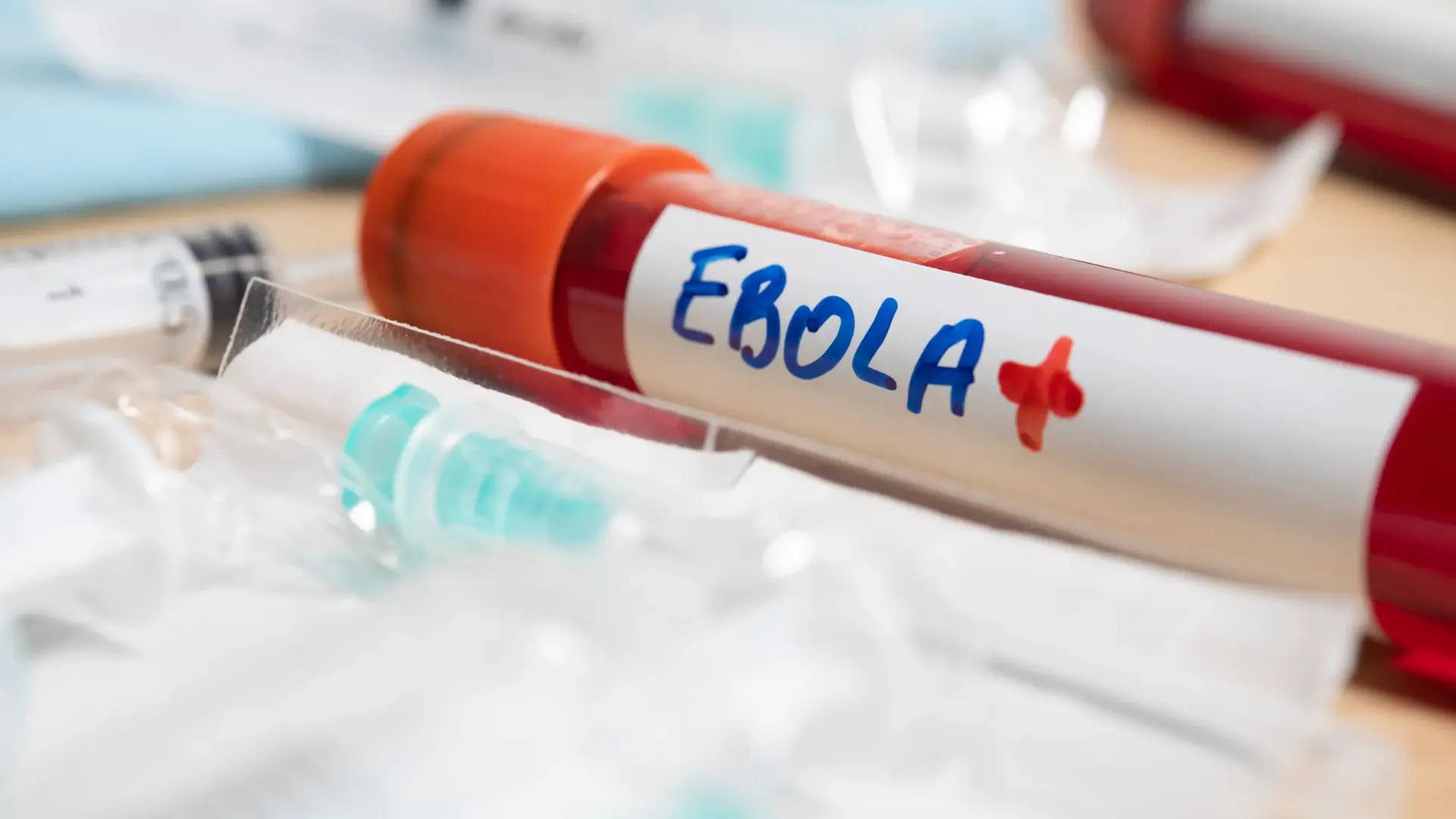
The Ebola outbreak in the Democratic Republic of the Congo (DR Congo) has claimed more than 6,000 lives, marking the country’s deadliest outbreak on record.
According to Al Jazeera and Reuters, government figures released on Saturday recorded 6,025 deaths and 12,254 confirmed infections across eight provinces.
The outbreak is also the second-deadliest globally, following the 2014–2016 epidemic in West Africa that killed more than 11,000 people.
DR Congo declared its 17th Ebola outbreak on May 15.
Conflict hampers Ebola containment efforts
Most infections have occurred in the eastern provinces of Ituri and North Kivu, where persistent armed conflict has complicated humanitarian and medical operations.
Nearly half of all confirmed infections have resulted in death.
Meanwhile, Reuters reported that the actual Ebola death toll could be considerably higher, citing its analysis of satellite imagery from two severely affected areas.
Medical organisations have also warned that insecurity is restricting access to affected communities.
Anna Halford, who coordinates the Ebola response for Doctors Without Borders (MSF) in DR Congo, previously told Al Jazeera that insecurity was hampering the delivery of medical supplies and detection of infections.
According to the Africa Centres for Disease Control and Prevention (Africa CDC), more than 60 percent of deaths recorded by early November occurred outside treatment centres.
Regional health concerns grow
Authorities have also reported Ebola infections in Uganda, Kenya and Nigeria.
Africa CDC Director-General Jean Kaseya has described the outbreak as the most geographically widespread in the continent’s history.
The Bundibugyo virus strain responsible for the outbreak currently has no approved vaccine or specific treatment.
However, researchers are developing several vaccine candidates to address the disease.
Ebola vaccine trials advance
Uganda announced on Friday that it had launched clinical trials of an experimental vaccine developed by US pharmaceutical company Moderna.
Meanwhile, another vaccine candidate developed by the University of Oxford and the Serum Institute of India is scheduled to enter clinical trials in DR Congo on Monday.
Gavi, the Vaccine Alliance, has committed to purchasing 1.5 million doses of the second vaccine candidate.
However, distribution will depend on successful clinical trials and regulatory approval.
As the Ebola death toll continues to rise, insecurity and limited healthcare access remain major obstacles to containing the outbreak.