
Around 700,000 people have been displaced by escalating violence in southern Ethiopia, according to the humanitarian organisation Islamic Relief.
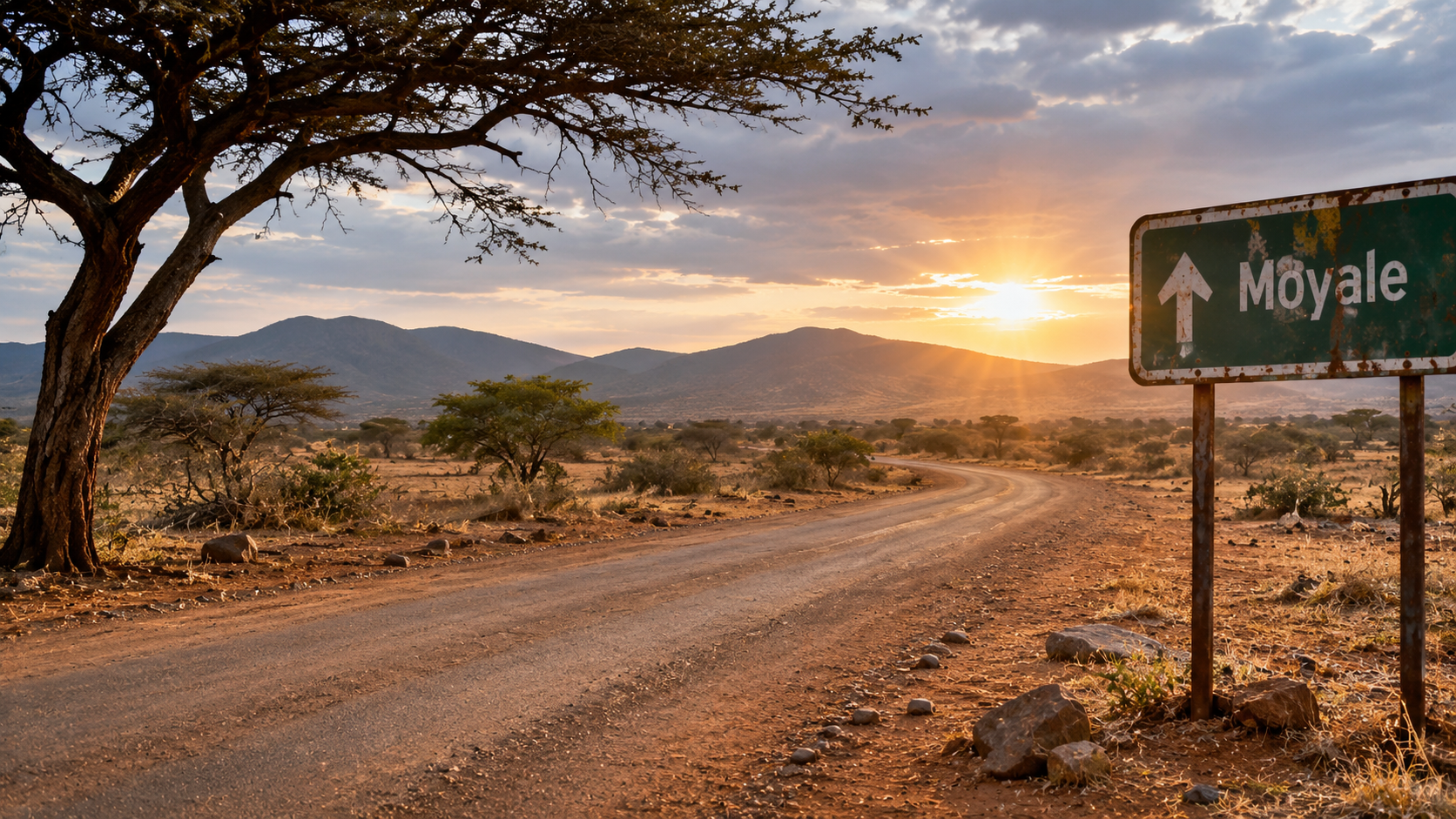
The fighting began in late October following a dispute over control of Moyale, a town on Ethiopia’s border with Kenya.
Clashes between members of the Oromo and Ethiopian Somali communities have since spread across a wider border region.
Africanews, citing international news agencies, reported that the violence has destroyed homes, disrupted essential services and forced thousands of families to flee.
Fighting spreads beyond Moyale
Islamic Relief said the conflict began with tensions over territorial control and access to resources.
The organisation reported that fighting involving heavy weapons has spread as far as 300 kilometres from Moyale.
Kedir Musema Hameza, head of Islamic Relief’s Ethiopia programme, described the violence as a volatile conflict involving competition over land and economic resources.
The clashes have affected communities near the borders of Ethiopia, Kenya and Somalia.
However, the reported displacement figures and full extent of the violence have not been independently verified.
Thousands flee into neighbouring Kenya
According to Islamic Relief, approximately 50,000 people have crossed into Kenya to escape the fighting.
The arrivals have placed additional pressure on local services and communities already facing humanitarian challenges.
Meanwhile, the organisation reported widespread damage to homes, businesses and petrol stations.
Health facilities, water supplies and sanitation services have also suffered disruptions.
These conditions have increased concerns about access to basic necessities for displaced families.
Furthermore, humanitarian organisations face difficulties reaching affected areas because of insecurity.
Islamic Relief warned that the situation could deteriorate without improved access to assistance.
Ethiopia faces multiple internal conflicts
The latest violence comes as Ethiopia continues to experience instability in several regions.
Disputes over administrative boundaries have repeatedly contributed to tensions between communities.
The country’s regional borders were established under its 1995 constitution, which introduced an ethnic federal system.
However, disagreements over territorial control and resources have continued in some border areas.
Elsewhere, renewed fighting recently broke out in the northern Tigray region between rebel forces and government troops.
Long-running insurgencies in Amhara and Oromia have also displaced large numbers of civilians.
These overlapping conflicts have placed significant pressure on Ethiopia’s humanitarian response.
Calls for humanitarian access and civilian protection
As of the Africanews report published on November 21, Prime Minister Abiy Ahmed’s government had not publicly commented on the latest violence in southern Ethiopia.
The absence of an official response leaves important questions about the government’s assessment of the fighting and measures to protect affected communities.
Meanwhile, humanitarian organisations continue to warn about the needs of displaced families.
Ensuring safe access for relief workers remains essential to delivering food, clean water, medical care and emergency shelter.
Protecting civilians and preventing further displacement will also require efforts to reduce tensions between affected communities.
A peaceful resolution to territorial disputes could help restore stability and allow displaced families to return home safely.