
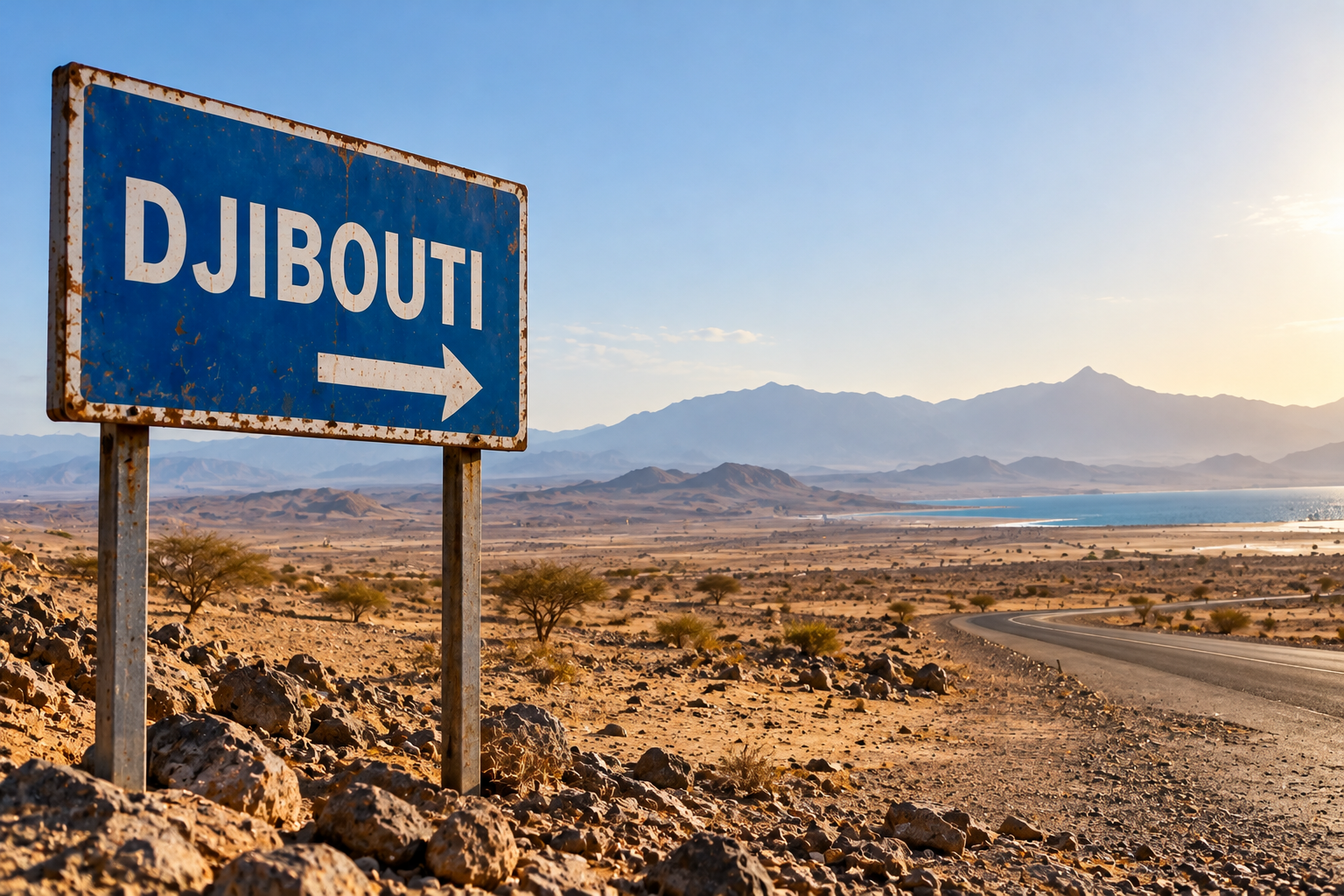
More than 20,000 Ethiopian migrants have crossed into Djibouti in less than three weeks, as humanitarian organisations warn of worsening conditions along the dangerous migration route to Yemen.
The International Organization for Migration (IOM) says thousands of people are struggling to access food, clean water and essential medical care.
More than 3,000 migrants are currently stranded in remote desert areas, where limited supplies and difficult conditions are putting vulnerable people at risk.
The growing number of Ethiopian migrants in Djibouti has increased pressure on humanitarian services already facing significant challenges.
More than 20,000 Ethiopian migrants enter Djibouti
According to Africanews, citing the Associated Press, the IOM reported that more than 20,000 Ethiopians had entered Djibouti since September 20.
Many are travelling along migration routes connecting the Horn of Africa to Yemen.
However, the journey exposes migrants to extreme heat, dehydration and shortages of basic necessities.
The IOM estimates that more than 3,000 people remain stranded in isolated desert locations.
These migrants face particularly difficult conditions because humanitarian organisations cannot easily reach them.
As a result, access to emergency assistance remains a major concern.
Food and water shortages threaten stranded migrants
Humanitarian agencies are working to provide emergency support to Ethiopian migrants in Djibouti.
The IOM has been distributing food and water while providing essential medical assistance.
However, reaching migrants has become increasingly difficult.
Some travellers are using alternative routes through remote areas, making it harder for aid organisations to locate them.
Consequently, people travelling through these regions may remain without adequate supplies for extended periods.
The organisation has warned that existing resources may not be sufficient to meet growing humanitarian needs.
Djibouti faces pressure from migrants returning from Yemen
Djibouti is not only receiving Ethiopians travelling towards Yemen.
The country is also receiving migrants returning from Yemen, where ongoing conflict has created additional displacement and humanitarian challenges.
These movements are increasing demand for emergency assistance.
Djibouti occupies an important position along migration routes between the Horn of Africa and the Arabian Peninsula.
For many migrants, the country serves as a transit point during journeys towards Yemen.
However, conflict and insecurity can disrupt these journeys and leave people stranded.
The arrival of migrants travelling in both directions has placed additional pressure on Djibouti’s limited humanitarian resources.
IOM calls for urgent international funding
The International Organization for Migration has appealed for sustained international support to address the worsening situation.
The agency says additional funding is needed to maintain food distribution, water supplies and medical services.
Without sufficient resources, humanitarian assistance could become increasingly difficult to sustain.
The IOM has also raised concerns about reaching migrants travelling through less accessible areas.
Meanwhile, continuing conflict in Yemen is contributing to further population movements.
The situation highlights the risks facing people travelling between East Africa and the Arabian Peninsula.
For thousands of Ethiopian migrants in Djibouti, access to basic humanitarian assistance remains an urgent priority.