
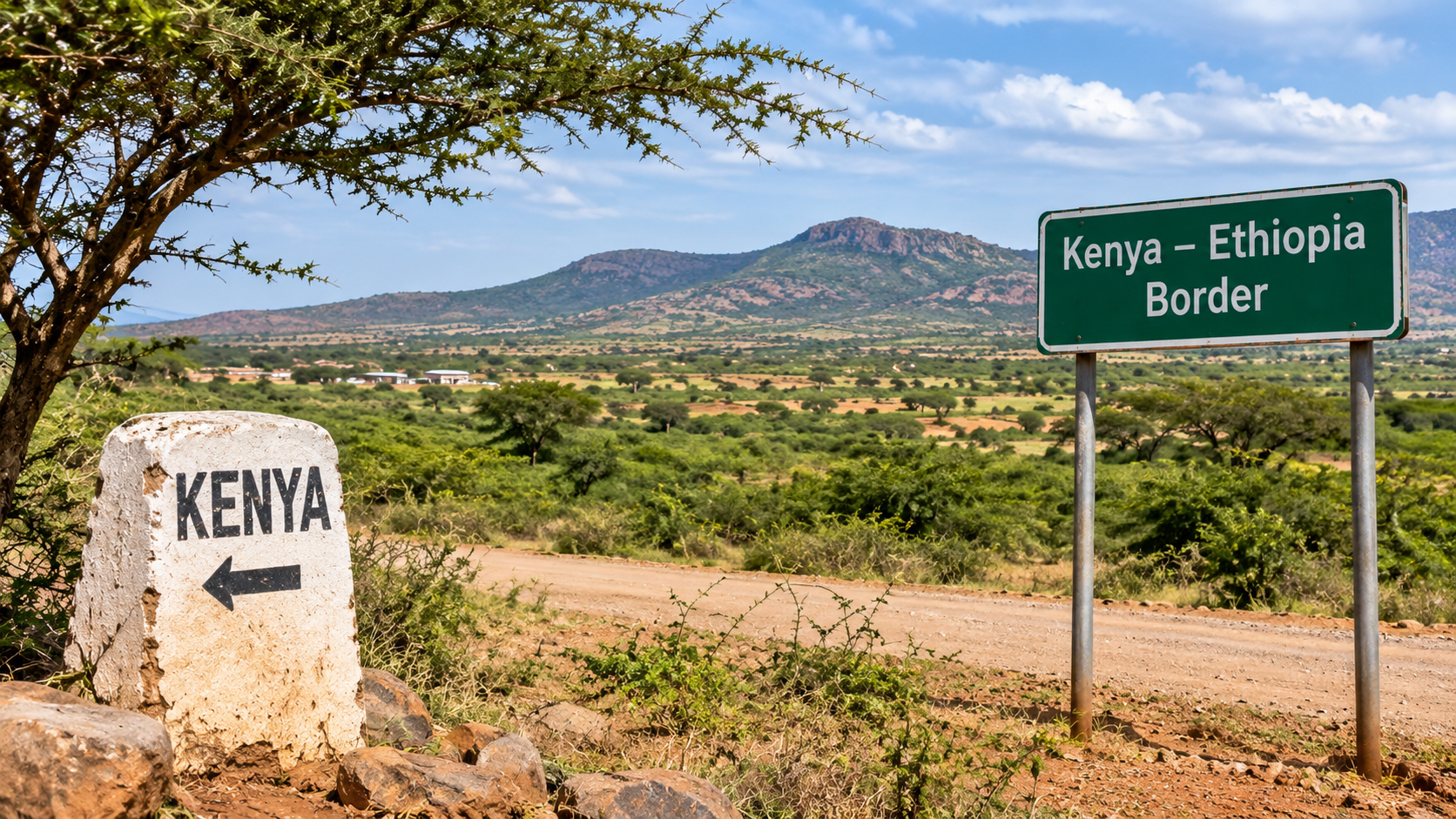
More than 50,000 Ethiopian refugees have crossed into neighbouring Kenya to escape fighting, placing growing pressure on humanitarian agencies struggling to provide essential assistance.
Aid organisations are facing mounting challenges in delivering food, medical care and shelter to people arriving in Kenya’s northern border region.
According to Al Jazeera correspondent Catherine Soi, reporting from Moyale on November 15, the influx has stretched humanitarian resources as thousands seek safety from the violence in Ethiopia.
Refugees seek safety across Kenyan border
The arrival of more than 50,000 Ethiopian refugees has created urgent humanitarian needs in communities near the border.
Families fleeing the fighting require access to basic services, including food, healthcare and temporary accommodation.
However, humanitarian agencies are struggling to meet these needs as the number of displaced people grows.
Moyale, a border town connecting Ethiopia and Kenya, has become a focal point for the humanitarian response.
The situation highlights the challenges facing border communities as they accommodate people escaping insecurity in neighbouring countries.
Aid agencies face mounting pressure
Humanitarian organisations are working to assist refugees, but shortages of essential resources are complicating relief efforts.
Food supplies, medical services and adequate shelter remain among the most pressing needs.
Meanwhile, the arrival of large numbers of displaced people has increased demand for humanitarian support.
Aid agencies must also address the immediate needs of vulnerable refugees while coordinating assistance in the affected border areas.
The difficulties underline the importance of sustained humanitarian access and adequate resources for emergency relief operations.
Humanitarian concerns grow
The refugee influx reflects the wider humanitarian consequences of fighting in Ethiopia.
For those crossing into Kenya, reaching safety is only the first challenge. Access to food, medical treatment and secure accommodation remains critical.
The situation also places additional demands on humanitarian organisations and the communities receiving refugees.
As displacement continues, aid agencies face the challenge of providing timely assistance to thousands of people who have fled their homes.
The latest developments underscore the urgent need to protect displaced civilians and ensure that humanitarian assistance reaches those most in need.