
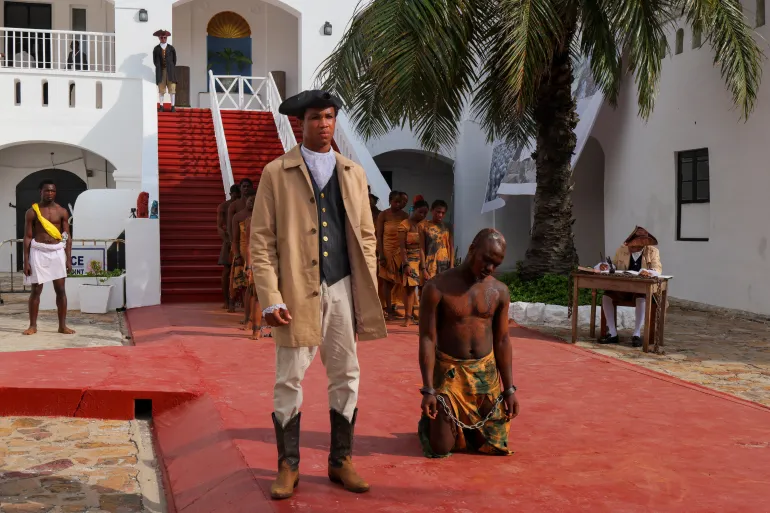
Descendants of enslaved Africans state that symbolic, verbal apologies cannot repair generations of profound historical trauma and injustice.
A landmark conference in Accra recently united international leaders to establish a comprehensive framework addressing global reparatory justice.
This global gathering followed a historic United Nations resolution that officially categorized the transatlantic slave trade as a grave crime.
The newly adopted nineteen-point plan demands formal apologies alongside critical mechanisms for debt relief and cultural artifact restitution.
However, many activists argue that empty words merely serve as a convenient public relations ploy to avoid structural penance.
The brutal commerce did not just steal millions of lives; it also completely fractured families and destabilized the African continent.
Trauma deeply echoes through time, leaving younger generations struggling with fractured cultural identities and highly sensitive ancestral histories.
Ghanaian President John Dramani Mahama announced three international bodies dedicated to pursuing genuine legal affairs and cultural restitution.
Ultimately, descendants maintain that true justice requires robust financial compensation rather than mere official statements of regret.