
Global wildlife populations monitored by conservation experts have declined by an average of 73 percent since 1970, according to a new report from the World Wide Fund for Nature (WWF).
The report, published on Thursday, highlights major losses across land, freshwater and marine ecosystems. However, it also points to successful conservation efforts that have helped some animal populations recover.
According to Africanews, the WWF’s latest Living Planet Report, titled Science of Hope, shows that wildlife recovery remains possible when governments and communities take action.
Global wildlife populations continue to decline
The WWF’s Living Planet Index tracked 35,803 wildlife populations covering 5,790 species over 52 years.
The study included mammals, birds, reptiles, amphibians and fish.
Freshwater wildlife populations experienced the steepest average decline at 85 percent.
Marine populations fell by 59 percent, while terrestrial populations declined by 69 percent.
These figures describe average changes in monitored wildlife populations. They do not mean that 73 percent of all individual wild animals have disappeared.
Habitat loss and degradation remain the most frequently reported threats.
Other major pressures include overexploitation, climate change, pollution, invasive species and disease.
Africa records 80% wildlife decline
The report found major regional differences in wildlife losses.
Latin America and the Caribbean recorded the steepest average decline at 95 percent.
Africa followed with an 80 percent decline in monitored wildlife populations.
Despite these losses, the WWF highlighted several successful conservation programmes across the continent.
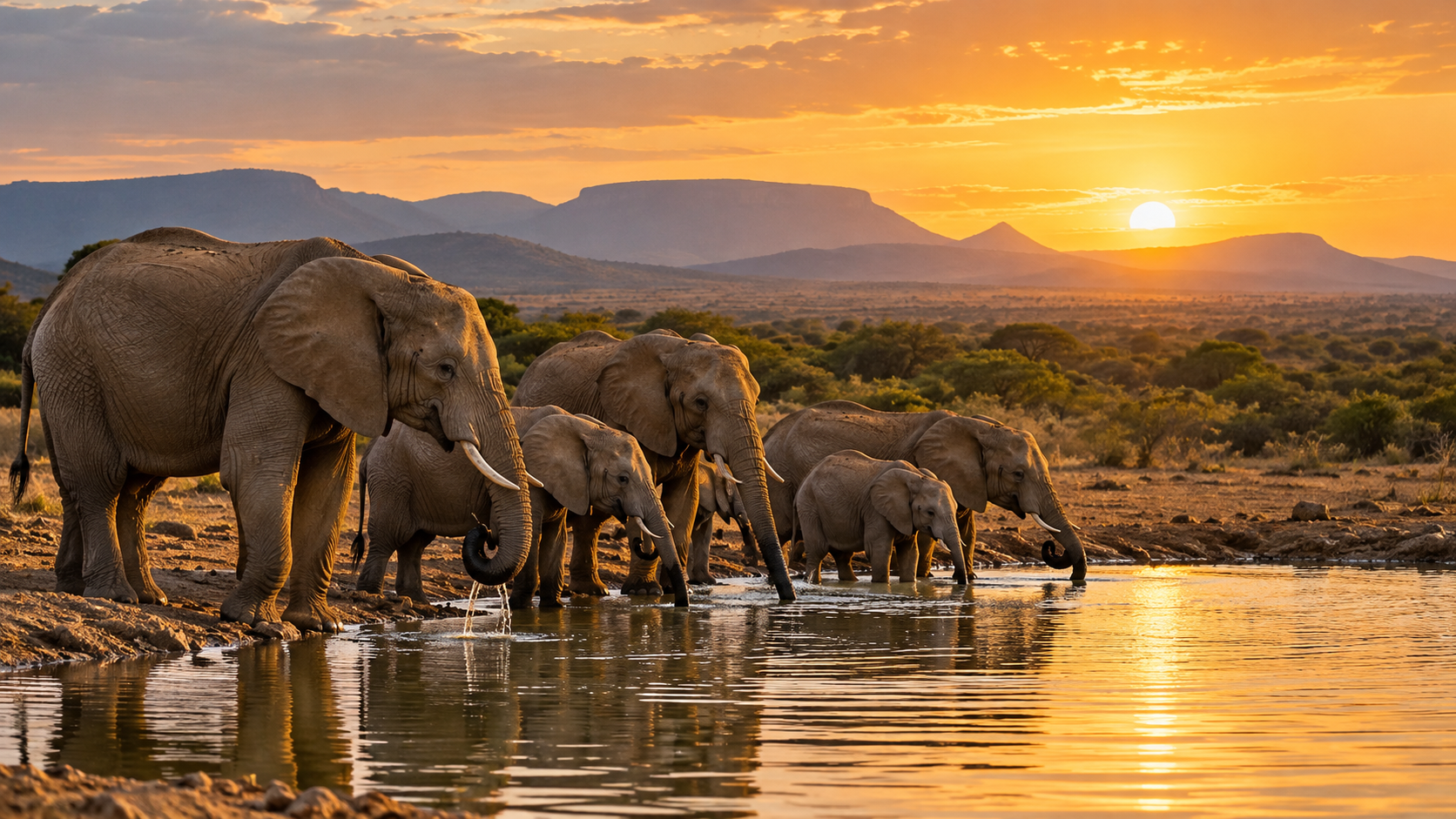
Targeted protection efforts have helped populations of black rhinos and southern African elephants recover in some areas.
Community-based conservation has also played an important role.
Several African countries have introduced legal frameworks that allow local communities to benefit directly from protecting elephants and managing natural resources.
These initiatives have received support from anti-trafficking operations, judicial reforms and efforts to reduce corruption.
Conservation efforts offer hope
The WWF says successful wildlife recovery projects demonstrate that biodiversity loss can be reversed.
Conservation programmes involving tigers, turtles, tuna and elephants have produced encouraging results.
Mike Barrett, WWF’s chief scientific adviser and the report’s lead author, said the findings show that recovery remains possible despite decades of environmental damage.
However, the organisation warned that these achievements remain fragile.
Successful programmes must expand more quickly to address the wider decline in global wildlife populations.
Nature loss threatens economies
The WWF also warned that declining biodiversity creates economic and social risks.
According to the report, around half of global gross domestic product depends on nature in some way.
Yet financial flows continue to favour activities that damage ecosystems.
In 2023, approximately $7.3 trillion went towards activities harmful to nature.
By comparison, only $220 billion supported activities that protect or restore natural environments.
The figures highlight a major gap between environmental protection efforts and economic activities that contribute to biodiversity loss.
WWF calls for wider action
The WWF says governments, businesses and communities must work together to protect wildlife.
It is calling for changes across energy, food production and financial systems.
The organisation also wants successful conservation programmes to expand beyond individual projects.
Although global wildlife populations continue to face serious threats, the report argues that recovery is still achievable.
Africa’s experiences with elephant and rhino conservation offer examples of how targeted action can help protect threatened species.
The WWF says the challenge is now to deliver these solutions on a much larger scale.