
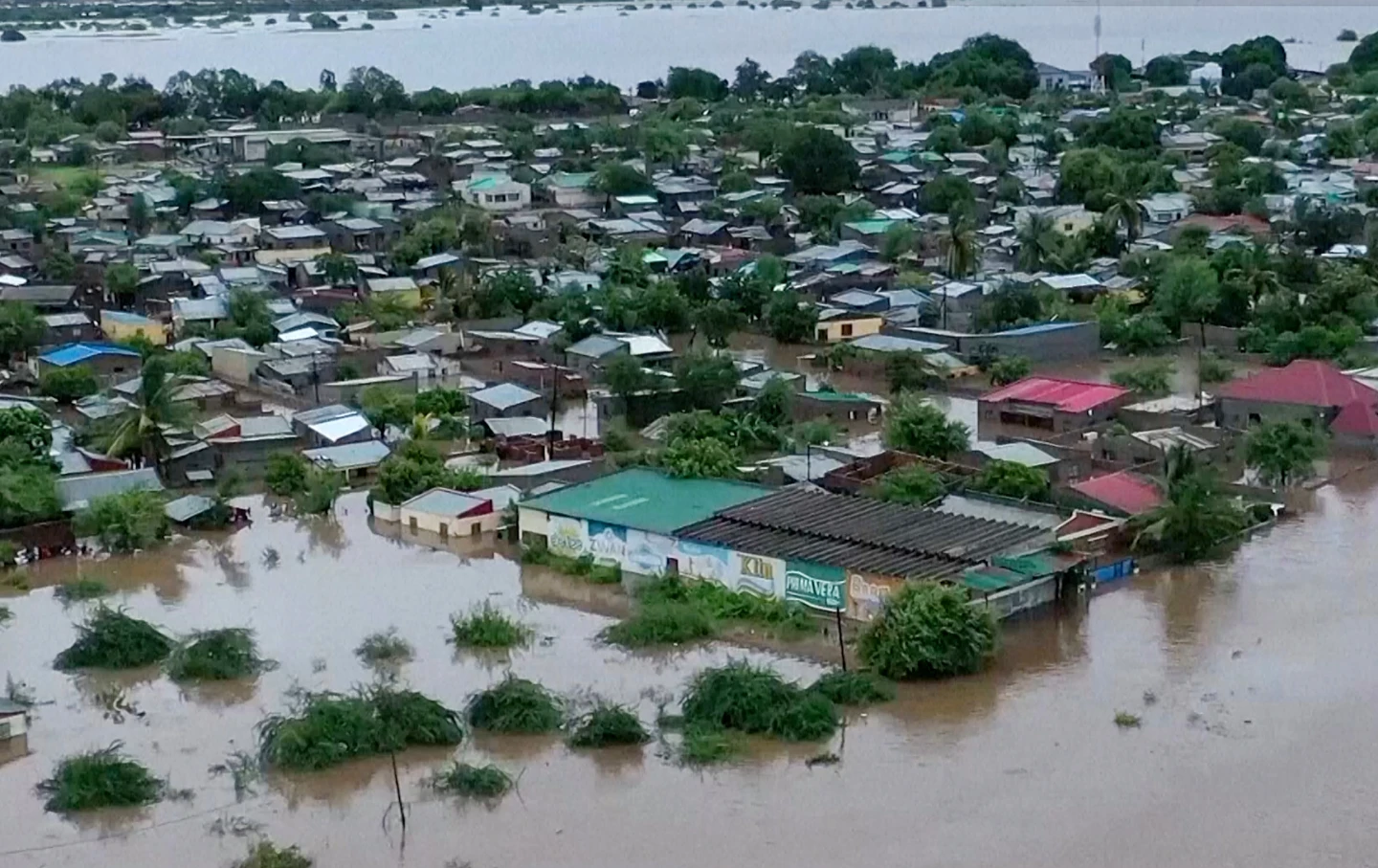
Severe flooding in Mozambique has sparked a rapidly escalating crisis, affecting over half a million people across the southern provinces, the United Nations reported. Heavy rains and storms have battered Mozambique and neighbouring South Africa for weeks, leaving at least 150 dead and countless communities submerged.
Paola Emerson, head of Mozambique operations at the UN humanitarian agency OCHA, warned the situation “remains fluid and dangerous” at a Geneva press conference. Floodwaters are rising as dams release water to prevent bursting, compounding the emergency and swelling the number of people in urgent need of aid.
Nearly 5,000 kilometres of roads across nine provinces have been damaged, including the main artery connecting the capital Maputo to other regions. This destruction is slowing relief efforts, making it difficult for aid agencies to reach communities hardest hit by the floods, Emerson said.
More than 50,000 people are sheltering in over 50 temporary accommodation centres as emergency teams work to provide food, water, and medical support. The UN agency called for additional funding, citing Mozambique’s ongoing vulnerability to conflict, drought, cyclones, and now, severe flooding.
Several rivers, including the Limpopo, have burst their banks, raising the threat of crocodiles entering submerged communities, particularly around Xai-Xai city. Emerson highlighted that urban areas now underwater face heightened risks from crocodiles, turning already dire conditions into a deadly hazard.
UNICEF described January’s exceptionally heavy rains as “triggering a rapidly escalating emergency” across vast swathes of southern Mozambique. The agency warned that flooding is destroying homes, schools, health centres, and roads while contaminating water supplies and spreading disease.
Disrupted food supplies and damaged health services threaten to push children into malnutrition, illness, and extreme vulnerability, UNICEF spokesman Guy Taylor said. Mozambique is entering its annual cyclone season, heightening the risk of a “double crisis” that could worsen the humanitarian disaster in coming weeks. Taylor stressed that the next days are critical in determining how many children survive, recover, and return to school in the affected regions.