
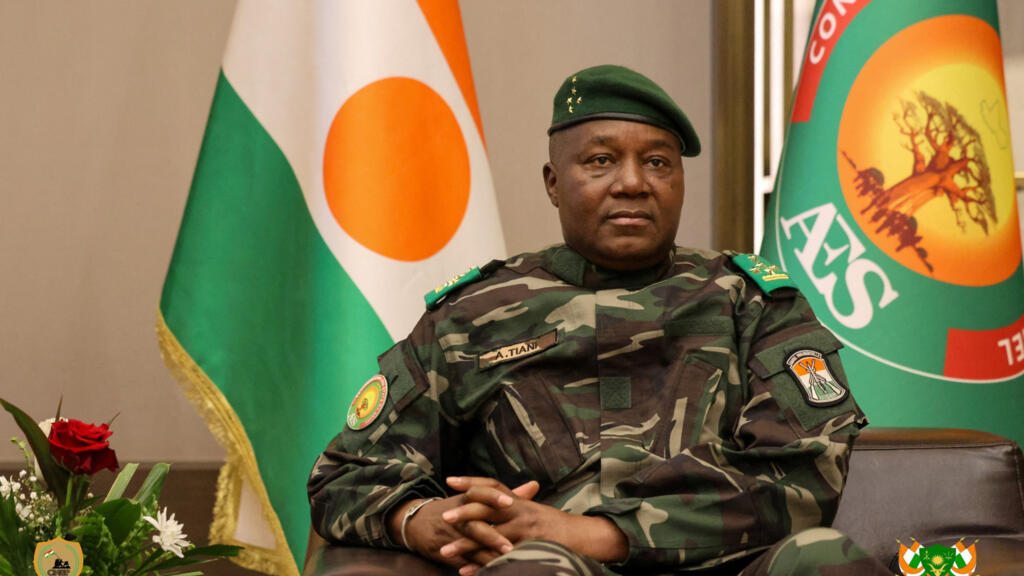
Three years after a military coup reshaped Niger’s political landscape, the West African nation remains locked in a stark paradox of surging economic fortunes and deep domestic turmoil.
Under the leadership of General Abdourahamane Tiani, the country is currently experiencing robust, oil-driven economic growth.
However, this facade of sudden prosperity masks a dark tide of jihadist violence rapidly consuming the central Sahel region.
Security incidents, fatalities, and daring attacks targeting the national armed forces have escalated dramatically across the country.
According to former ambassador Kiari Liman-Tinguiri, the western Tillabéri region has now deteriorated into the deadliest zone in the entire area.
Simultaneously, the military junta has methodically dismantled civic freedoms and dissolved all political parties.
The state has adopted an increasingly authoritarian stance, defined by arbitrary arrests, strict media censorship, and tight controls on non-governmental organizations.
Meanwhile, ousted President Mohamed Bazoum remains silently cut off from the world, with his ongoing detention now outlasting his actual time in office.
While new oil pipelines provide the regime with a vital economic lifeline, citizens are watching their hard-won freedoms vanish into the desert air.