
Families in Senegal are mourning the deaths of 39 people after a migrant boat capsized off the country’s Atlantic coast.
The tragedy has devastated communities in northeastern Senegal, where relatives are struggling to cope with the loss of loved ones.
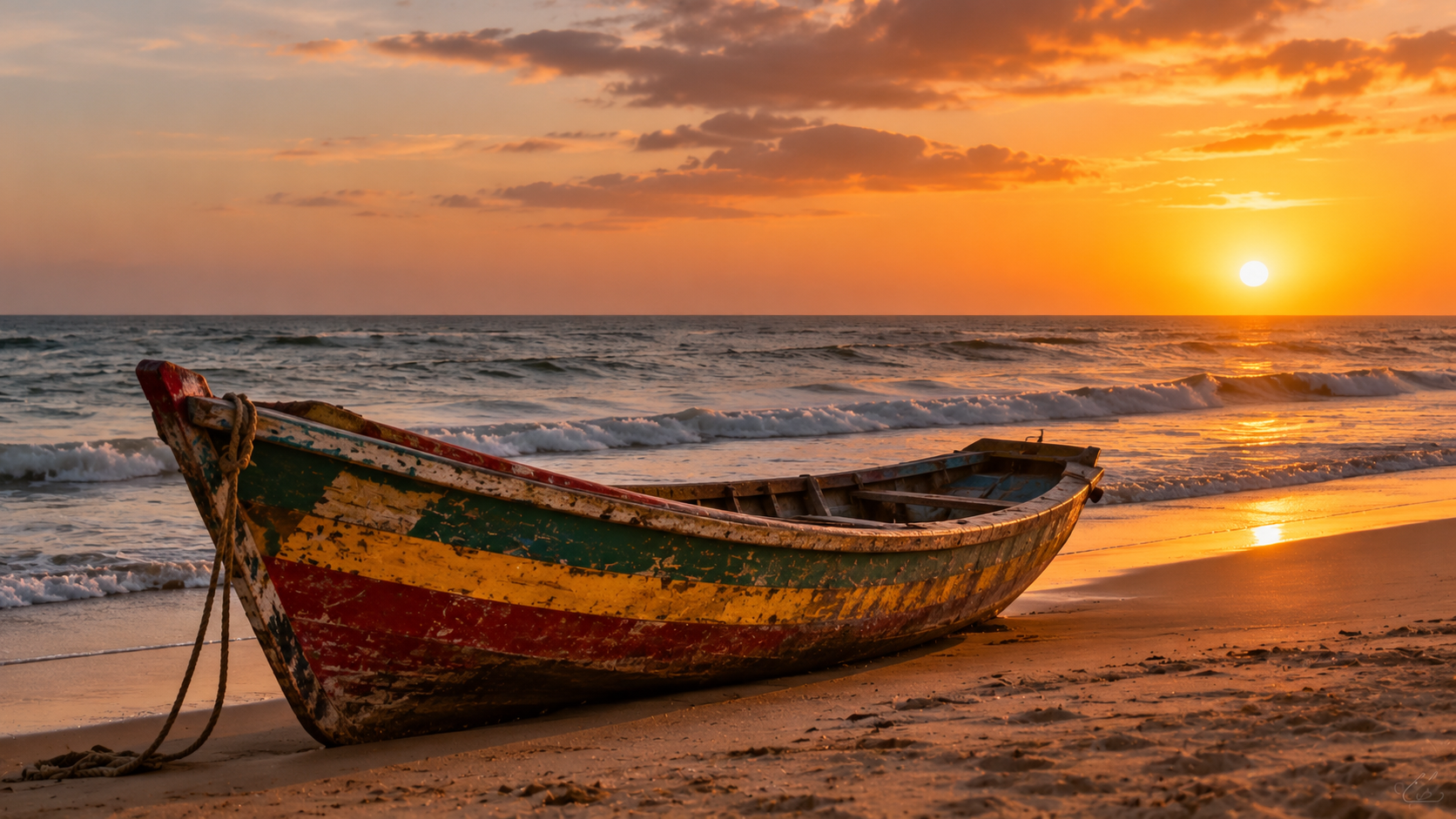
According to Africanews, the bodies of 39 victims were recovered from beaches near Lompoul after an overcrowded wooden boat, known as a pirogue, overturned.
The disaster has renewed concerns about dangerous migration routes connecting West Africa to Europe.
Senegal boat tragedy leaves families grieving
The migrant boat capsized on Friday, leaving dozens of families searching for answers.
Rescue and recovery efforts led to the discovery of 39 bodies along the coast near Lompoul.
Meanwhile, relatives gathered to mourn those who died.
For many households, the tragedy represents more than the loss of a loved one.
Some victims had helped provide financial support for their families, making their deaths particularly devastating for relatives who depended on them.
The disaster has also left communities confronting the uncertainty surrounding dangerous sea journeys.
Economic hardship drives dangerous migration
Many Senegalese migrants leave home hoping to find employment and improve their families’ living conditions.
For some, migration offers a potential escape from unemployment and economic hardship.
However, reaching Europe through irregular Atlantic crossings involves considerable risks.
Migrants sometimes travel aboard overcrowded wooden boats that are poorly equipped for long journeys.
These vessels can face rough seas, mechanical problems and limited access to emergency assistance.
Consequently, attempts to reach Europe can end in tragedy.
The latest Senegal boat sinking has once again highlighted the human consequences of these journeys.
Atlantic migration route remains dangerous
Senegal is one of several West African countries from which migrants attempt to reach Europe’s Canary Islands.
The Atlantic route has become a major concern for humanitarian organisations because of its dangerous conditions.
Travellers can spend days at sea, often with limited food, drinking water and safety equipment.
When boats encounter difficulties, rescue operations can be complicated by distance and changing weather conditions.
The latest disaster has renewed attention to the risks facing people who undertake these journeys.
Families face an uncertain future
Beyond the immediate grief, the Senegal boat tragedy has raised concerns about the long-term consequences for affected households.
Families who depended on relatives for financial support may now face additional economic difficulties.
At the same time, the circumstances that encourage young people to migrate remain a concern.
The disaster has brought renewed attention to the need for safer opportunities and greater awareness of the dangers associated with irregular migration.
For the grieving families, however, the immediate priority is mourning those who lost their lives.
The deaths of 39 people have left a lasting impact on communities already struggling with economic uncertainty and the risks of migration.