Author name: yasir

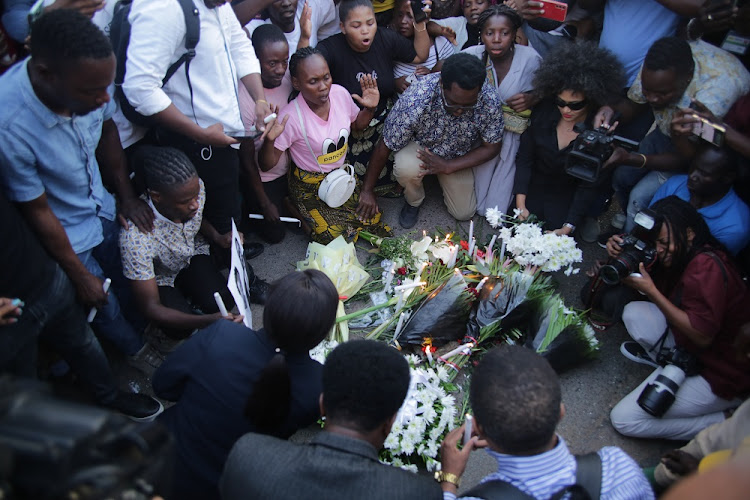
Tensions escalate in Mozambique after oppositions murdered

Mozambique is facing heightened tensions following the murder of two prominent opposition figures ahead of planned protests against the election results. Elvino Dias, a lawyer for the new opposition party Podemos and advisor to its presidential candidate Venancio Mondlane, was killed alongside party official Paulo Guambe. They were shot late Friday night by assailants pursuing their vehicle. Social media videos show a BMW SUV riddled with bullet holes, underscoring the violence of the attack. Their deaths come as the country awaits results from the contested October 9 election, set to be announced on October 24. Provisional results suggest a likely victory for Frelimo, which has ruled Mozambique since its independence in 1975. Western election observers have raised concerns about the election’s integrity, citing issues such as vote-buying and suppression of dissent. Opposition parties, including Podemos, have alleged fraud and called for a nationwide strike on Monday. With past instances of security forces opening fire on protesters, there are fears that the upcoming demonstrations could escalate into violence. The European Union and Portugal have condemned the killings of the Podemos officials and are calling for an investigation.

Tensions escalate in Mozambique after oppositions murdered Read More »

BRICS expansion as a win for African countries

Experts from the Global South view the recent expansion of the BRICS bloc as a positive development. “Any expansion means more voices for those who were unheard and left out of the integration process,” stated Aravind Yelery, a professor at India’s Jawaharlal Nehru University. This perspective emerged during a meeting of 40 think tanks organized by the International Department of the Communist Party of China Central Committee and the China Media Group. The gathering addressed the future of global development amid significant change and turmoil, ahead of the upcoming BRICS summit in Russia from October 22-24. Originally comprising Brazil, Russia, India, China, and South Africa, BRICS expanded earlier this year to include Saudi Arabia, Egypt, the United Arab Emirates, Iran, and Ethiopia. Many believe this expansion will amplify the voices of more countries on the international stage. With the Global South representing about 40% of global GDP and 85% of the world’s population, its influence in global affairs is growing. The expansion of BRICS is seen as a way to create more balance against the Western-dominated international order.

BRICS expansion as a win for African countries Read More »

Somalia strives to deepen security ties with Uganda, Burundi

 Somalia’s president wrapped up official visits to Uganda and Burundi as part of efforts to deepen security ties with the two nations, which have been among the main contributors of African Union peacekeeping forces to his country. Hassan Sheikh Mohamud, who arrived in the Ugandan capital Kampala on Saturday, met with his Ugandan counterpart Yoweri Museveni and discussed cooperation in security, trade and development initiatives as well as support for the Somali Security Forces and Support and Stabilization Mission in Somalia (AUSSOM). “The two heads of state exchanged views on the security situation in Somalia and the region and underscored the need to maintain peace, security and stability in the Horn of Africa and in the African continent as a whole. They commended the sacrifices made by the African Union Transition Mission in Somalia (ATMIS) and Somali Security Forces in pacifying the country and the fight against (the) Al-Shabaab (terrorist group),” a joint statement issued after their meeting said. Mohamud also traveled to Burundi and met with his counterpart Evariste Ndayishimiye. The two leaders agreed to intensify commercial and diplomatic relations, paving the way for a stronger partnership between their countries. They “addressed the vital role of Burundian forces in the peacekeeping mission in Somalia and explored ways to further strengthen their collaborative efforts to ensure regional stability,” said a statement by Somali Information Minister Daud Aweis.  Abdiasis Abdirahman, a political analyst based in the Somali capital, said Mohamud’s visit is likely meant as preparation for the next African Union mission, as the current peacekeeping mission’s mandate is due to expire in December. “This visit was long overdue because Somalia is facing serious security challenges and the government needed to ensure that there wouldn’t be a vacuum after the current mission ends,” he said. Uganda and Burundi are among the main countries that have contributed to the African Union Mission in Somalia (AMISOM) and ATMIS. Since 2007, Al-Shabaab has been fighting the Somali government and the mission forces in the country authorized by the African Union and mandated by the UN Security Council. The terror group has stepped up attacks since Mohamud declared an “all-out war” on the group.

Somalia strives to deepen security ties with Uganda, Burundi Read More »

Kenya’s impeached deputy president says his life is in danger

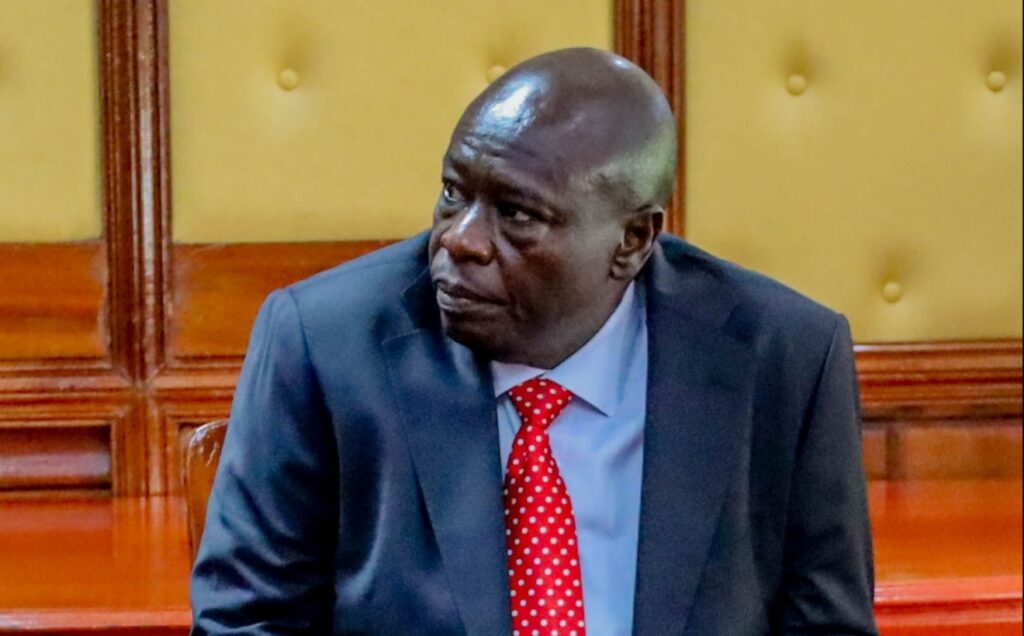
Lorem ipsum dolor sit amet, consectetur adipiscing elit, sed do eiusmod tempor incididunt ut labore et dolore magna aliqua. Ut enim ad minim veniam, quis nostrud exercitation ullamco laboris nisi ut aliquip ex ea  Kenya’s impeached deputy president, Rigathi Gachagua, said Sunday that his life is in immediate danger, accusing President William Ruto of orchestrating efforts to harm him. Gachagua, who is facing charges of corruption, abuse of office and inciting ethnic tensions, told reporters Sunday that assassination attempts had been made against him and his security detail had been suddenly withdrawn. In a statement following his impeachment, Gachagua expressed deep concern for his safety and that of his family. “I don’t feel safe…There have been two attempts to poison me,” he said, referencing incidents in Kisumu and Nyeri, where he said undercover agents tried to tamper with his food. He also said that security personnel assigned to protect him were disarmed and ordered to stay away, leaving him vulnerable. “Don’t kill us. Don’t kill my children,” he pleaded, calling for President Ruto to “leave me alone.” Gachagua is preparing for a legal battle to challenge his impeachment. Legal proceedings will begin soon and scrutinize whether due process was followed during the impeachment. Ruto has nominated Interior Minister Kithure Kindiki as his deputy. Despite lawmakers confirming Kithure Kindiki as Kenya’s new deputy president on Friday, the High Court in Nairobi has temporarily halted his appointment. The court issued the order in response to an urgent petition challenging Kindiki’s nomination by President Ruto, effectively freezing the process until a hearing scheduled for Thursday. The petition claims that the appointment process violated constitutional provisions.  All proceedings regarding Kindiki’s assuming office are on hold until the case is heard. consequat. Duis aute irure dolor in reprehenderit in voluptate velit esse cillum dolore eu fugiat nulla pariatur. Excepteur sint occaecat cupidatat non proident, sunt in culpa qui officia deserunt mollit anim id est laborum.

Kenya’s impeached deputy president says his life is in danger Read More »

Sudan’s water crisis deepens amid cholera threat

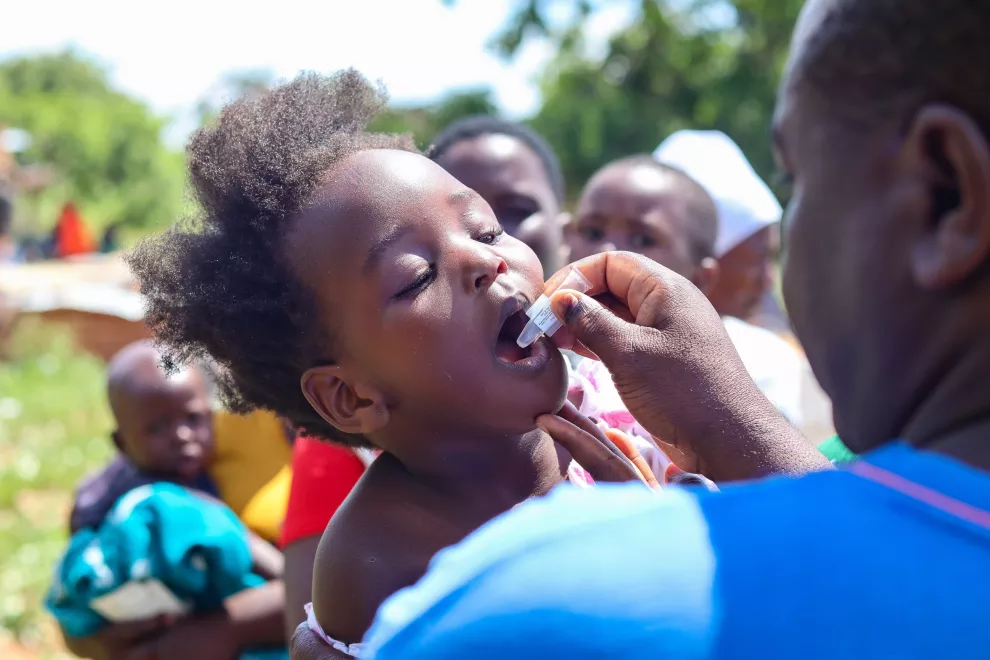
Khartoum, are facing a deepening water crisis alongside severe food shortages. Many now rely on fetching water from the Nile River using carts or purchasing untreated water, which has become increasingly scarce. “We’ve been without water for 17 days. The situation is unbearable. Now we have to buy water, but prices are skyrocketing—two barrels cost 1,000 Sudanese pounds (about $1.66),” says local resident Ahmed Musa. For context, the average annual income in Sudan is $2,379, or roughly $6.50 per day, according to UN statistics. The city’s vital water infrastructure, including a treatment plant on the Nile and several supply stations, has been severely damaged by ongoing fighting. A shortage of personnel and spare parts has further disrupted water networks across multiple districts, leaving tens of thousands of households without access to clean water. The reliance on untreated water has led to a rise in illnesses, including cholera, a waterborne bacterial disease. As winter approaches, the escalating health crisis and lack of basic necessities threaten to worsen the humanitarian situation in Sudan. Epidemic diseases such as cholera, malaria, measles, and dengue fever have emerged, resulting in hundreds of deaths. The health ministry has reported 25,037 cholera cases and 702 related fatalities. On Friday, UNICEF warned that 3.1 million people, including 500,000 children under five, are at risk of cholera in Sudan. In response, the Sudanese Ministry of Health announced that a vaccination campaign targeting more than 1.4 million people against cholera has begun in the eastern and northern regions of the country.

Sudan’s water crisis deepens amid cholera threat Read More »

Somalia strikes Al-Shabab, kills 30 militants

Somalia’s Information Ministry said Saturday the country’s military is targeting al-Shabab militants in the Galmudug region of central Somalia and is making progress in eroding the group’s operational effectiveness.  In a coordinated military operation, the Somali National Army, or SNA, supported by Galmudug State forces and pro-government local clan militias, killed 30 al-Shabab militants and injured dozens more, according to a government statement released Saturday.  “The Somali National Army killed 30 al-Shabab militants and injured 40 others after conducting an operation at the Qeycad location in the southern Mudug region for the past 48 hours,” the statement reads.  Somali authorities say the operation was conducted after the army received intelligence regarding al-Shabab militants’ maneuvers in the region.  The government says three of its soldiers were injured during the operation.  Witnesses in Qeycad, near Ba’adweyn town in the Mudug region, said an intense gunbattle between the two sides lasted several hours, inflicting substantial damage on the militants.  “The fight lasted for hours, and the terrorists were heavily damaged, and the Somali National Army took over the area, and the group’s strongholds in the area were also destroyed during the operation,” the government statement said.  During the engagement, several al-Shabab commanders surrendered to the SNA. Among those were two significant militant leaders, “Mohamed Bashir Muse and Madey Fodey,” according to the government report.  This military action follows an incident two days prior when a suicide bomber detonated an explosives-laden vest outside a crowded restaurant in Mogadishu, resulting in the deaths of at least seven people. The operation also occurred concurrently with President Hassan Sheikh Mohamud’s official visit to Kampala, Uganda, where he aimed to strengthen bilateral relations and enhance regional security cooperation with President Yoweri Kaguta Museveni.  “The president will discuss with his counterpart, President Yoweri Kaguta Museveni, focusing on strengthening bilateral relations between Somalia and Uganda, fostering enhanced regional security and stability cooperation,” a brief Somali National News Agency announcement stated.  As Somalia navigates ongoing diplomatic disagreements with Ethiopia — particularly regarding a maritime agreement signed with Somaliland, a breakaway region — its government has sought closer ties with Egypt and Eritrea, both of which have historical disputes with Ethiopia.  Earlier this month, leaders from Egypt, Somalia, and Eritrea convened in Asmara, reinforcing what analysts describe as an emerging “axis against Ethiopia.”

Somalia strikes Al-Shabab, kills 30 militants Read More »

Putin open to peace talks on Ukraine, rejects annexation concessions

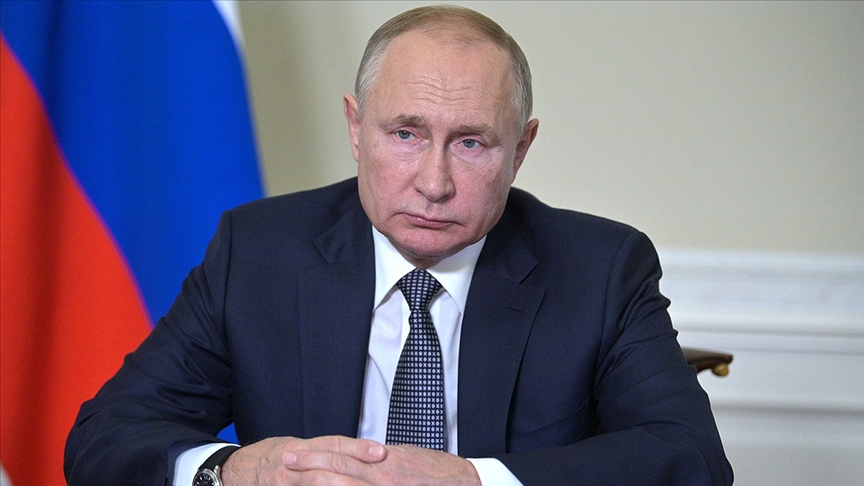
During a meeting with media representatives from BRICS nations, Russian President Vladimir Putin expressed Moscow’s readiness to engage in discussions to resolve the Ukraine conflict. Putin warned, “This is yet another provocation. In today’s world, creating nuclear weapons isn’t particularly difficult. I’m unsure if Ukraine currently has the capability to pursue this. While it may not be easy for Ukraine, the process itself is straightforward and dangerous. Any move in this direction will provoke a response.” Ukrainian President Volodymyr Zelensky has been accused of suggesting that Ukraine might seek nuclear weapons if it does not secure NATO membership. He conveyed to European Union leaders that Kyiv needs a strong deterrent against Russian aggression. Zelensky stated that Ukraine has no intention of developing nuclear arms or posing any nuclear threat, emphasizing the need for accurate information in the media. He reiterated his belief that Ukraine should be integrated into NATO, referencing the Budapest Memorandum, under which Ukraine gave up its nuclear arsenal in exchange for security assurances. Putin expressed approval of the peace proposals from China and Brazil, suggesting they could serve as a basis for peace. However, he firmly rejected any concessions regarding the status of the four Ukrainian regions annexed by Moscow in September 2022.

Putin open to peace talks on Ukraine, rejects annexation concessions Read More »

South Africa asks Taiwan to move embassy, signaling China’s influence

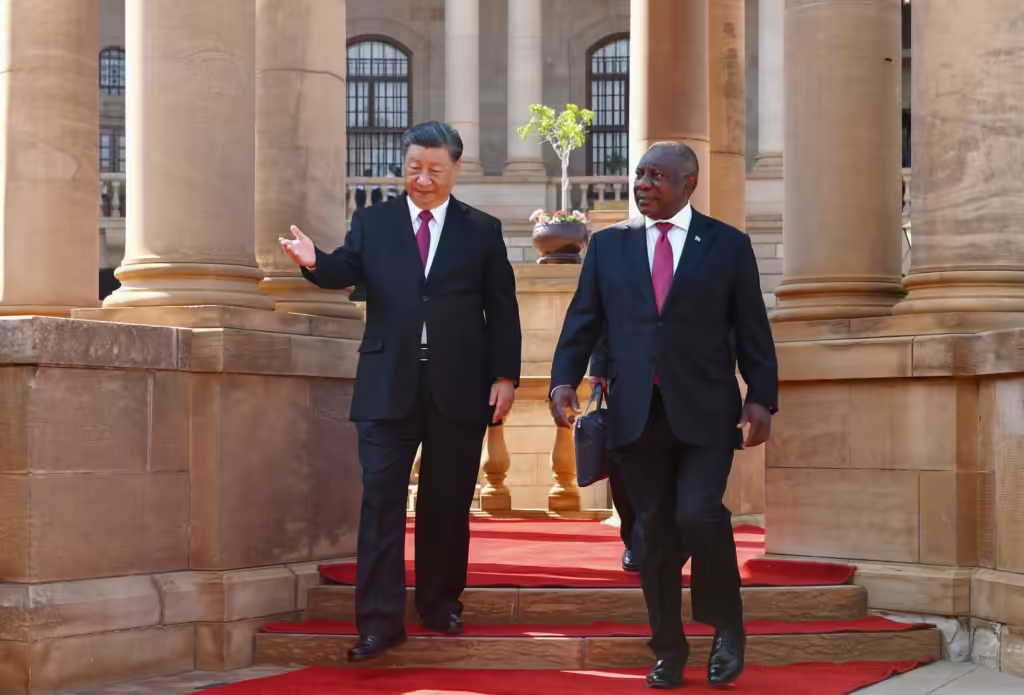
South Africa has requested that Taiwan relocate its de facto embassy from Pretoria to Johannesburg, giving Taipei six months to make the move. This decision underscores Beijing’s growing influence among developing nations. While Taipei accuses Pretoria of yielding to Chinese pressure, Beijing has welcomed the move. China’s Foreign Ministry spokesperson, Mao Ning, stated, “The One China principle is the foundation for China’s diplomatic relations. We appreciate South Africa’s decision to relocate the Taipei liaison office from Pretoria. Taiwan independence is unpopular and doomed to fail.” China established its embassy in South Africa in 1998, following Pretoria’s severance of formal ties with Taiwan, over which Beijing claims sovereignty. However, South Africa has continued to maintain unofficial relations with Taiwan. This development occurs amidst rising tensions between Beijing and Taipei. Taiwan recently celebrated its national day, rejecting China’s sovereignty claims, while China conducted military drills near Taiwan shortly thereafter. China is South Africa’s largest global trading partner, and both nations aim to enhance cooperation. They are also members of the BRICS bloc, which will hold its annual summit in Russia next week.

South Africa asks Taiwan to move embassy, signaling China’s influence Read More »

Somalia receives 3,000 tons of aid from Turkey

A Turkish ship carrying humanitarian aid for Somalia docked Saturday at the Mogadishu’s seaport. The Ship of Goodness, carrying 3,000 tons of aid, sailed Sept, 29 from Mersin in the southern province of Türkiye and was received by senior government officials, including Deputy Prime Minister Salah Jama alongside Disaster Management Commissioner Mahamuud Moallim at a ceremony at the port. Turkish Ambassador to Somalia Alper Aktas and representatives from humanitarian aid agencies from Türkiye were also present. “The assistance comprises a diverse range of food items, tents, and essential life necessities, amounting to a total of 3,000 tons. This support aims to significantly improve the living conditions of those in need,” the Somali Disaster Management Agency (SoDMA) said in a statement. “As always, Türkiye will continue to extend its helping hand to the brotherly Somali people. Toward a brighter future with the brotherly Somalian people,” the Turkish Embassy in Mogadishu said in a statement. Türkiye has delivered more than 60,000 tons of aid since 2016 to the East African country, which is prone to natural disasters, including droughts, famine, floods and cyclones. Türkiye, a longtime close ally of Somalia, has also invested in Somalia’s education, infrastructure and health sectors. It has its largest overseas military facility in Mogadishu to train the Somali National Army.

Somalia receives 3,000 tons of aid from Turkey Read More »

New insights into Dag Hammarskjöld’s unsolved plane crash

A significant mystery in the history of the United Nations remains unsolved: the 1961 plane crash that claimed the life of Secretary-General Dag Hammarskjöld and everyone on board as he sought to negotiate peace in the Congo. A new assessment released on Friday reveals that “specific and crucial” information is still being withheld by several Member States. Hammarskjöld, who became the youngest UN Secretary-General at the age of 47, was renowned as a visionary diplomat and reformer, playing a vital role in elevating the UN’s stature during a tumultuous period marked by decolonization in Africa and Asia. Deputy Spokesperson Farhan Haq noted that “the Secretary-General emphasizes that the Eminent Person is nearly certain that significant undisclosed information exists in the archives of Member States. With progress being made, the Secretary-General urges all parties to reaffirm their commitment to uncovering the complete truth about the events of that tragic night in 1961.” Hammarskjöld’s leadership was pivotal during the crisis of 1956, where he led a ceasefire mission in the Middle East and effectively managed the Suez Crisis, facilitating the withdrawal of foreign troops from Egypt and overseeing the UN’s first emergency peacekeeping operation, the UN Emergency Force. Celebrated for his integrity and dedication to public service, he received the Nobel Peace Prize for his efforts in transforming the UN into a dynamic and effective international organization that upheld the principles of the UN Charter. Hammarskjöld served as Secretary-General from April 1953 until his untimely death at age 56. On the night of September 17-18, 1961, the Douglas DC6 aircraft he was aboard, registered as SE-BDY, crashed near Ndola in Northern Rhodesia (now Zambia). He was en route to negotiate a ceasefire between UN peacekeepers and separatists in the Congolese region of Katanga, aiming to establish a broader peace agreement for the newly independent Congo. The crash on September 18 resulted in the immediate deaths of 15 other passengers, while the sole survivor succumbed to injuries days later. An initial inquiry by Rhodesian authorities attributed the crash to pilot error, a conclusion that has since been contested. Haq stated, “The Secretary-General has sent the report from the Eminent Person, former Chief Justice of Tanzania, Mr. Mohamed Chande Othman, to the President of the General Assembly… At this point, the Eminent Person believes it remains plausible that an external attack or threat contributed to the crash; other possibilities include sabotage or unintentional human error.”

New insights into Dag Hammarskjöld’s unsolved plane crash Read More »

Scroll to Top